
Lieferung heute & morgen

Qualitätsgarantie

Willkommens-Angebote freischalten: KOSTENLOSE Lieferung | Bis zu 80 % RABATT | Kostenlose 30-Tage-JoyPlus-Testphase
App herunterladen
Buying wine online offers a vast selection, but it can also be overwhelming. Faced with countless labels and marketing terms, making an informed decision is a challenge. Many buyers are drawn to appealing bottle designs or familiar brand names, which doesn't always lead to a satisfactory result. This guide highlights the crucial criteria that will help you make the right choice and avoid common pitfalls.
A frequent mistake is assuming that a high price automatically guarantees high quality. Another is choosing a wine based solely on an artfully designed label, which often says more about the marketing budget than the contents. Such decisions can lead to paying for a wine that suits neither your personal taste nor the intended occasion.
To make a suitable choice, it's helpful to focus on objective characteristics rather than subjective marketing messages. The following three parameters provide a solid foundation for your purchasing decision.
The designation of origin on a wine label is often a reliable indicator of quality. Seals like DOCG (Denominazione di Origine Controllata e Garantita) in Italy or DOCa (Denominación de Origen Calificada) in Spain are subject to strict government controls. These not only guarantee the origin of the grapes but also adherence to specific production methods, from the grape variety to the ageing period.
For example, a Barolo must come from the Nebbiolo grape and undergo a prescribed minimum ageing period. Similarly, a Rioja Reserva must age for a set time in oak barrels and in the bottle before it can be sold. These classifications offer a level of assurance that a mere brand name cannot always provide.
The grape variety is the decisive factor for a wine's character. Instead of relying on vague descriptions, the specified grape variety provides concrete clues about the expected flavour profile.
Product descriptions that list specific aromas (e.g., "notes of blackcurrant and cedarwood") are more useful than generic adjectives.
Your selection should also depend on the intended use. A full-bodied red wine that is ideal for a hearty winter stew is less suitable for a light summer lunch.
Here are a few recommendations tailored to specific profiles and needs, taking the above criteria into account.
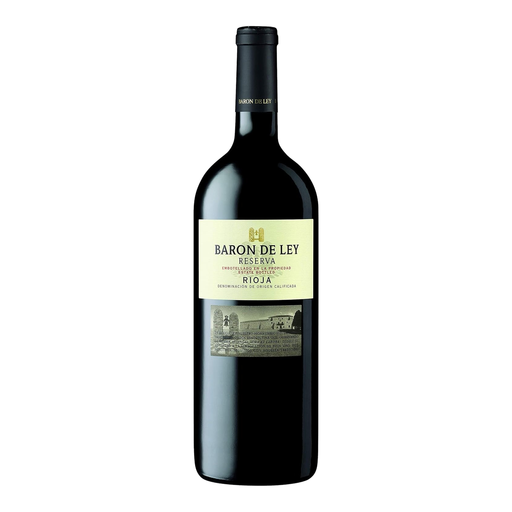
Why It's a Match: Ideal for enthusiasts of traditional, aged red wines who are looking for a reliable classic. This wine embodies the essence of the Rioja region and is perfect for a dinner with hearty dishes or for enjoying on its own.
Instead of relying on an obscure brand name, the classification as a Rioja Reserva DOCa provides a guarantee of origin, grape varieties (predominantly Tempranillo), and an ageing period of 20 months in oak barrels.
The extended ageing in both barrel and bottle ensures a harmonious profile with well-integrated tannins and a complex interplay of fruit and spice aromas.
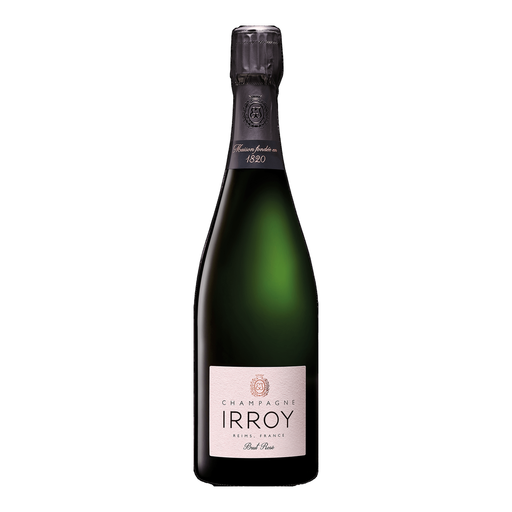
Why It's a Match: A Rosé Champagne is a visually appealing and elegant wine as a gift. It is suitable for a variety of festive occasions, from birthdays to anniversaries, and appeals to a wide range of palates.
Instead of being swayed by a trendy label, this choice is a product from the renowned house of Taittinger. Its origin in Champagne and clear composition (80% red grapes, 20% Chardonnay) are reliable quality markers.
The aroma profile combines red berry fruits with notes of brioche, creating a fresh yet complex taste experience. The fine perlage underscores its high quality.
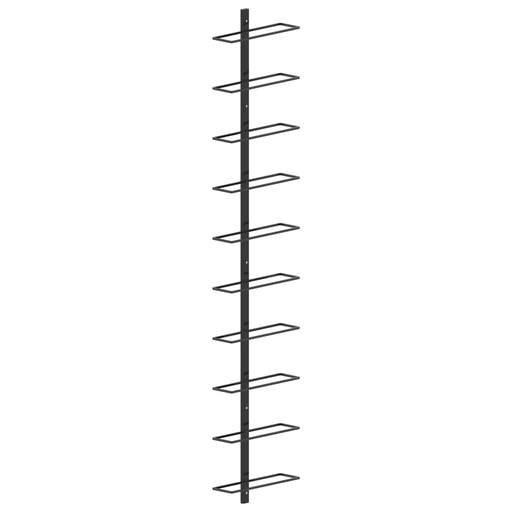
Why It's a Match: For wine lovers who want to not only store their collection but also display it in style. This wall-mounted wine rack is a functional wine accessory that saves space while serving as a modern decorative element.
Instead of choosing an impractical or unstable rack, this model features a sturdy, powder-coated metal construction. The clear dimensions and capacity for 10 standard bottles allow for precise planning.
The minimalist, space-saving design blends seamlessly into various interior styles. The included mounting hardware facilitates installation on a suitable wall structure.
We've compiled a complete, up-to-date list of products that meet these strict selection criteria and quality standards.
The ideal storage for most wines is a cool, dark place with a consistent temperature, preferably between 12 and 16°C (54-61°F). It's important to store bottles on their side so the cork remains moist and doesn't dry out. Drastic temperature fluctuations, light, and vibrations should be avoided. A simple wine rack in a cellar or a cool storage room is often sufficient.
These seals represent the highest quality tiers for wines from Italy (DOCG) and Spain (DOCa). They guarantee that the wine comes from a clearly defined geographical area and was produced according to strict, legally mandated rules. This includes regulations on permitted grape varieties, maximum yield per hectare, and minimum ageing time. They are a reliable sign of a wine with a controlled and guaranteed origin.
Yes, reputable online retailers use special, shock-proof shipping boxes certified for transporting bottles. This packaging protects the bottles from impact and ensures safe transit. When ordering, look for information about the packaging and the shipping carrier. This allows you to order even delicate sparkling wines like Champagne online with confidence.