
Lieferung heute & morgen

Qualitätsgarantie

Willkommens-Angebote freischalten: KOSTENLOSE Lieferung | Bis zu 80 % RABATT | Kostenlose 30-Tage-JoyPlus-Testphase
App herunterladen
Buying wine online gives you a wide choice from Germany, Italy, France, Portugal and Spain. At the same time, the sheer variety makes comparisons more difficult: terms such as “medium-sweet”, “fruity” or “traditional” reveal little about the actual taste on their own. What matters are clear details about sweetness level, grape variety, origin, alcohol content, bottle size and pack quantity.
This buying guide helps adult wine lovers avoid common purchasing mistakes and choose the right wine for an evening at home, a celebration, a barbecue or as a gift.
“Fruity” does not automatically mean “sweet”. A dry Riesling can have peach or citrus aromas without containing a high level of residual sugar. If you are looking for a dry wine, medium-dry wine or sweet wine, you should therefore pay attention to the official flavour description.
As a general guide for still wines:
Acidity also affects how sweet a wine tastes. A fresh Riesling can seem well balanced despite containing residual sweetness.
An apparently low unit price may refer to a single bottle, while a 6-bottle wine pack offers a different price per litre. Before buying, check:
A 6-pack of 0.75-litre bottles contains 4.5 litres. A 3-litre bag-in-box, on the other hand, is a single package with a tap and is better suited to longer evenings or larger groups.
An Italian Primitivo, a German Riesling and a French Merlot differ in more than just their country of origin. Climate, soil, ageing and harvest time all influence the style. There are also significant differences within individual countries: a Barolo from Piedmont is typically made from Nebbiolo, while Nero d’Avola is characteristic of Sicily.
You should therefore consider the combination of country, region, grape variety and flavour profile. A protected designation of origin such as DOC, DOCG or IGP can provide additional information about the wine’s regional classification, but it is not the only measure of personal taste.
The grape variety provides an initial point of reference, but it does not replace the complete product description. Riesling is often associated with fresh acidity and citrus or stone-fruit aromas. Depending on how it is made, Chardonnay can be light and fruit-forward or more full-bodied. Merlot is often described as soft and fruity, while Primitivo typically has a fuller style with dark-fruit aromas.
When choosing a Barolo, buyers should also bear in mind that details about ageing, decanting time and serving temperature suggest a different use from that of an uncomplicated everyday wine.
Unopened bottles should generally be stored in a cool, dry place away from direct sunlight. The recommended temperature depends on the wine:
The specific manufacturer’s instructions take priority. Wine usually contains sulphites or sulphur dioxide as an allergenic substance that must be declared. If you have a relevant sensitivity, check the ingredient and allergen information before buying.
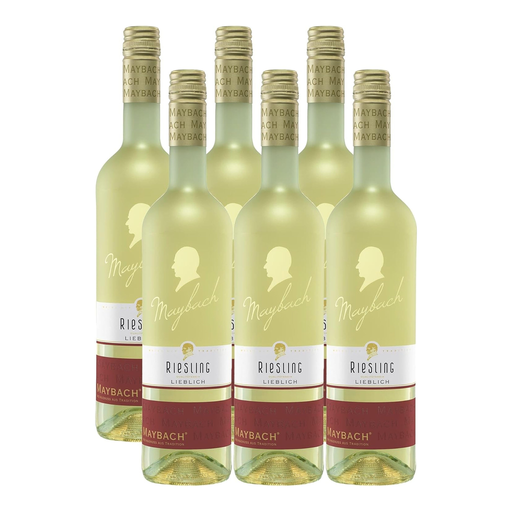
Why this product suits the profile: The German Riesling is offered in a 6-pack, with 0.75 litres per bottle. Its medium-sweet to sweet profile and stated alcohol content of 10 % vol. give beginners clear guidance.
The sweetness level, origin, number of bottles and serving temperature are stated in the product description. This makes it easier to compare the purchase with your preferred flavour profile.
6 bottles containing 4.5 litres in total; German origin from the Palatinate; recommended at 10–12 °C.
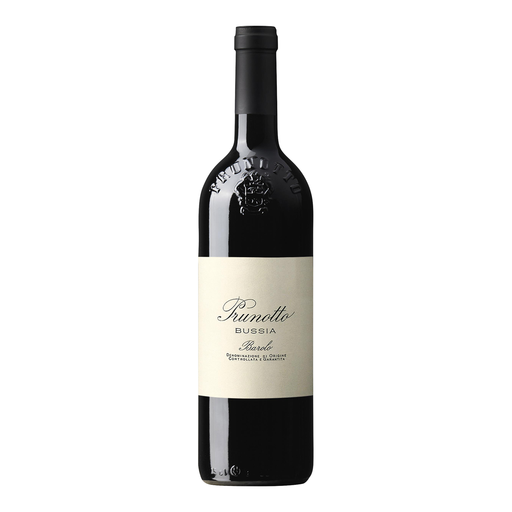
Why this product suits the profile: The Italian Barolo from Piedmont is described as a wine made from Nebbiolo grapes, with 18 months of barrel ageing. The single bottle is suited to a carefully planned occasion.
The DOCG designation, grape variety, alcohol content and decanting advice provide specific comparison data rather than general marketing claims.
0.75-litre bottle; 14 % vol.; natural cork; serving advice for opening and decanting.
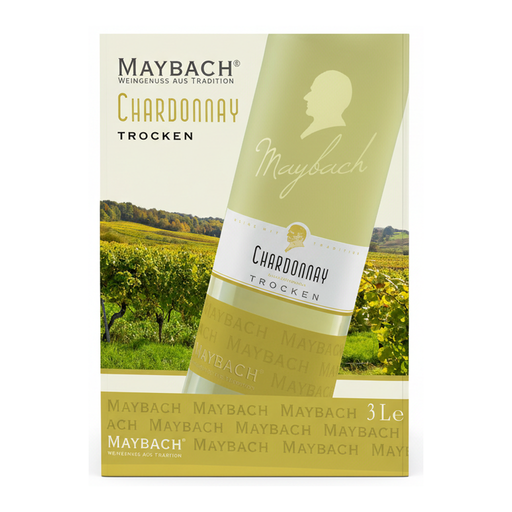
Why this product suits the profile: The 3-litre bag-in-box with tap is designed for picnics, parties and larger groups. The dry German Chardonnay is listed at 12 % vol. and has a recommended serving temperature of 10–12 °C.
The packaging format and total quantity are clearly stated. Buyers therefore will not mistake the 3 litres for a 6-pack and can plan more effectively for an event.
3 litres of wine; tap; dry Chardonnay; store in a cool, dry place.
We have put together a complete, regularly updated list of products that fully meet these strict selection criteria and the safety regulations applicable in the EU.
Anyone looking to buy red wine online can compare the French Grand Sud Merlot in a 6-pack with an Italian Doppio Passo Primitivo from Apulia. For a fruitier style, Rotwild Dornfelder is worth considering. When it comes to buying white wine online, the options include German Sauvignon Blanc, Pinot Blanc, Chardonnay and Riesling.
A Portuguese Casal Garcia Vinho Verde is described as medium-dry, light and containing 9.5 % vol. For an aperitif, the Aperol Aperitivo 0.7L + La Gioiosa Bianco Sparkling Wine 6x0.75L is designed as a combined aperitif set. The Osborne Medium Dry Sherry from Spain, on the other hand, contains 19 % vol. and therefore belongs to a different product category from classic table wine.
Beginners can use colour, sweetness level and occasion as a guide. A medium-dry white wine or fruity red wine is often easier to assess than a wine with strong tannins or extensive ageing. The product description should provide clear details about the grape variety, alcohol content and serving temperature.
This depends on the type of wine, closure and storage conditions. White and rosé wines should be resealed and chilled after opening. Many product descriptions recommend consuming them within two to four days. Red wine should also be kept sealed and protected from heat. The instructions on the relevant packaging are the deciding factor.
Delivery costs vary depending on the retailer, order value, pack size and delivery location. Before completing your purchase, check the total price including delivery and, for 6-packs, take the weight and delivery terms into account. Age verification and delivery to an adult recipient should also be considered.