
Lieferung heute & morgen

Qualitätsgarantie

Willkommens-Angebote freischalten: KOSTENLOSE Lieferung | Bis zu 80 % RABATT | Kostenlose 30-Tage-JoyPlus-Testphase
App herunterladen
A freezer provides additional storage space for frozen food, meat, fish, ready meals or ice cream. The choice ranges from a mini freezer for an apartment to a large chest freezer for storing supplies. However, eye-catching advertising claims do not automatically mean a product is right for you. The key factors are your space requirements, ease of use, energy consumption and intended installation location.
A large internal capacity may initially seem attractive. With a chest freezer, however, food is stored on top of other items and can be harder to reach depending on how full it is. An upright freezer with drawers requires more vertical space, but makes it easier to organise your food clearly.
So do not just check the capacity in litres. Also consider:
Energy efficiency classes for household appliances range from A to G. For running costs, the annual energy consumption in kWh is also relevant. Despite having a similar efficiency class, a larger appliance may use more electricity than a compact freezer.
For a rough estimate, multiply the stated annual consumption by your electricity price per kilowatt-hour. Actual costs depend on factors including room temperature, how full the freezer is, how often the door is opened and the temperature setting.
A noise level of 36 to 41 dB may be suitable for living areas or an office. However, how loud it seems depends on the room and the installation conditions. For a garage freezer, the climate class is also crucial. Unheated rooms can become considerably colder in winter than the ambient temperature specified for the appliance.
Pay attention to:
A freezer cabinet, also known as an upright freezer, is suitable for kitchens, storage rooms and smaller households where food needs to be easy to reach. Transparent drawers make organising your supplies easier.
A chest freezer generally makes efficient use of floor space and offers plenty of room for larger supplies. However, it needs unobstructed space above the lid and a practical basket layout. Models with a drain for defrost water make manual cleaning easier.
A fridge freezer combines a refrigerator and freezer compartment in one appliance. This saves space if you do not already have a fridge. Compared with a separate appliance, the freezer compartment is often smaller.
Usable capacity is specified in litres. Singles and couples can often manage with a compact appliance, while families or shoppers who plan ahead and store supplies need more space. Freezing performance in kilograms per 24 hours shows how much fresh food the appliance can freeze under the stated conditions.
A 4-star rating on freezers indicates that the appliance can store frozen food at correspondingly low temperatures. However, it does not replace checking the user manual, maximum load and recommended storage times.
A No Frost freezer circulates cold air in a way that, according to the product details, reduces ice build-up inside the appliance. This can reduce the need for manual defrosting. For appliances with manual defrosting, the process should be carried out when a thicker layer of ice forms, as ice can reduce usable space and efficiency.
Other useful features include:
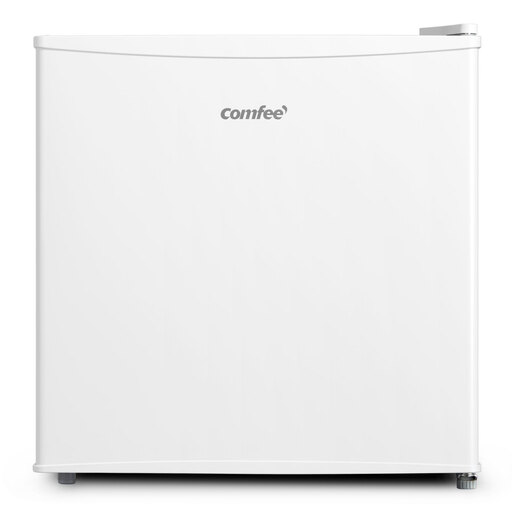
Why this product suits this profile: This compact appliance is suitable for singles, small flats, offices or as additional storage where floor space is limited.
Its compact size reduces the risk of paying for more floor space and internal capacity than you need. The reversible door makes it easier to adapt the appliance to your room.
31 l usable capacity, 4-star freezer rating, 41 dB noise level and adjustable feet according to the product details.
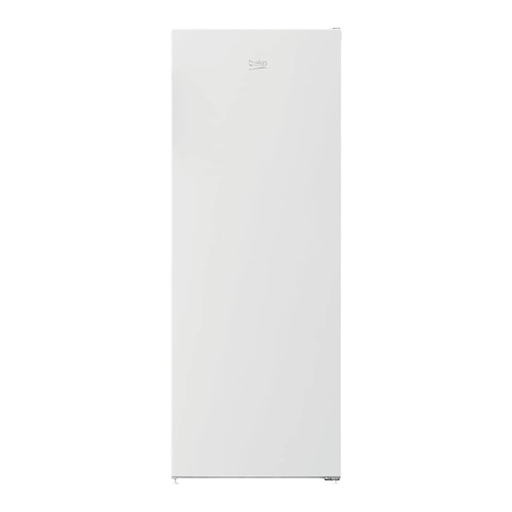
Why this product suits this profile: If organised storage and less defrosting are important to you, this upright appliance offers drawers, compartments and a No Frost system.
According to the product description, No Frost reduces ice build-up. The temperature alarm and Fast Freeze function meet additional needs when the load changes regularly.
177 l usable capacity, No Frost, 3 drawers, 2 compartments and a 40 dB noise level according to the product details.
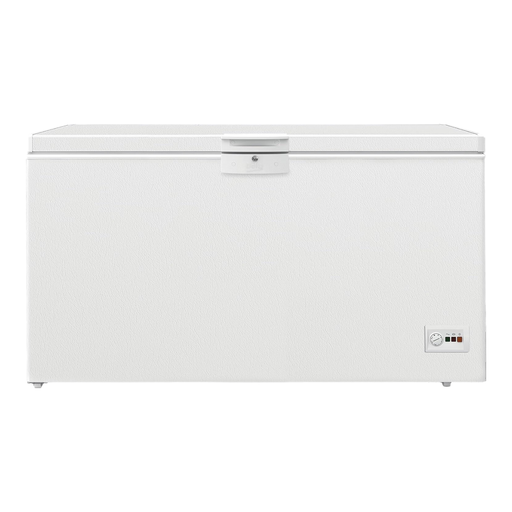
Why this product suits this profile: This large chest freezer is designed for households, small shops or cafés with substantial supplies and enough space to accommodate it.
Its large capacity is designed for bigger quantities. Three baskets, interior lighting and a temperature alarm help you maintain visibility and control despite the generous internal space.
451 l usable capacity, 20.5 kg freezing performance per 24 hours, 36 dB and operation according to the product details at ambient temperatures down to -15 °C.
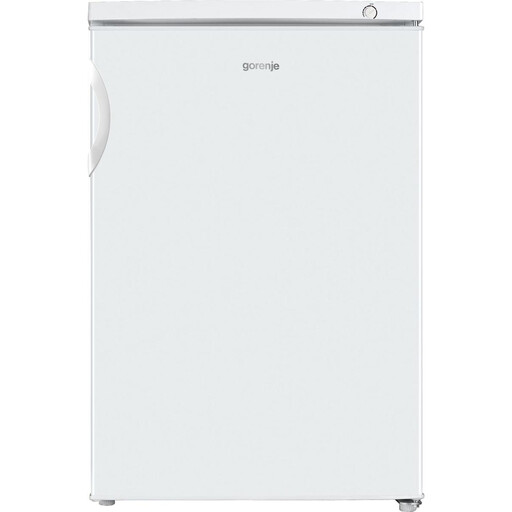
Why this product suits this profile: This slim upright freezer has three transparent drawers and is suitable for small families, flats or use as a second appliance.
The drawers make it easier to remove individual packs. EcoMode and the stated annual consumption make the appliance’s electricity requirements easier to estimate.
85 l, energy efficiency class D, annual consumption of 131 kWh, freezing performance of 4 kg per 24 hours and 15 hours’ storage time during a power cut according to the product details.
We have put together a complete, regularly updated list of products that fully meet these strict selection criteria and the safety regulations applicable in the EU.
Before connecting the appliance, leave it standing upright for several hours so that the refrigerant can settle after transportation. Place the freezer on a level, dry surface and observe the ventilation clearances specified by the manufacturer.
Further practical tips:
That depends on the size of your household, how often you shop and whether you plan to store supplies. For a small amount of additional storage, 31 to 85 litres is often enough. Families or users who freeze larger quantities generally need 140 litres or more. A chest freezer with several hundred litres of capacity is only worthwhile if you have enough floor space and need that much storage regularly.
According to the product details, the models in this selection range from approximately 36 to 41 dB. For living areas, a low-vibration installation on a level surface is just as important as the numerical rating. If your kitchen is open-plan or the freezer is near a bedroom, compare noise levels particularly carefully.
For a rough calculation, multiply the stated annual consumption in kWh by your current electricity price. This figure is a comparison value based on set conditions. Frequent door opening, high room temperatures, substantial ice build-up or overfilling can affect actual consumption.