
Lieferung heute & morgen

Qualitätsgarantie

Willkommens-Angebote freischalten: KOSTENLOSE Lieferung | Bis zu 80 % RABATT | Kostenlose 30-Tage-JoyPlus-Testphase
App herunterladen
Whether you prefer a robust East Frisian tea, aromatic Earl Grey or delicately floral Darjeeling, black tea varies considerably depending on its origin, blend, leaf grade and format. Simply choosing the most eye-catching packaging does not automatically guarantee the right taste experience. For everyday enjoyment, clear product information matters most, as does considering how you actually intend to use the tea.
The description strong black tea primarily refers to flavour intensity. It does not automatically say anything about the tea’s origin, leaf quality or organic status. Assam blends and East Frisian tea are often perceived as full-bodied and malty, while Darjeeling is better known for finer, floral notes. Before buying, it is therefore worth checking the ingredients list and variety description.
With Earl Grey tea, check whether bergamot oil, bergamot flavouring or a combination of the two is specified. A product with natural flavouring may taste different from a blend containing bergamot oil. The ingredients list provides more reliable information than general marketing claims on the front of the pack.
Loose black tea in 250-, 500- or 900-gram packs can be practical for frequent tea drinkers, but it needs to be stored in an airtight, dry place. For occasional cups, tea bags containing 20 to 50 portions are often easier to manage. A low price per gram only makes sense if the tea retains its flavour throughout the recommended storage period and is consumed regularly.
Loose black tea allows you to adjust the quantity flexibly and is particularly suitable for teapots or a tea strainer. Around one teaspoon is often used per cup, although the instructions on the individual packaging should be followed. A sufficiently large strainer helps the leaves unfurl properly.
Black tea in tea bags is pre-portioned and convenient. Follow the pack instructions for the amount of water and steeping time, as tea bags can vary in strength depending on their fill quantity and design. Double-chamber bags can make it easier for the water to come into contact with the tea leaves, but they are not in themselves proof of quality.
The product information usually recommends freshly boiled water for preparation. For many black teas, the steeping time is between three and five minutes, although individual products may have different recommendations. A shorter steeping time generally produces a lighter infusion, while a longer time creates a more intense flavour.
Black tea should be stored in a cool, dry place, protected from light and away from strong odours. Once opened, an airtight container is advisable. Tea easily absorbs surrounding aromas, so avoid storing it next to spices, coffee or strongly scented foods.
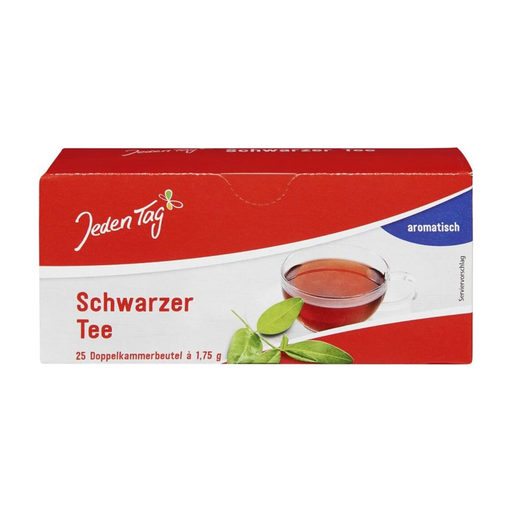
Why this product suits this profile: The pack contains 25 individual tea bags, making it a straightforward introduction to classic black tea for everyday enjoyment.
The ingredients list identifies black tea as the base, while the portion size and total quantity are clearly stated.
25 tea bags, each containing 1.75 g; prepare one bag with a steeping time of three to five minutes.
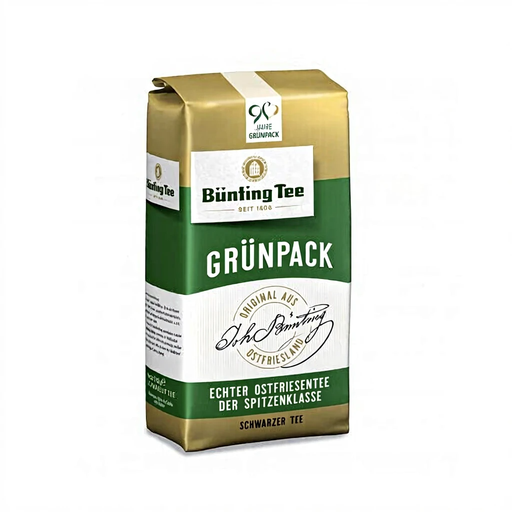
Why this product suits this profile: This loose Assam blend is aimed at tea drinkers who want to control the quantity and preparation themselves and prefer a malty East Frisian tea.
The ingredients are listed as 100% black tea, and the 500 g pack size is clearly stated.
Loose tea; recommended quantity of one teaspoon per cup; according to the product information, made in Germany.
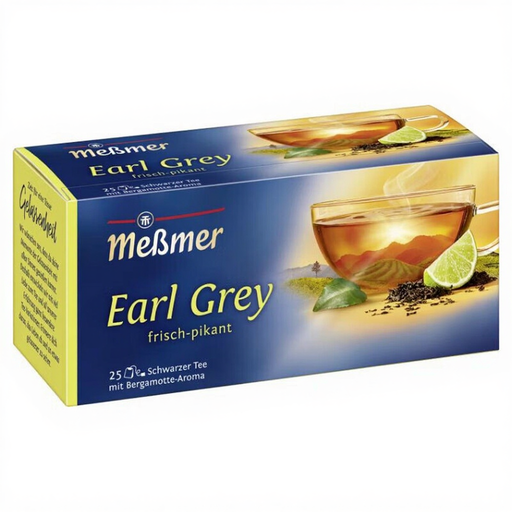
Why this product suits this profile: The combination of black tea and natural bergamot flavouring is ideal for anyone looking for an aromatic cup that is quick to prepare.
The distinctive flavour is explicitly listed in the ingredients as natural bergamot flavouring.
25 tea bags, each containing 1.75 g; pre-portioned for a cup and with a stated steeping time of three to five minutes.
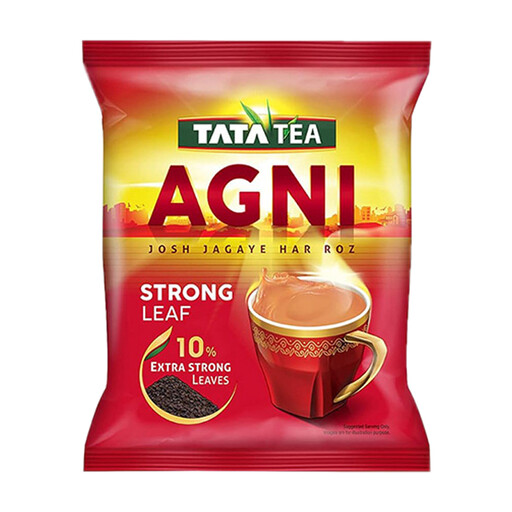
Why this product suits this profile: The 900-gram pack is designed for regular consumption and is suitable for strong infusions as well as traditional chai recipes.
The product information specifies the origin, weight, ingredient base and recommended storage conditions.
Loose Assam-style tea; resealable 900-g pack; according to the product information, also intended for chai with milk and spices.
If you prefer organic black tea, you could look for an organic Darjeeling in tea bags, for example. Products such as Teekanne Darjeeling Organic Black Tea clearly state their ingredients and portion size. For Turkish tea culture, Caykur products with bergamot flavouring are an option. According to the description, the 125 g varieties are also intended for blending with classic black tea.
For classic East Frisian tea, packs containing 40 or 50 tea bags are available alongside loose tea. This makes it easier to choose the right format for your household: loose tea offers flexible dosing, while tea bags provide consistent portions.
We have compiled a complete, regularly updated list of products that fully meet these strict selection criteria and the safety regulations applicable in the EU.
Many products recommend a steeping time of three to five minutes. Depending on your preferred strength, Earl Grey and East Frisian tea can also be steeped for a shorter or longer time. The instructions on the packaging should always take priority.
Once opened, the pack should be tightly sealed and stored somewhere dry, cool and protected from light. Strong odours nearby can affect the flavour. The best-before date and specific storage instructions can be found on the packaging.
That depends on the pack size, quantity used and how regularly you drink it. Loose tea can offer a lower price per gram if consumed regularly. Tea bags, on the other hand, reduce preparation time and make portioning easier. When comparing prices, check the cost per 100 grams rather than looking only at the pack price.