
Lieferung heute & morgen

Qualitätsgarantie

Willkommens-Angebote freischalten: KOSTENLOSE Lieferung | Bis zu 80 % RABATT | Kostenlose 30-Tage-JoyPlus-Testphase
App herunterladen
A new board game should suit the planned games evening – but product descriptions often focus mainly on general promises such as “for everyone”, “easy to explain” or “for large groups”. What really matters, however, are specific details: number of players, age rating, playing time, materials, language and any additional equipment required.
If you do not check these points before buying, common disappointments can follow: the card game is too small for your group, the rules take longer to explain than expected, or a music game only works to a limited extent without a smartphone and streaming access. Small parts and an unsuitable age recommendation can also be important considerations when choosing board games for children.
Many family games are aimed at children aged 8 or 10 and over. Younger children may find number combinations, written tasks or secret roles overwhelming. Board games for adults aged 16 or 18 and over may also contain themes and humour that are unsuitable for children or teenagers.
You should therefore check the following before buying:
A game for 2 to 10 people can feel very different with two players than it does in a large group. Deduction and party games often need several players, while classic card games can also work well with smaller groups. For games evenings with friends and family, the number of players should ideally match the size of your usual group.
Music games such as Hitster rely on an app, a smartphone, Spotify and an internet connection. Some versions may also require batteries for a scanning function. If you are looking for a completely analogue game, check these requirements before buying.
Start with the question: how many people usually play together? Compact card games with short rounds are ideal for spontaneous games. One example is SKYJO for 2 to 8 people. According to the product details, Wizard is designed for 3 to 6 players and takes around 45 minutes. For larger groups, party games such as “The Werewolves of Miller’s Hollow” with 8 to 28 people may be suitable.
The playing time should also suit the occasion:
The age rating provides guidance on the level of rule comprehension, game mechanics and content involved. A game for ages 8 and over may include numbers, simple strategy or creative tasks. Games for ages 16 and over, on the other hand, are often aimed at teenagers and adults and may feature themes such as party music, voting or dark humour.
The following applies to all games: products containing small parts are not suitable for children under 3 years of age. You should also follow the safety instructions on the packaging and in the manual.
Consider what type of entertainment you are looking for:
Storage is also relevant. Paper or cardboard cards should be kept dry and not cleaned with liquids. Larger game boards need a sufficiently wide, flat surface.
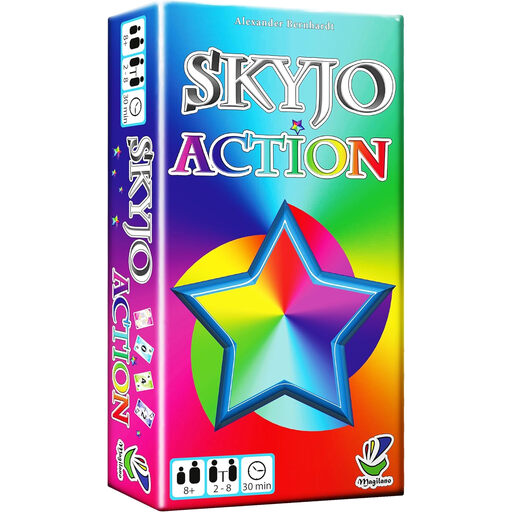
Why this product suits this profile: This card game is designed for 2 to 8 people aged 8 and over, making it ideal for short, repeatable rounds with family or friends.
The number of players and age recommendation are clearly stated. The compact card format reduces set-up and transport requirements.
2–8 players, ages 8 and over, material: cardboard, suitable for family games evenings and playing on the go.
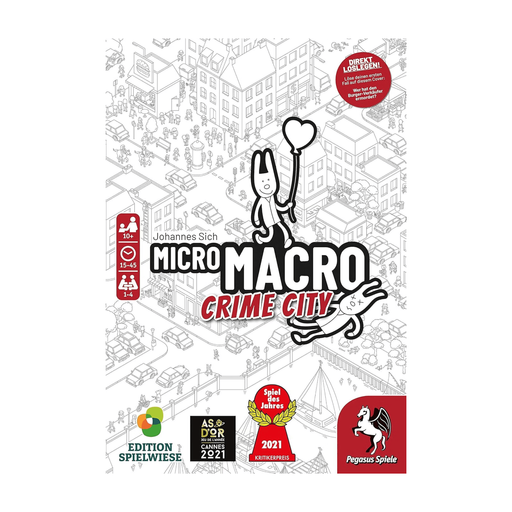
Why this product suits this profile: This cooperative detective game combines a 75 × 110 cm fabric game map with 16 cases and a magnifying glass.
The contents and space required are clearly specified. Buyers can check in advance whether their table and lighting are suitable.
Cooperative gameplay, German instructions, 16 cases and a fabric game map.
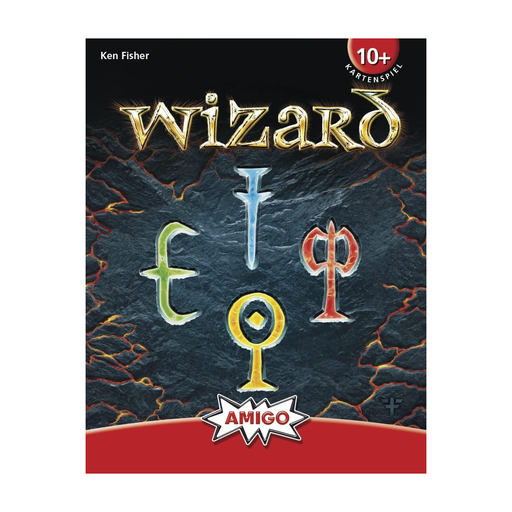
Why this product suits this profile: This card game is designed for 3 to 6 people aged 10 and over. With a stated playing time of around 45 minutes, it offers a structured option for regular games.
The target audience, group size and approximate playing time are stated transparently. This makes it easier to plan your game.
3–6 players, ages 10 and over, around 45 minutes, German instructions and a handy format.
Music games and fun group games work particularly well when everyone enjoys discussing, remembering familiar songs or voting together. Hitster Original and Hitster Summer Party are listed for 2 to 10 people aged 16 and over and require a smartphone, the relevant app and Spotify for music playback. Hitster Bingo also includes 225 music cards and can be connected with various Hitster editions.
For larger celebrations, “The Werewolves of Miller’s Hollow – Best of” may be a good choice for 8 to 28 people aged 10 and over. The game requires a moderator and revolves around secret roles, discussion and deduction. For word and quiz rounds, options include Taboo for ages 13 and over or Trivial Pursuit for ages 16 and over.
We have put together a complete, regularly updated list of products that fully meet these strict selection criteria and the safety regulations applicable in the EU.
There are many card games, family games and quiz games suitable for four people. Look for a minimum player count of no more than four people and a playing time that fits the time available. Wizard, for example, is listed for 3 to 6 players, while SKYJO can also be played with smaller groups.
Board games for children aged 8 and over should have clear rules and manageable game mechanics. SKYJO, MyRummy and creative games such as Pictures are examples for this age group. Also check whether the game contains small parts and whether adult supervision would be advisable.
Most card and board games work without batteries or ongoing costs. Music games, however, may require a smartphone, app, internet connection and a Spotify account. Before buying, also check whether batteries are included or need to be purchased separately.