
Lieferung heute & morgen

Qualitätsgarantie

Willkommens-Angebote freischalten: KOSTENLOSE Lieferung | Bis zu 80 % RABATT | Kostenlose 30-Tage-JoyPlus-Testphase
App herunterladen
Dry hands are often caused by frequent washing, hand sanitiser, cold weather or contact with cleaning products. The right hand cream can make daily care easier – provided the texture, ingredients and pack size match your actual needs.
However, some typical marketing claims can lead to poor purchasing decisions. “Intensive care” alone says little about the formulation. A rich cream is not automatically suitable for sensitive skin, and a pleasant fragrance can be a disadvantage if you are sensitive to fragrance ingredients. The key is to check the verifiable information on the product page and packaging.
For hand cream for dry hands, moisturising and replenishing ingredients are important. Glycerin is one of the most commonly used humectants. Shea butter, plant oils or waxes can help create a richer texture. For very dry skin, a cream containing urea may be worth considering; for example, the ReAm Med Hand Cream is stated to contain 5% urea.
A hand cream for sensitive skin should ideally have a straightforward formulation. Check whether it contains perfume and whether known fragrance allergens are listed. “Vegan”, “mineral oil-free” and “paraben-free” are individual product features and do not replace checking the complete INCI list.
A fast-absorbing hand cream is suitable for the office, home or when you are out and about, particularly if you need to use a keyboard, steering wheel or smartphone straight afterwards. Richer formulations may be especially suitable for evening care. Terms such as “gel”, “lotion” and “cream” provide an initial indication, but they are not standardised categories of skincare.
Also check whether the description mentions a non-greasy or non-sticky application. These details indicate how the product is expected to feel on the skin, but they cannot guarantee the same experience for everyone.
For a handbag or travel, 30 to 50 ml is practical. A 75 to 150 ml pack is often more economical for regular use. A pump dispenser can make it easier to dispense the product, while jars and tubes suit different hygiene and practical preferences.
Apply the cream after washing your hands and spread it over the spaces between your fingers, knuckles, nails and cuticles. For hand and nail cream, the product description should specifically mention care for these areas.
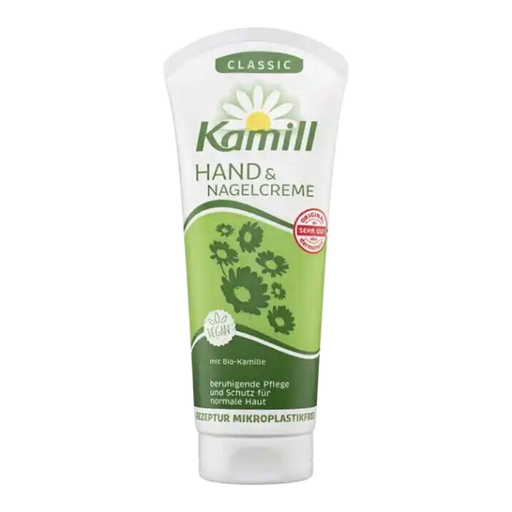
Why this product suits the profile: The 100 ml size is suitable for daily use and is described as a vegan hand cream with organic camomile.
The product information states 100 ml and that it is free from colourants, parabens, paraffin, mineral oil and PEG emulsifiers. The specific INCI list should nevertheless be checked on the packaging.
100 ml contents, care for hands and nails, and a formulation described as vegan.
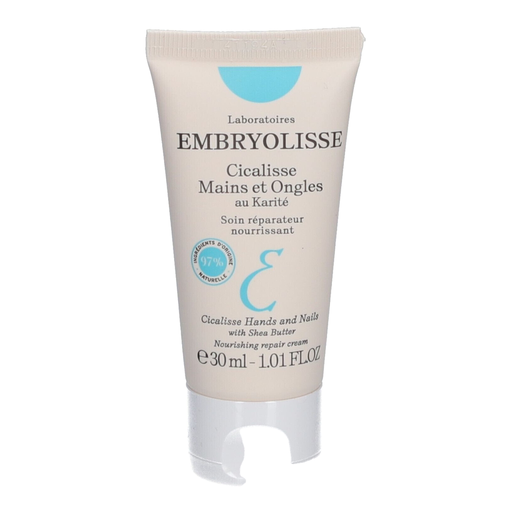
Why this product suits the profile: According to the product description, this compact hand and nail cream is intended for very dry, stressed hands, as well as nails and cuticles.
The information states 30 ml, shea butter and glycerin, as well as a rich yet fast-absorbing texture. If you are sensitive to fragrance, note that perfume is included in the INCI list.
Care for hands, nails and cuticles, plus a size that is convenient for taking with you.
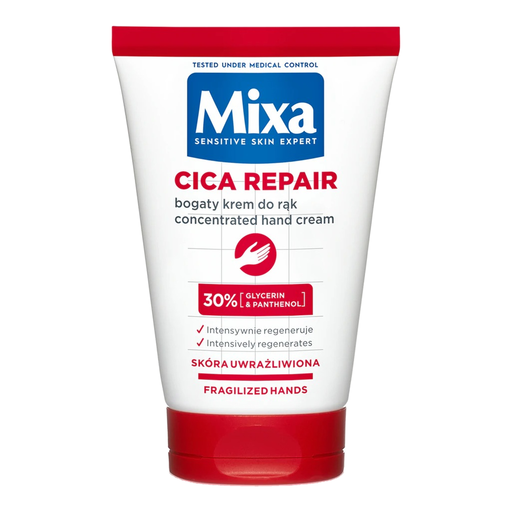
Why this product suits the profile: The 50 ml tube is suitable for regular use after washing your hands and for carrying with you during the day.
The product description lists glycerin, panthenol, niacinamide and shea butter. Fragrance is also listed as an allergen warning, so those with sensitive skin should take appropriate care.
50 ml contents, stated care for dry and stressed hands, and a fast-absorbing texture.
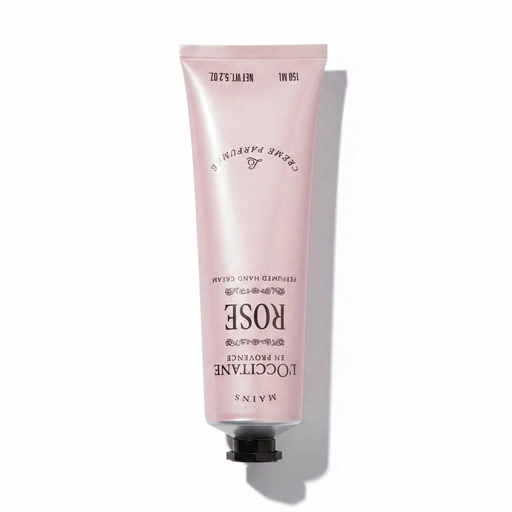
Why this product suits the profile: The 150 ml size is designed for daily care at home or in the office, combining hand care with a rose fragrance.
The product information lists shea butter, glycerin and rose extracts. As it contains perfume and several declared fragrance ingredients, this cream is best suited to people who actively want and tolerate fragrance.
Generous 150 ml contents, shea butter, and a texture described as rich yet fast-absorbing.
We have put together a complete, regularly updated list of products that fully meet these strict selection criteria and the safety regulations applicable in the EU.
A moisturising hand cream should be applied to clean, dry skin. It is particularly useful after washing your hands, before going to bed and whenever dryness is visible. When trying a new formulation, it is advisable to start by applying a small amount to a limited area of skin.
Cosmetic products are for external use only. Avoid contact with the eyes. If redness, itching or a burning sensation occurs, stop using the product. If skin changes persist or become pronounced, seek medical advice. Hand cream is not a substitute for treating skin conditions.
Look for a combination of humectants such as glycerin or urea and replenishing ingredients such as shea butter or plant oils. A rich cream is often suitable for evening care, while a fast-absorbing hand cream may be more practical during the day.
This depends on your skin’s condition and daily routine. Reapplying after washing your hands or coming into contact with cleaning products may be helpful. For normal skin, many people find that applying hand cream once or several times a day is sufficient. Always follow the specific manufacturer’s instructions on the packaging.
You will find the best-before date or the open-jar symbol indicating how long the product lasts after opening on the packaging. Heat, direct sunlight and leaving the product open frequently can affect its quality. Store the cream in a dry, cool place and keep it tightly closed.