
Lieferung heute & morgen

Qualitätsgarantie

Willkommens-Angebote freischalten: KOSTENLOSE Lieferung | Bis zu 80 % RABATT | Kostenlose 30-Tage-JoyPlus-Testphase
App herunterladen
Buying international snacks online gives you more choice than a traditional supermarket. Asian snacks, Chinese snacks, Korean specialities and American classics often sit side by side. At the same time, packaging, portion sizes and flavour descriptions may differ from those of products in the UK. If you choose based only on eye-catching product images or familiar brand names, it’s easy to miss important details.
Descriptions such as “Spicy Crawfish”, “Charcoal Grilled Pork Belly” or “Birthday Cake” tell you about the flavour. But they don’t automatically tell you how intense, salty or sweet a snack will be. Check the ingredients list to see whether it contains spices, sugar, sweeteners, flavour enhancers or smoke flavourings, for example.
A large image can make the actual contents seem bigger than they are. International products come in a range of sizes, from small single portions to multipacks. For sharing, 150g bags or multipacks are a good choice; 33g to 80g portions are more practical for your rucksack, the office or a trip.
Check for allergens before buying imported food. Biscuits and cookies, wafers and crackers often contain wheat, milk, soya, peanuts or hazelnuts. Some fruit and spiced snacks may also contain sulphites. Always check the information on the product page and packaging. If you have an intolerance, the current packaging label should take precedence.
Don’t just compare product names: check the ingredients in the order listed. Potatoes or potato powder are usually near the top of the list for crisps, followed by oil and seasoning. For sweets and Oreo biscuits, it’s also worth checking the sugar or sweetener content.
Examples from the selection:
Values per 100 grams make it easier to compare products in different pack sizes. For snacks, the key figures are energy, fat, saturates, carbohydrates, sugars and salt. A small pack may have higher values per 100 grams but still contain a smaller portion overall. So check both the nutritional values per 100 grams and the net weight.
Depending on the product, international snacks may come from China, South Korea, Vietnam, Singapore or Germany, for example. Origin alone doesn’t determine quality, but it can help you understand the range. Most snacks should be stored in a cool, dry place, away from direct sunlight. Once opened, reseal crisps and crackers in an airtight container and eat them soon to keep them crunchy.
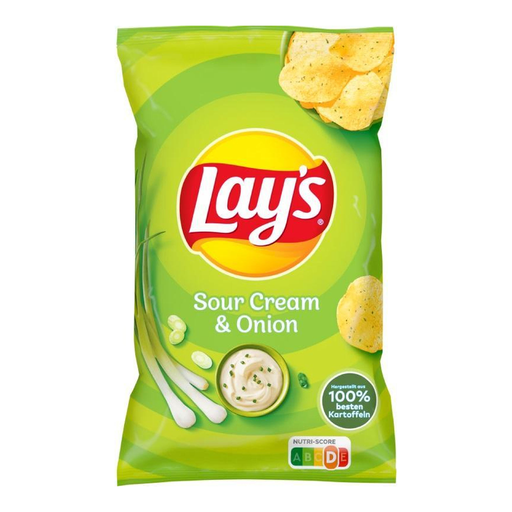
Why this product suits this profile: The 150g pack offers a familiar sour cream and onion flavour, perfect for film nights or sharing.
The pack size is clearly stated. The ingredients list identifies milk ingredients, and the nutritional values are given per 100g.
150g; made in Germany according to the product information; ready to serve.
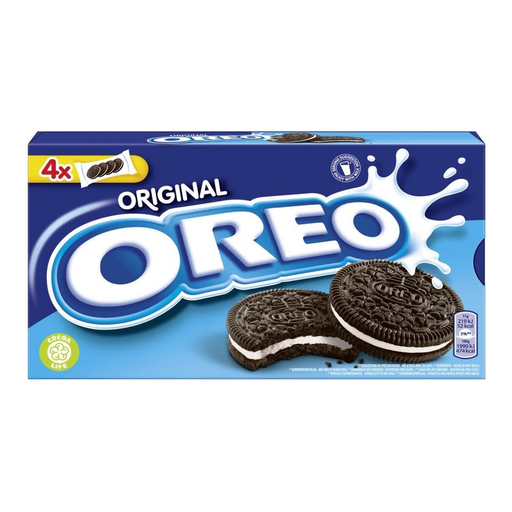
Why this product suits this profile: According to the product description, the 176g pack contains 16 cocoa biscuits with a vanilla-flavoured filling.
The portions and ingredients are clearly described. Wheat and soya are listed as allergens; the product may contain milk.
16 biscuits per pack; versatile for enjoying as they are, with coffee or in baking.
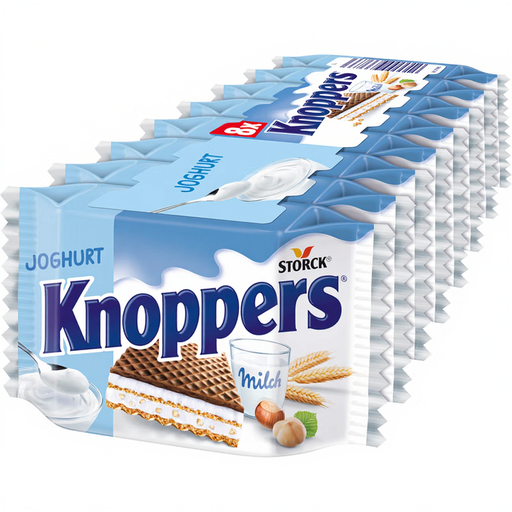
Why this product suits this profile: Eight individually wrapped 25g wafers are ideal for the office, a school bag or sharing among family members.
The individual portions mean you’re less likely to have to store a large pack open once it’s been opened. Allergens including milk, wheat, soya, hazelnuts and peanuts are listed.
8 × 25g; layers of wafer with yoghurt and milk cream; store in a dry place.
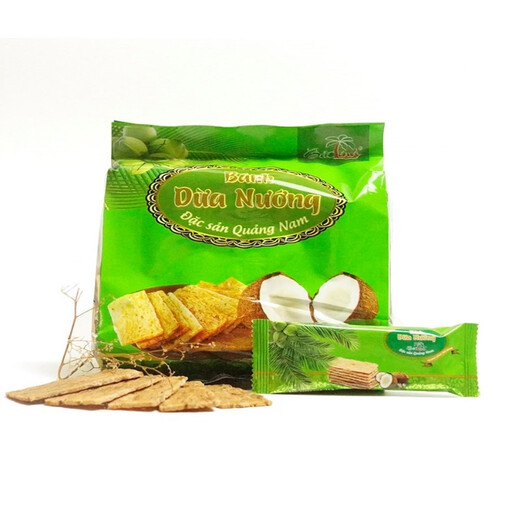
Why this product suits this profile: These Vietnamese coconut crackers combine coconut with rice flour and glutinous rice flour, offering an alternative to classic potato crisps.
The ingredients list shows a coconut content of around 50 per cent. The product description includes its origin, pack size and storage instructions.
150g; from Vietnam; smaller individually wrapped portions according to the product information.
We’ve put together a complete, regularly updated list of products that meet these strict selection criteria and fully comply with the safety regulations in force in the EU.
Small, individually wrapped products are easier to portion out for children and teenagers. For families, it’s worth choosing a mix of potato crisps, biscuits, wafers and crackers in different flavours. Larger bags or a snack mix can be a good choice for parties. For flights and day trips, look for sturdy, compact packaging and dry products that don’t need to be chilled. Find more suitable products in our selection of travel snacks for the plane.
Small packs, individual portions and resealable bags are practical options. Mini crackers, fruit bars, small sweets and individually wrapped wafers are all worth considering. If you’re flying, check the rules of your airline and destination country too.
The best-before date is shown on the packaging. Unopened, dry products generally keep for longer than packs that have already been opened. However, heat, moisture and direct sunlight can affect their flavour and crunch. Once opened, seal the pack airtight and eat the contents soon.
Check the ingredients list, allergen information and any warnings about possible traces for each product individually. Common allergens in Asian snacks, biscuits and sweets include wheat, milk, soya, peanuts, tree nuts, sesame and sulphites. If the information is contradictory or incomplete, the current packaging should take precedence.