
Lieferung heute & morgen

Qualitätsgarantie

Willkommens-Angebote freischalten: KOSTENLOSE Lieferung | Bis zu 80 % RABATT | Kostenlose 30-Tage-JoyPlus-Testphase
App herunterladen
Protein powder can be a practical addition when you are missing a protein-rich meal during the day, after training or while travelling. The choice ranges from classic Whey Protein and vegan protein powder to high-calorie Weight Gainer products. However, product names and marketing claims are not always directly comparable.
If you only look at the protein content per 100 grams, you can easily overlook important details. Serving size, calories, sugar, protein source, allergens and how the product fits into your everyday routine are also crucial.
A high value per 100 grams sounds convincing at first. For everyday use, however, what matters is how much protein a realistic serving provides. A product with 75 grams of protein per 100 grams may provide around 22.5 grams of protein in a 30-gram serving. That is why you should always check nutritional values per serving and per 100 grams.
Weight Gainers and Mass Gainers also often show high calorie amounts per shake. These calories are partly provided by carbohydrates and a large quantity of powder, not by protein alone.
Some protein products use sweeteners such as sucralose or steviol glycosides. Others contain maltodextrin, dextrose or rice syrup. A high carbohydrate content is intentional in a Mass Gainer in particular. For people who simply want to supplement their protein intake, however, such a shake may provide unnecessarily high levels of calories.
Whey Protein is made from milk and is therefore not suitable for a vegan diet. Vegan protein powder, on the other hand, may contain soya, wheat, pea, rice, sunflower or almond protein. Egg, gluten and lactose may also be present, depending on the recipe. The ingredients list and allergen information should be checked before buying, particularly if you have any intolerances.
Whey Protein usually consists of whey protein concentrate or isolate. Alongside protein, a concentrate may contain slightly more fat and carbohydrates. Plant-based blends combine several protein sources, such as soya, pea and sunflower protein.
As a practical guide, you should compare the information per serving. Examples from the selection include:
These figures describe the nutritional content. They are not a medical claim and do not replace a balanced diet.
A classic protein shake often contains fewer calories and carbohydrates than a Weight Gainer. If you want to gain body weight deliberately or have high energy requirements, you may prefer a higher-calorie shake.
Mammut Nutrition Crash Weight Gainer is listed as containing around 80 per cent carbohydrates, depending on the variant. The product contains maltodextrin and dextrose, among other ingredients, as well as several protein sources. Optimum Nutrition Serious Mass is described as providing around 1,250 kilocalories, 50 grams of protein and over 250 grams of carbohydrates per stated serving. At 334 grams of powder, the serving is very large. To make a gradual adjustment, it may be sensible to start with half a serving, provided this is consistent with the product information.
Powdered products require a shaker and liquid. The recommended quantities vary considerably: Nutri+ recommends, for example, 30 grams of powder with 350 to 400 millilitres of liquid, while ESN recommends 30 grams with 200 millilitres.
A ready-to-drink protein shake is ready to consume straight away and is suitable for the office, train journeys or your gym bag. After opening, however, the manufacturer’s storage instructions apply. yfood Heavenly Hazelnut Meal-Replacement Shake can be stored unopened without refrigeration; after opening, it should be refrigerated and consumed within 24 hours. A ready-to-drink shake is also a meal replacement and is not automatically the same as pure protein powder.
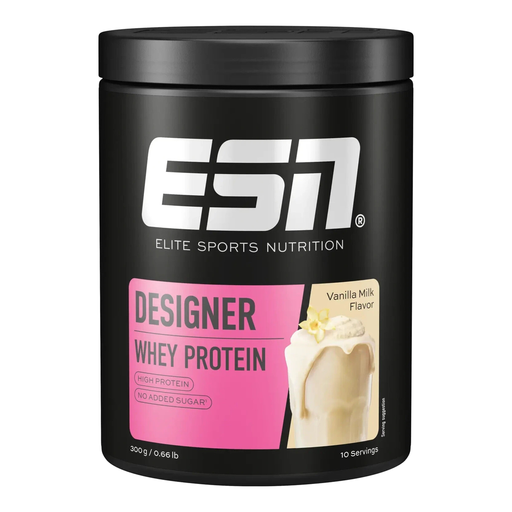
Why this product suits this profile: A 300-gram pack makes it easy to try classic Whey Protein without buying a large supply straight away. The recommended serving is 30 grams.
According to the product details, the serving provides 28.2 grams of whey protein blend. This makes it easy to assess the actual amount per serving.
Whey concentrate and isolate; can be prepared with water, milk or a plant-based drink.
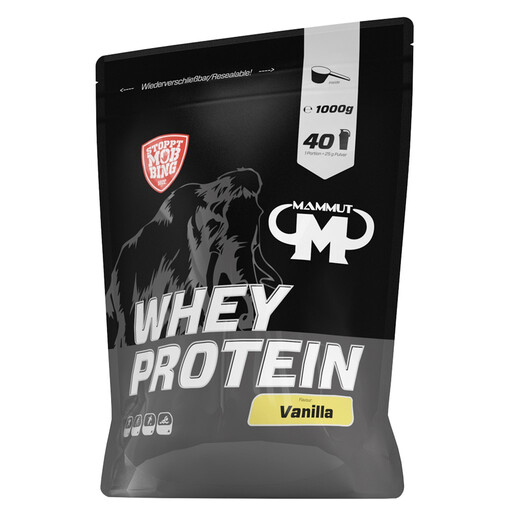
Why this product suits this profile: The 1-kilogram bag is designed for regular use. According to the product details, a 25-gram serving contains 27 grams of protein.
The ingredients list states 96.7 per cent whey protein concentrate. Milk is expressly listed as an allergen and should be taken into account.
Dosing scoop included in the bag; intended for use after training or as a protein-rich snack.

Why this product suits this profile: For endurance and performance athletes with increased energy requirements, the large pack offers a carbohydrate-rich option for supplementing daily calorie intake.
The nutrition table shows the high carbohydrate content of around 80 per cent. This makes it clear that it is not pure protein powder.
4.5-kilogram pack; according to the product details, 518 kilocalories per serving prepared with milk and 20 grams of protein.
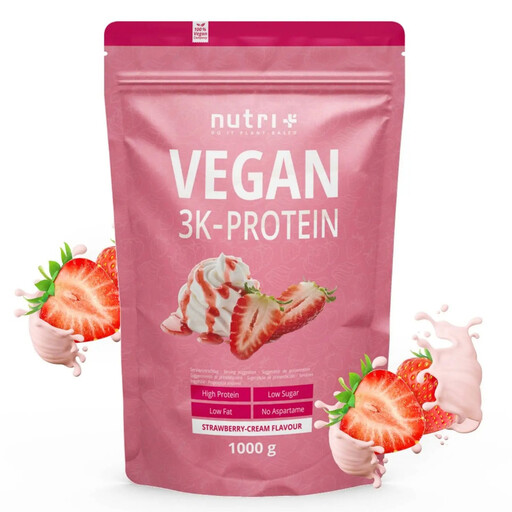
Why this product suits this profile: The blend of soya, pea and sunflower protein is an appealing choice for buyers looking for vegan protein powder without wheat.
The three protein sources are listed in the ingredients. This makes the plant-based composition easy to verify.
25 grams of protein per 30-gram serving according to the product details; prepared with 350 to 400 millilitres of liquid.
We have put together a complete, regularly updated list of products that fully meet these strict selection criteria and the safety regulations applicable in the EU.
A protein shake can be used in the morning, between meals or as protein after training. For many people, precise timing is less important than their overall daily diet. Make sure you consume enough liquid and use the recommended serving size.
With a Weight Gainer, the additional energy should fit into your daily requirements. For people with milk, soya, egg or gluten allergies, the ingredients list is the key reference. Pregnant or breastfeeding women, minors and people with medical conditions or who take medication should seek medical advice before using food supplements.
When unopened, the best-before date on the packaging applies. Once opened, powder should be stored in a dry, cool, dark place and kept tightly sealed. A mixed protein shake should not be kept at room temperature for an extended period.
This depends on your individual protein requirements, diet and the serving information for the product. Many products recommend a serving of around 25 to 30 grams of powder. Multiple servings are not automatically necessary. The instructions on the packaging and your total protein intake from ordinary foods and food supplements are the key factors.
Protein powder focuses primarily on supplementing your protein intake. A Weight Gainer or Mass Gainer also contains significantly more carbohydrates and calories. It is therefore more suitable for people who deliberately want to consume more energy, while a classic protein shake can be incorporated more flexibly into a normal diet.