
Lieferung heute & morgen

Qualitätsgarantie

Willkommens-Angebote freischalten: KOSTENLOSE Lieferung | Bis zu 80 % RABATT | Kostenlose 30-Tage-JoyPlus-Testphase
App herunterladen
Anyone looking to buy orange drinks will find a wide selection online: orange juice, orange nectar, refreshing lemonades, syrups and drinks from Italy, Korea and Japan. However, a striking product name alone reveals little about the ingredients, serving size or packaging format. For households, offices and hospitality businesses, it is therefore worth looking beyond the advertising to the product details.
An orange soft drink may contain only flavouring, extract or a small amount of orange juice. With nectar and fruit juice drinks, the fruit content is particularly important. A product labelled “orange flavour” is therefore not directly comparable with 100% orange juice.
Look out for:
A multipack of orange juice containing 6 x 1 litre can be practical for families, offices or hospitality businesses. For a small household, however, the volume may be too high, especially if the drink should be consumed within a few days of opening. Individual portions of 200 to 330 ml are more suitable for drinking on the go or for controlled serving.
Italian orange lemonade, Korean orange drinks and Japanese Ramune Orange often differ in their sweeteners, acidity regulators, fruit content and packaging. When buying imported products, you should therefore check the German labelling, allergens and recommended storage conditions. Drinks containing fruit pulp or coconut ingredients should also be shaken or mixed carefully before serving.
Orange juice is fundamentally made from fruit and can be produced from not-from-concentrate juice or concentrate. Nectar also contains water and may have a lower fruit content, depending on the product. A fruit juice drink or orange lemonade usually contains water, sugar or sweeteners, acidity regulators and flavourings.
If you are looking for a fruit-forward taste at breakfast, you can choose juice or nectar. For meals, celebrations or warm days, a refreshing sparkling orange drink may be a better choice. Orange syrup is practical for cocktails and homemade mixed drinks, but should be diluted according to the recommended dosage.
Always compare the energy and sugar content per 100 ml. This makes it easier to assess bottles and cans of different sizes objectively. “No added sugar” does not automatically mean sugar-free, as natural sugar from fruit juice may still be present. For products containing sweeteners, you should also take the ingredients and packaging information into account.
For example, according to the product information, Hohes C Leicht Orange contains 50% orange juice and no added sugar or sweeteners. Granini Orange Nectar has a fruit content of at least 50% and contains sugar in its recipe. The specific nutritional table on the product concerned is the deciding factor when comparing products.
Glass bottles, PET bottles, cartons, cans and single-serve bottles meet different practical requirements. Glass can be suitable for serving at the table, while PET multipacks are easier to stack for storing supplies. Cans and small bottles are well suited to events or individual servings.
Also check:
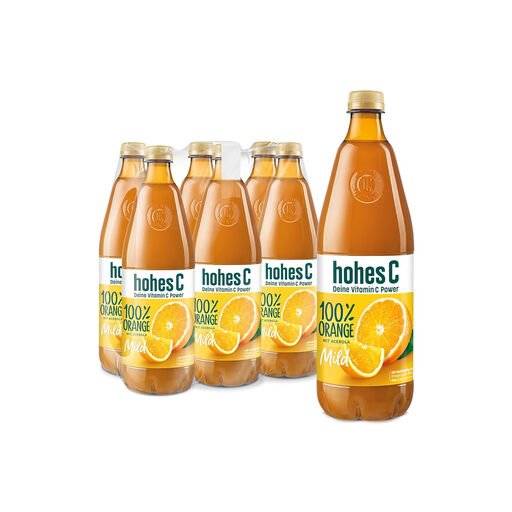
Why this product suits the profile: The six-pack, containing 6 litres in total, is designed for regular consumption at home or in the office. The stated orange juice content is 50%.
The stated fruit content helps distinguish it from a pure orange lemonade. The multipack also makes it easier to compare the price per litre.
50% orange juice from concentrate; according to the product information, with no added sugar, sweeteners or artificial colours.
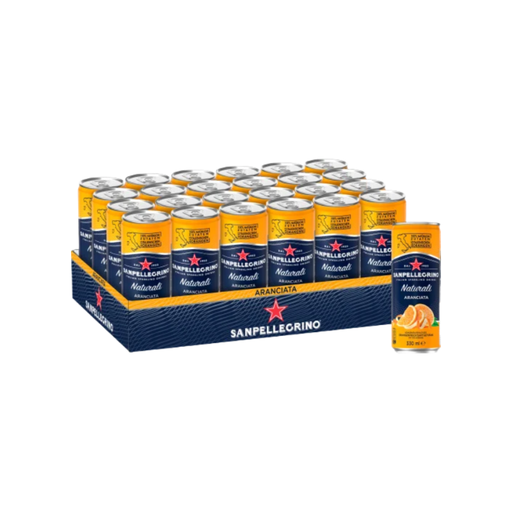
Why this product suits the profile: This Italian orange lemonade comes in 24 glass bottles of 0.33 litres each, making it suitable for table service, hospitality or events.
The fruit content of 15% is clearly stated. This makes it easier to distinguish the drink from products that only mention orange flavouring.
24 glass bottles of 0.33 litres each; according to the product information, with no artificial colours and made with carbonated water and concentrated orange juice.
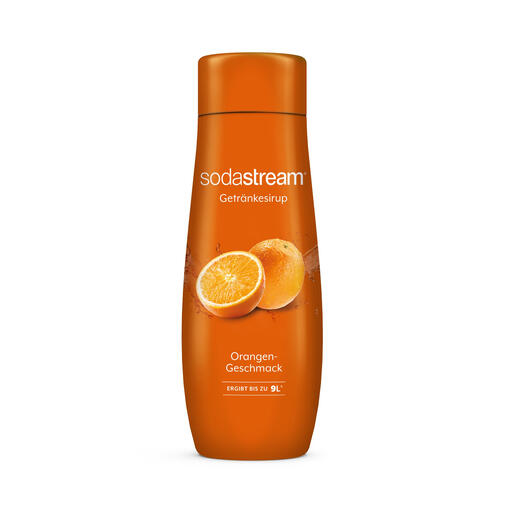
Why this product suits the profile: Orange syrup is suitable for households and offices that want to prepare drinks by the serving with water and carbonation.
The bottle size means you do not have to store large quantities of ready-made lemonade after opening. The syrup should be diluted according to the manufacturer’s instructions.
440-ml bottle; according to the product information, containing 50% reconstituted orange juice and several sweeteners, including aspartame.
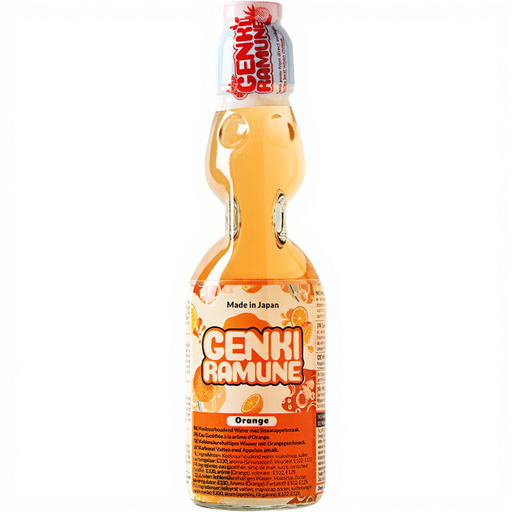
Why this product suits the profile: Japanese Ramune Orange offers a convenient 200-ml serving and a carbonated recipe for special occasions or international drinks collections.
The serving size makes the amount you drink clear. Before buying, compare the ingredients list and labelling with your personal requirements.
200-ml bottle; carbonated orange drink with a sweet-and-tangy flavour and, according to the product information, no declared allergens.
We have put together a complete, regularly updated list of products that fully meet these strict selection criteria and the safety regulations applicable in the EU.
For regular consumption, multipacks with 1-litre bottles can be practical. Compare the fruit content, sugar content and storage time after opening. For occasional use, smaller bottles or cans are often easier to finish completely.
This depends on the manufacturer and the product. Several of the juices mentioned here recommend refrigerated storage and consumption within around three to four days. The information on the packaging always takes precedence.
Orange juice contains fruit juice as its main ingredient. Orange nectar is made with water and has a specified minimum fruit content. Orange lemonade is generally based on water, sugar or sweeteners, carbonation and fruit juice, extract or flavouring. To make the right purchase, compare the product category first, followed by the ingredients, nutritional values and pack size.