
Lieferung heute & morgen

Qualitätsgarantie

Willkommens-Angebote freischalten: KOSTENLOSE Lieferung | Bis zu 80 % RABATT | Kostenlose 30-Tage-JoyPlus-Testphase
App herunterladen
Anyone looking to buy red wine online will find an extensive selection from Italy, Spain, France, Chile, California and other wine regions. However, product pages can vary considerably in terms of vintage, grape variety, alcohol content, bottle format and storage requirements. An appealing label or promotional tasting description is therefore not enough to make a well-informed purchase.
This shopping guide from the Joybuy Product Recommendation Officer explains which details matter before buying, which common pitfalls to watch out for and which wines may suit different occasions.
Terms such as dry red wine, “full-bodied” or “fruity” do not always describe the same characteristics. A dry wine contains little residual sugar, but its overall impression can vary significantly depending on acidity, tannins, maturity and alcohol content. Cabernet Sauvignon is often more structured, while Zinfandel tends to appear fruitier and higher in alcohol. Carmenère can fall somewhere between the two, depending on its origin and vinification.
Terms such as Italian red wine, Spanish red wine or French red wine initially indicate only the wine’s origin. A Barolo DOCG made from Nebbiolo differs fundamentally from a Chianti Riserva based on Sangiovese or a Rioja Crianza made from Tempranillo.
For many wines, the vintage is an important criterion. Some products are listed as “NV”, or “non-vintage”, meaning they are not tied to a specific harvest year. Anyone expecting a particular vintage should carefully compare the product description with the image.
A Rioja Crianza, Barolo DOCG or Amarone della Valpolicella may develop different characteristics through ageing and maturation than a young everyday wine. That does not automatically make it a better personal match. What matters is whether the style, occasion and choice of food work well together.
Cases containing six or twelve bottles can be practical for regular consumption or entertaining. Before placing an order, however, you should check the total volume, alcohol content, closure type and available storage space. A six-bottle case of 0.75-litre bottles contains 4.5 litres of wine. Once opened, a bottle should be consumed promptly and properly resealed.
Look for specific information about the region and grape variety:
The alcohol content should suit the intended occasion. In this selection, for example, the stated levels range from 13% ABV for the Saint-Émilion Grand Cru to 15.5% ABV for the Amarone. Full-bodied wines are often best served at 16 to 18°C. Storing wine too warmly can accentuate the perception of alcohol; direct sunlight and significant temperature fluctuations should be avoided.
Wine often contains sulphur dioxide and sulphites. This information must be included in the product labelling. Individual products may contain other ingredients that require declaration. Before buying, allergy sufferers should check the complete ingredient and allergen information on the relevant product page.
Alcoholic beverages in Germany are intended exclusively for adults. Alcohol impairs the ability to drive and may damage health. Alcohol should be avoided during pregnancy and breastfeeding. Orders, storage and consumption must all be handled responsibly.
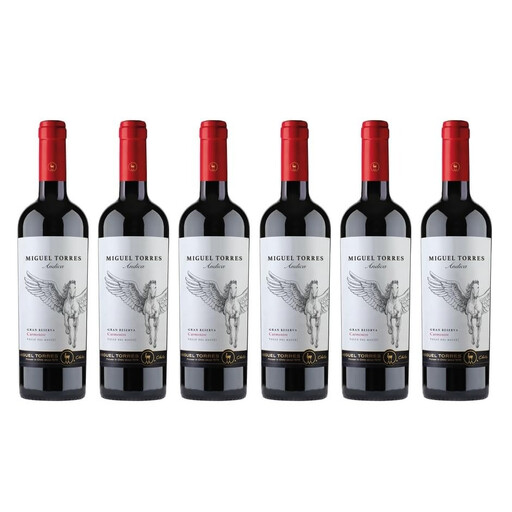
Why it fits: The six-bottle case is ideal for households that regularly serve dry red wine with pasta, grilled dishes or cheese.
The grape variety, origin, organic certification, 13.5% ABV and total volume are clearly specified.
Six 0.75-litre bottles; certified as an organic wine with control body number FR-BIO-01.
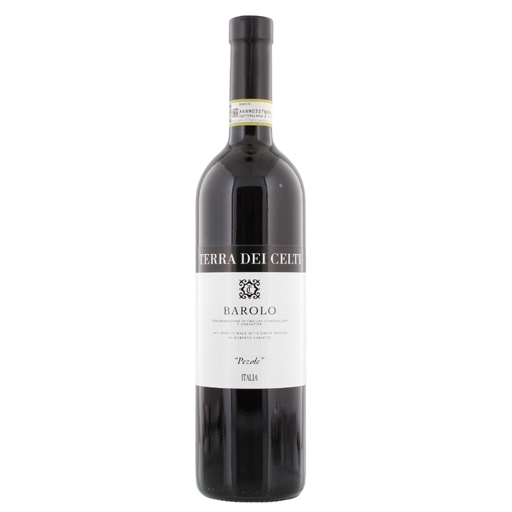
Why it fits: Designed for special dinners featuring red meat, game or braised dishes, when you want a structured Nebbiolo foundation.
The origin, DOCG designation, Nebbiolo grape, 14% ABV and recommended decanting time are specified.
0.75-litre bottle; storage guidance of 12 to 16°C and a serving suggestion at room temperature.
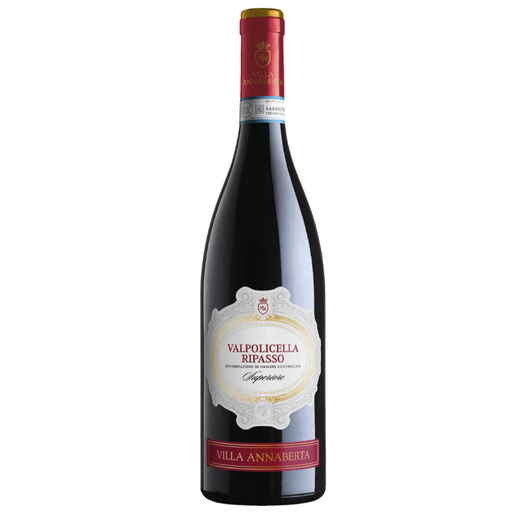
Why it fits: This dry red wine from Veneto can be served with pasta, grilled dishes and richly flavoured main courses.
The 2019 vintage, 14.5% ABV, 0.75-litre format and serving temperature of 16 to 18°C are clearly stated.
DOC Superiore Ripasso; details on Corvina, Corvinone and Rondinella.
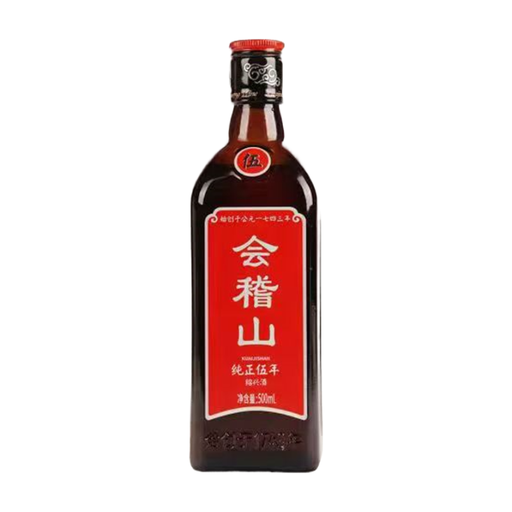
Why it fits: As a Shaoxing wine for marinades, braised dishes and stir-fries, it is tailored to Chinese cuisine.
The product is clearly identified as an alcoholic rice wine and should not be confused with ordinary rice vinegar.
Aged for five years; 500 ml, at least 14% ABV and the wheat allergen are clearly stated.
Anyone looking for specialities beyond red wine can apply the same criteria to other categories. When you buy whisky online, origin, cask maturation, age and alcohol content are important. When you buy sherry online, you should check the style, sweetness level, origin within the Sherry Triangle and alcohol content.
For Chinese recipes, cooking wines such as Luhua Natural Aromatic Cooking Rice Wine 1 L or Lao Heng He Original Brewed Cooking Wine, aged for five years, 1.9 L are available alongside Shaoxing wine. According to the product information, both contain alcohol and wheat and are intended exclusively for culinary use. Laohenghe Huadiao Cooking Wine, ten years, 500 ml is listed with 15% ABV and wheat as an allergen.
First check that the wine is labelled “dry”, then review the grape variety, origin, alcohol content and food pairing recommendation. For structured wines, Cabernet Sauvignon or Barolo made from Nebbiolo may be suitable options. Fruitier profiles can often be found in Zinfandel or Carmenère. Personal perception still depends on serving temperature, the dish and individual taste.
Unopened bottles should be stored in a cool, dark place protected from direct sunlight. Significant temperature fluctuations should be avoided. After opening, reseal the bottle securely and consume it promptly. Any specific storage instructions on the relevant product page take precedence.
When buying a gift, check the origin, grape variety, vintage, bottle size, alcohol content and possible sulphites. A Barolo DOCG, Amarone, Chianti Riserva or Saint-Émilion Grand Cru can represent very different taste profiles. The occasion and the recipient’s known preferences are the decisive factors.