
Lieferung heute & morgen

Qualitätsgarantie

Willkommens-Angebote freischalten: KOSTENLOSE Lieferung | Bis zu 80 % RABATT | Kostenlose 30-Tage-JoyPlus-Testphase
App herunterladen
Anyone looking to buy red wine online will quickly find a wide selection from France, Italy, Spain and Germany. However, your decision should not be based solely on the label, price or appealing descriptions. The wine’s region, grape variety, quality classification, bottle size and food pairing all influence whether it suits your personal taste and the occasion you have in mind.
This selection from the Joybuy Product Recommendation Officer helps you put marketing language into context and compare dry red wines objectively.
A dry red wine contains relatively little residual sugar. However, this does not automatically mean that it is particularly high in tannins, heavy or high in alcohol. For example, a dry Pinot Noir red wine may come across as lighter and more fruit-forward than a full-bodied Primitivo. If you are looking for a full-bodied wine, you should also consider its body, alcohol content, grape variety and maturation.
Designations such as Rioja DOCa, Barolo DOCG, Bordeaux or Pays d’Oc provide information about origin and production rules. However, they are not a general judgement of individual taste. A Rioja red wine can taste markedly different depending on whether it has been matured as a Crianza or Reserva. In an Italian red wine from Puglia, the Primitivo grape variety is often the main focus, while a Barolo DOCG made from Nebbiolo is typically characterised by structure and tannins.
A 6-pack of red wine can be practical for dinner parties, catering or stocking up. If you only drink wine occasionally, however, a single bottle is often the more suitable quantity. Once opened, wine changes through contact with oxygen. Its exact shelf life depends on the type of wine, closure and storage conditions. An opened bottle should be resealed and consumed promptly.
The grape variety provides an initial point of reference:
Aroma descriptions such as “cherry”, “cassis” or “vanilla” do not refer to added flavourings. They indicate perceived aromas and flavour impressions.
For a French red wine, designations such as IGP, AOP or a specific appellation can indicate different requirements concerning origin and production. A Bordeaux red wine comes from the Bordeaux region but may be made from a blend of different grape varieties. Saint-Émilion Grand Cru from France, for example, uses a regional designation referring to a defined appellation.
In Italy, DOC and DOCG stand for legally regulated regional categories. For Spanish wines, DOCa and DO are important points of reference. However, these designations do not replace personal preferences: if you prefer a softer wine, you should also read the tasting notes and information about its maturation.
Check the following before buying:
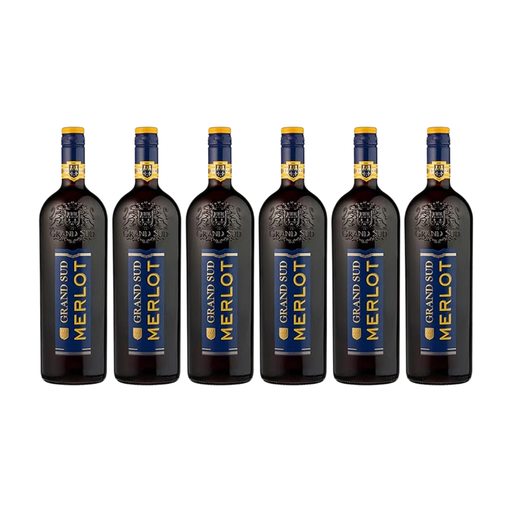
Why this product suits the profile: This dry Merlot from France is offered in a 6-pack of 1-litre bottles, making it suitable for regular meals or larger gatherings.
The product information specifies the grape variety, region, 13% ABV, dry flavour profile and a serving temperature of 16–18 °C.
Merlot, 6 x 1 litre, dry flavour and food pairing recommendations for poultry, barbecued dishes and cheese.
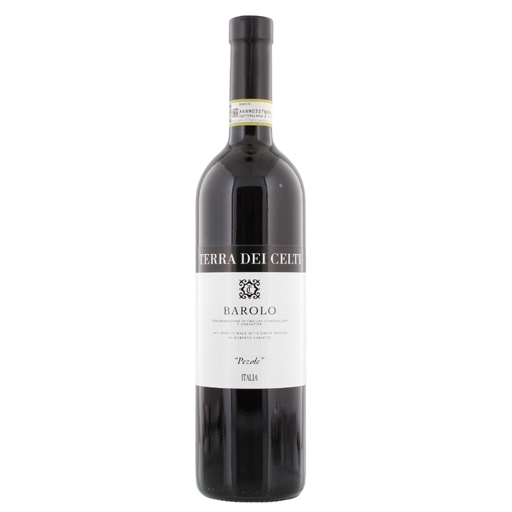
Why this product suits the profile: This dry Italian red wine is made from Nebbiolo and comes from the Barolo region. It is aimed at buyers who consider provenance, structure and suitable serving preparation.
The DOCG designation, Nebbiolo grape variety, 14% ABV and recommendation to decant are clearly stated, making the wine easier to assess.
Nebbiolo from Italy, 14% ABV, recommended with red meat, game and roasts, plus storage guidance.
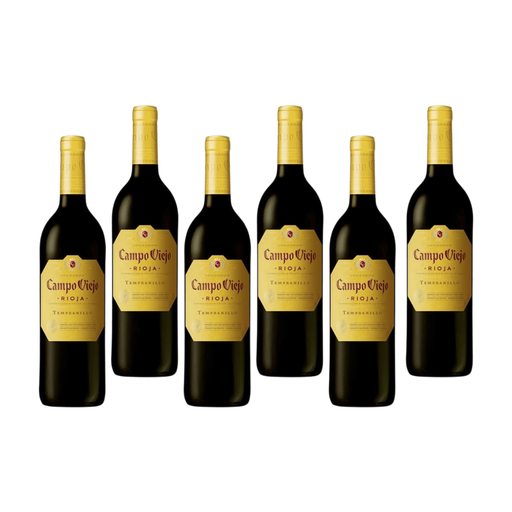
Why this product suits the profile: Six 0.75-litre bottles are designed for dinner parties, keeping in stock and recurring occasions. The Spanish origin and Tempranillo grape variety provide clear guidance.
The information specifies DOCa Rioja, Tempranillo, a dry style, a serving temperature of 16–18 °C and clear storage guidance.
6-pack, dry Tempranillo, notes of red fruit, vanilla and spices, plus food pairing suggestions for hearty dishes.
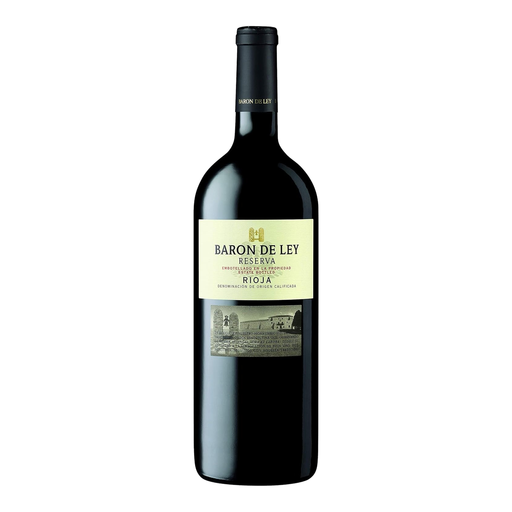
Why this product suits the profile: The individual 0.75-litre bottle from Rioja is ideal for a special evening or as a carefully chosen gift for adult wine enthusiasts.
The Reserva classification, Rioja origin, 14% ABV, grape variety information and documented ageing in oak and bottle are clearly stated.
Individual bottle, dry Reserva style, Tempranillo-based blend and suitable pairings with roasts, game, pasta and beef.
We have put together a complete, regularly updated list of products that fully meet these strict selection criteria and the safety regulations applicable in the EU.
For red wine with meat and cheese, structure and acidity are important points of reference. Full-bodied wines such as Barolo or Cabernet Sauvignon can pair well with beef, game and roasts. According to the product information, Merlot also works well with poultry, barbecued dishes and various types of cheese. Rioja is often a good match for tapas, pasta and Mediterranean dishes.
A German red wine from the Palatinate, such as a Pinot Noir, can complement poultry, mushroom dishes or mild cheese with its fruity character. When choosing a gift, you should consider the packaging, bottle size and occasion as well as the wine’s origin. An individual bottle of Reserva is suited to a different occasion than a 6-pack for a celebration.
Pay attention to the grape variety, tannin description and tasting notes. Merlot is often described as soft and fruity, while Nebbiolo or some Cabernet Sauvignon wines can come across as more structured. The term “dry” mainly refers to residual sugar, not to the intensity of the tannins.
This depends on the wine and how it is stored. Reseal the bottle as airtight as possible and keep it somewhere cool and away from light. Many product descriptions recommend consuming opened red wine within two to four days to preserve as much of its original quality as possible.
Unopened bottles should be stored somewhere cool and dry, away from direct sunlight. Avoid significant fluctuations in temperature. With a cork closure, storing the bottle on its side can be beneficial; with a screw cap, upright storage is unproblematic. Alcoholic drinks are intended solely for adults and should be consumed responsibly.