
Lieferung heute & morgen

Qualitätsgarantie

Willkommens-Angebote freischalten: KOSTENLOSE Lieferung | Bis zu 80 % RABATT | Kostenlose 30-Tage-JoyPlus-Testphase
App herunterladen
If you’re looking to buy rice vinegar, you’ll find products from China, Japan and Korea online, made with different ingredients and using different acidity levels and ageing methods. But the name alone won’t tell you whether a vinegar is right for sushi, salads, marinades or stir-fries. What matters is the ingredients list, the stated acidity and the flavour you’re after.
Depending on the product, natural rice vinegar or fermented rice vinegar can be made in very different ways. Some varieties contain sugar, salt, grains, alcohol or acidity regulators as well as rice. So terms such as “mild”, “traditional” or “naturally brewed” are no substitute for checking the ingredients list.
If you have allergies or want to avoid gluten-containing ingredients, take extra care: some Chinese rice vinegars contain wheat or wheat bran. Grain ingredients may also be present in Japanese products.
A rice vinegar with 3.5° acidity will behave differently in a recipe from a product with 5.5% acidity. A lower figure usually means a milder flavour, while higher acidity is more pronounced. So if you’re using vinegar for sushi rice, dressings or marinades, adjust the amount gradually.
Aged rice vinegar may have been stored for several years, developing a more intense flavour. However, not all aged Chinese vinegars are rice vinegars. According to the product information, Zi Lin Shanxi Aged Vinegar is made from sorghum, wheat bran and other ingredients. It is therefore better categorised as an aged Chinese vinegar, and its flavour is not the same as a mild rice vinegar for sushi.
First, check whether the vinegar is made from rice, glutinous rice or brown rice. Chinese rice vinegar may be made by solid-state fermentation using rice or glutinous rice, and often has a rounder, more robust flavour. Japanese rice vinegar is often used for milder dishes, such as sushi rice, pickled vegetables or light dressings. Korean rice vinegar works well in salads, marinades and a range of everyday dishes.
Also check for:
Always check the ingredients on the actual label to confirm claims such as “no additives”.
A mild rice vinegar with moderate acidity is handy for delicate dressings and dips. A more robust vinegar is a good choice when you want its flavour to come through clearly in marinades, braised dishes or pickled vegetables.
According to the product description, Amoy Rice Vinegar 150 ml has 5.5% acidity. Qiao Xifu states an acidity of 3.5° for its 1-litre bottle. These figures aren’t a general measure of quality; they’re there to help you choose the right vinegar for a particular recipe and get the quantity right.
For the occasional sushi night, a 150 to 500 ml bottle is often enough. If you regularly make salads, stir-fries and marinades, buying 1 to 1.8 litres may work out better value. Food businesses and frequent users should also consider the cap, how often the bottle will be used and how much storage space is available.
Most products should be stored in a cool, dry place away from direct sunlight. Follow the label instructions after opening. Some varieties should be refrigerated, while others can be kept at room temperature.
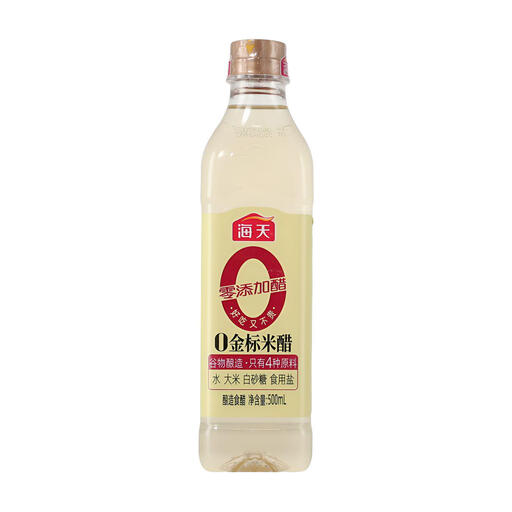
Why this product suits this profile: The 500 ml bottle is a manageable size for trying rice vinegar in your first recipes, as well as for salads, dips and stir-fries. According to the product information, it contains water, rice, sugar and salt.
The ingredients list is short, and the rice content is stated as 11%. This makes it easier to compare with varieties that contain extra flavourings or acidity regulators.
500 ml; 14 kcal per 100 ml according to the nutritional information; suitable for hot and cold dishes.
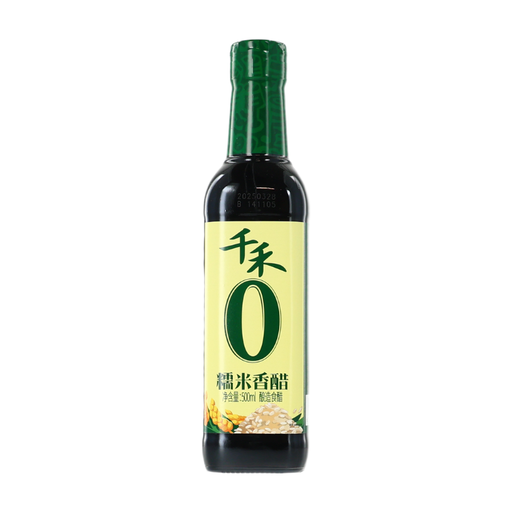
Why this product suits this profile: According to the product information, traditional solid-state fermentation using glutinous rice creates a softer, aromatic flavour profile for cold dishes, dips and marinades.
The ingredients list names water, glutinous rice and salt. This gives you a clearer idea of what shapes the flavour, rather than relying on general marketing claims.
20% glutinous rice according to the label; 500 ml; refrigerate after opening according to the product information.
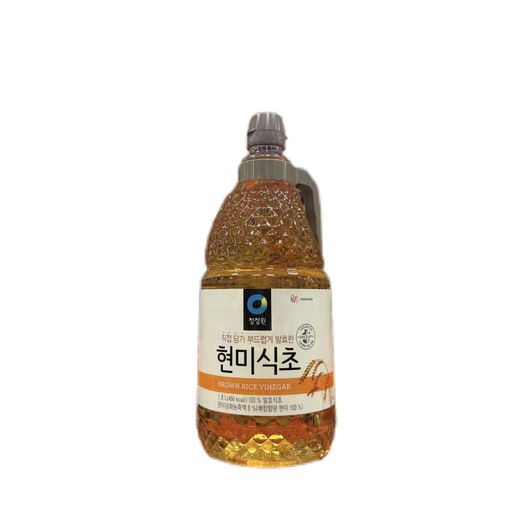
Why this product suits this profile: According to the product information, the large 1.8-litre bottle is intended for households that use rice vinegar regularly, as well as for food service. Suggested uses include sushi rice, salad dressings, marinades and everyday cooking.
A large bottle only makes sense if you cook regularly. Estimating how much you’ll use beforehand helps you avoid buying more than you need.
1.8 litres; mild acidity according to the product information; suitable for sushi, dressings, marinades and vegetable dishes.
A light, mild rice vinegar is usually used for sushi rice. Look for an acidity level and ingredients list that suit your recipe. A pre-sweetened sushi dressing is not the same as pure rice vinegar, so you’ll need to adjust the amount accordingly.
The best-before date is printed on the packaging. Store unopened bottles in a cool, dry place away from direct sunlight. After opening, follow the manufacturer’s instructions; some products are best kept in the fridge. Check for any changes in smell, colour or packaging before use.
Yes, as long as its flavour and acidity work with the salad. Light Chinese varieties are often suitable for dressings and dips. Dark or aged Chinese vinegar can have a much stronger flavour, so start with a small amount.