
Lieferung heute & morgen

Qualitätsgarantie

Willkommens-Angebote freischalten: KOSTENLOSE Lieferung | Bis zu 80 % RABATT | Kostenlose 30-Tage-JoyPlus-Testphase
App herunterladen
If you’re looking to buy Riesling white wine online, you’ll find a wide selection from Germany and other wine regions. However, there are clear differences between dry, medium-dry, medium-sweet, alcohol-free, organic and vegan wines. Eye-catching packaging or a well-known brand alone won’t tell you whether a wine suits your taste, the occasion or the food you plan to serve with it.
This buying guide will help you make sense of product information and avoid common purchasing mistakes.
A Riesling can smell of peach, apricot, apple or citrus fruit and still be made in a dry style. Fruity aromas don’t automatically mean a high residual sugar content. Look for the terms dry, medium-dry and medium-sweet, as well as residual sugar and acidity details where available.
A case of dry Riesling 6x0.75 l contains 4.5 litres in total. That’s handy for regular enjoyment or a celebration, but may be too much if you only drink wine occasionally. Individual 0.75-litre bottles are better for trying a wine for the first time. For larger gatherings, 3-litre bag-in-box products are another option. Once opened, follow the storage instructions on the label.
“Organic” and “vegan” are different claims. For an organic Riesling, look for an EU organic control code or an equivalent certification. Vegan means that no animal-derived fining agents were used during production. A wine does not automatically have to meet both criteria. Many wines also contain sulphites, which must be labelled as an allergen.
A German Riesling may come from regions such as the Mosel, Rheinhessen, Pfalz or Saar. Origin is an objectively verifiable product detail and offers an initial guide to the wine’s style. If you’re specifically looking for Riesling wine from Germany, check the country of origin and the region stated.
The grape variety should be explicitly named as Riesling. For blends such as Riesling and Pinot Gris, check the composition if you want a wine made exclusively from Riesling grapes.
Alcohol content is given as a percentage by volume. The selection includes, for example, 9.5% vol. for a medium-dry Bree Riesling, 11% vol. for Rotwild Riesling Semi-Dry and 12.5% vol. for III Freunde dry Riesling. An alcohol-free product such as Kolonne Null Riesling is listed at 0.0% vol.
However, alcohol content is not a substitute for checking the sweetness level. A wine with a moderate alcohol content can be medium-sweet, dry or medium-dry. For a more informed choice, consider both details together.
A standard bottle holds 0.75 litres. For multipacks, check the total volume. A screw cap makes the bottle easy to reseal, while a natural cork is part of the product’s style for some wines. Many Riesling wines are recommended to be served chilled, at around 9 to 12 °C; the producer’s specific guidance should take precedence.
The recommendations below group specific products by intended use, pack size and listed product features.
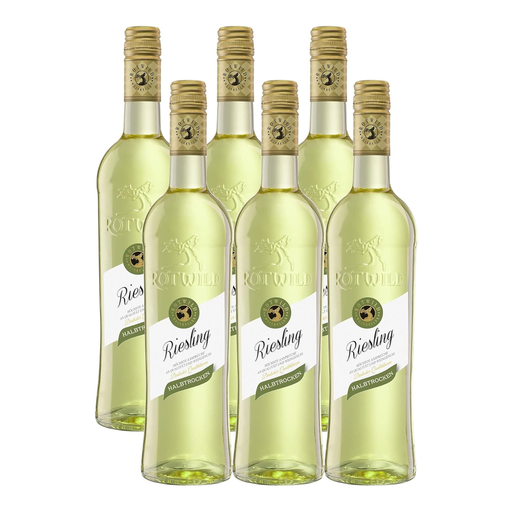
Why this product suits this profile: The six-bottle pack gives you six standard bottles for sociable evenings or regular enjoyment. Its medium-dry style and 11% vol. alcohol content are clearly stated.
The sweetness level isn’t conveyed through fruit descriptions alone; it’s explicitly listed as semi-dry or medium-dry. Sulphites are declared as an allergen.
Six 0.75-litre bottles, made in Germany, with a recommended serving temperature of 10 to 12 °C.
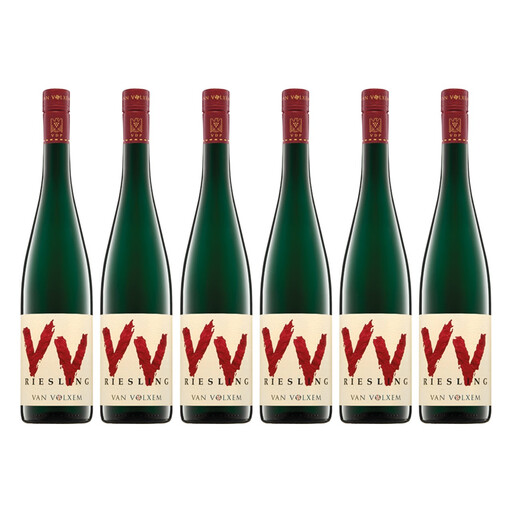
Why this product suits this profile: The product details list its origin as the Saar in the Mosel region, an alcohol content of 12% vol., six bottles and a natural cork. It’s a good option for buyers who take origin and presentation into account.
You can assess this wine by its region, grape variety, alcohol content, pack size and closure, rather than relying only on general claims about quality.
Dry Riesling from the Saar region, a natural cork and 4.5 litres in total.
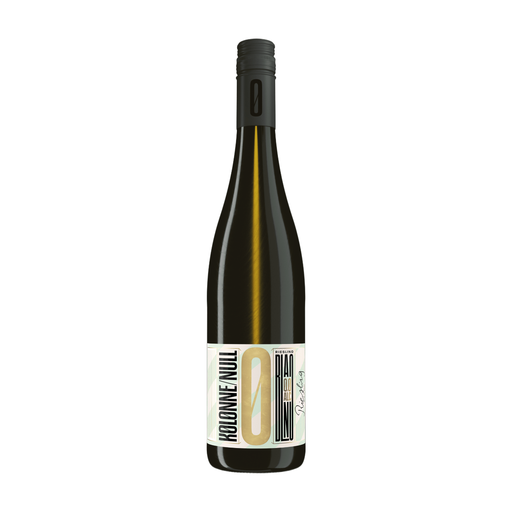
Why this product suits this profile: At 0.0% vol. and with organic control code DE-ÖKO-039, this Riesling is intended for alcohol-free occasions and considered menu planning.
The alcohol content is clearly stated as 0.0% vol. Residual sugar, acidity and sulphites are also listed in the product details.
Alcohol-free German Riesling, organic certification and a 0.75-litre bottle.
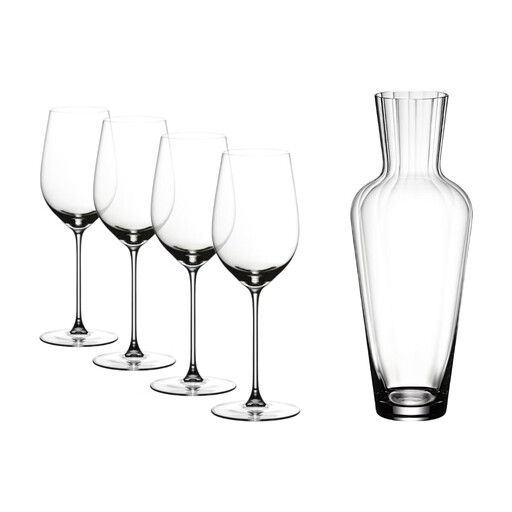
Why this product suits this profile: The set includes four Riesling wine glasses and a decanter in a gift box. It’s ideal for hosts or as an addition to a Riesling gift set.
The contents and dimensions are clearly specified: four glasses, one decanter, a glass capacity of 409 ml and dishwasher-safe components.
A complete set for four people, dishwasher-safe components and a gift box.
We’ve put together a complete, regularly updated list of products that meet these strict selection criteria and the safety regulations in force across the EU.
For Riesling food pairings, sweetness is an important starting point. Dry styles often go well with fish, poultry, vegetables, salads or pasta. Medium-dry wines can be paired with lighter meals and spicy dishes. Depending on your taste, medium-sweet wines can work well with desserts, fruit or mild cheeses.
When choosing Riesling wine glasses, a generous bowl and a tapered rim are practical features to look for. A set of four is usually more convenient for the home or small gatherings than buying individual glasses. Before you buy, check the dimensions, capacity, material and care instructions.
The price depends on factors including origin, brand, pack size, organic certification and packaging. A case of six may cost less per bottle than buying individually, but it means spending more at once. For a fair comparison, work out the price per 0.75 litres.
Once opened, Riesling should be resealed and stored in the fridge. How long it keeps depends on the product and packaging. Three to five days is recommended for many bottles. Always follow the advice on the label or in the product details.
A Riesling gift set with wine glasses and a decanter makes a thoughtful gift for a host. If you don’t know the recipient’s taste, you could choose a set with different sweetness levels or an alcohol-free Riesling instead. Alcoholic products are intended for adults of legal drinking age only and should be consumed responsibly.