
Lieferung heute & morgen

Qualitätsgarantie

Willkommens-Angebote freischalten: KOSTENLOSE Lieferung | Bis zu 80 % RABATT | Kostenlose 30-Tage-JoyPlus-Testphase
App herunterladen
Buying trainers online sounds straightforward, but it can quickly lead to ordering the wrong pair. Product images often focus mainly on appearance, while important details about fit, materials and intended use are less prominently displayed. If you decide based solely on the brand, colour or discount, you may end up with a shoe that pinches, offers too little support or is unsuitable for how you plan to use it.
As a Joybuy Product Recommendation Officer, I filter the relevant product information according to clear, practical criteria. Three common purchasing misconceptions are particularly important:
Ideally, measure both feet in the evening while wearing the socks you intend to use later. The longer foot is the one that matters. Compare the measured length with the size chart for the specific product, rather than relying solely on an EU size you have worn before.
For everyday trainers, the forefoot should not feel cramped. With running shoes and trail running shoes, a little extra room can be beneficial, as your feet may swell during prolonged activity. If you have wider feet, look for details such as “Wide Toe Box”, a wider version or going up by half a size.
Synthetic materials, leather, textile and mesh behave differently in everyday use:
If you are looking for breathable shoes for warm days or longer walks, pay attention to the construction of the upper and the care instructions. An entirely airy upper is not automatically suitable for wet terrain.
A rubber sole can provide traction and resistance to abrasion, depending on the tread pattern. A flatter tread is often sufficient for everyday urban use. On woodland paths, gravel or wet surfaces, trail running shoes with a more pronounced outsole are generally more suitable.
For cushioned running shoes, the midsole specifications are relevant. EVA foam or manufacturer-specific cushioning systems can affect the shoe’s rolling motion and overall ride. Even so, a product description cannot replace an individual assessment of your feet. For occasional walks, a heavily cushioned running shoe may also be unnecessary, while a flat lifestyle trainer is usually not the right choice for regular training.
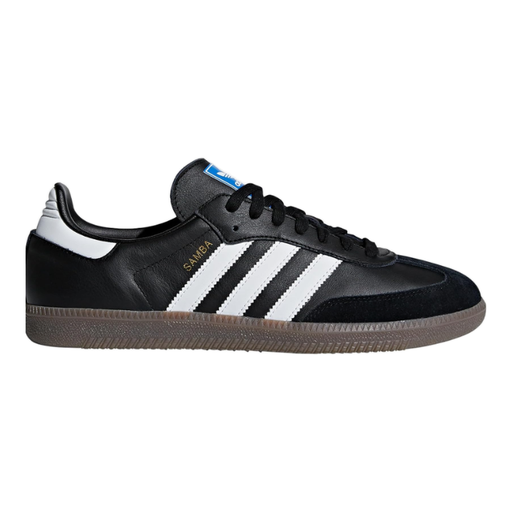
Why this product suits the profile: This low-profile, classic model is suitable for everyday wear, leisure and smart-casual office outfits. The specific product variant is listed as EU 37 1/3; check the available size and measurements on the product page before buying.
The product description specifies a low-profile upper, suede overlays and a gum sole. This makes it easier to classify the shoe as a lifestyle trainer, rather than mistakenly treating it as a running shoe.
Synthetic upper, leather details and a rubber sole; according to the product information, care involves using a damp cloth or a soft brush.
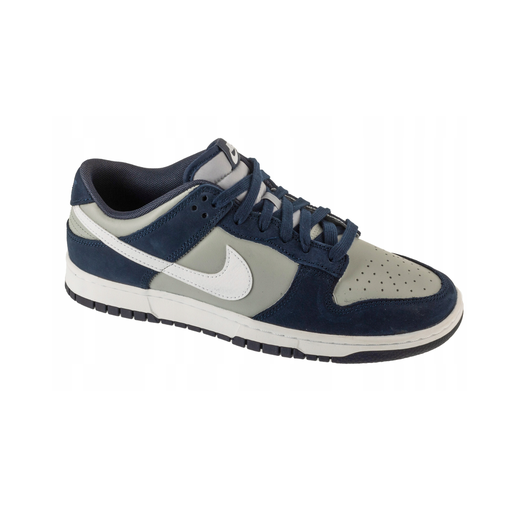
Why this product suits the profile: This model combines an everyday-friendly silhouette with a synthetic leather and textile upper. It is aimed at buyers who value a versatile look and a durable outsole.
The specifications distinguish between lifestyle and sporting use. For regular running training, however, you should choose running shoes with suitable cushioning and construction.
Synthetic leather and textile upper, padded insole and a rubber compound sole with stated traction and durability properties.
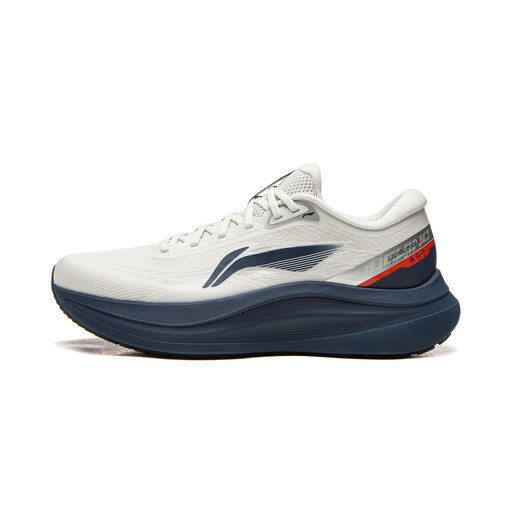
Why this product suits the profile: These running shoes are designed for active buyers looking for cushioned construction, a roomier toe area and additional stability features.
The description mentions Tempo Bounce, a widened toe area, a heel that is 2 mm wider and a zoned rubber outsole. These specific details make it easier to assess the shoe beyond purely promotional comfort claims.
Textile and polyurethane upper, EVA foam in the outsole, plus HEEL LOC+TUFF RB for support and zoned grip.

Why this product suits the profile: This model is designed for transitions from road to trail and for changing surfaces. The EU 44 version is aimed at buyers looking for lightweight shoes with a breathable construction.
Mesh, a woven upper and an abrasion-resistant construction make the intended use clear. The ROCKYTEC rubber outsole is described as suitable for wet rocks, mud and loose sand.
EVA midsole, breathable sandwich mesh and a lugged rubber outsole; different fits are available depending on the variant.
We have put together a complete, regularly updated list of products that fully meet these strict selection criteria and the safety regulations applicable in the EU.
Measure your foot length in centimetres and compare it with the size chart for the specific model. Also pay attention to information about width, the toe area and the recommended fit. If your feet are different lengths, use the larger measurement required.
Their lifespan depends on usage, body weight, the surface they are used on, care and materials. Everyday trainers can wear out more quickly around the sole and heel when worn daily. Running shoes should be checked regularly for flattened tread, cracks, uneven wear and reduced cushioning. Without knowing how the shoes are being used, it is not possible to give a reliable fixed mileage or number of months.
For strength training and machine-based exercises, flatter, more stable shoes are often more suitable. For treadmill sessions or regular running training, running shoes with appropriate cushioning and sufficient room in the toe area are generally a better choice. Trail running shoes are designed for uneven paths and changing surfaces. The decisive factors are therefore the type of training, the surface and your personal fit – not just the brand logo.