
Lieferung heute & morgen

Qualitätsgarantie

Willkommens-Angebote freischalten: KOSTENLOSE Lieferung | Bis zu 80 % RABATT | Kostenlose 30-Tage-JoyPlus-Testphase
App herunterladen
Anyone looking to buy whisky online will quickly find a wide selection of Scotch whisky, Irish whiskey, bourbon whiskey and Tennessee whiskey. However, product names alone reveal little about whether a bottle suits your personal taste, a cocktail evening or makes a suitable whisky gift. Clear information such as origin, whisky type, maturation period, alcohol content and bottle volume is much more useful.
A longer maturation period can influence a whisky’s character, but it is not the only measure of personal taste. A 12-year-old single malt whisky may taste fruity and smooth, while a younger bourbon can develop pronounced vanilla or caramel notes from new oak barrels. So, always check the flavour profile and cask type as well.
The term premium whisky does not automatically describe a single legally defined quality category. Specific details are more informative: single malt or blend, region of origin, cask maturation, alcohol content and bottling volume. Awards and brand claims should not be considered in isolation either.
The standard size of 0.7 litres is suitable for home use and many gifting occasions. By contrast, 0.05-litre miniatures are practical for tasting, gift sets or as a small token. Value packs can be useful for long drinks and larger gatherings, but they often also contain alcohol-free mixers. So, compare the actual contents of the complete set.
Many bottles have an alcohol content of 40% vol. This strength is common among many classic whiskies and works well for drinking neat as well as in long drinks and cocktails. Some bottlings are stronger, such as Ardbeg 10 Year Old at 46% vol. A higher alcohol content does not automatically mean that the whisky will suit you better. However, it can affect the intensity of the flavour and how the whisky responds to the addition of water.
Look for details such as bourbon cask, sherry cask, American oak or French Limousin oak. This information can help you narrow down your choice:
If you want to buy 0.7-litre whisky, you should also check that the closure, origin details, alcohol content and net volume are clearly stated on the product page.
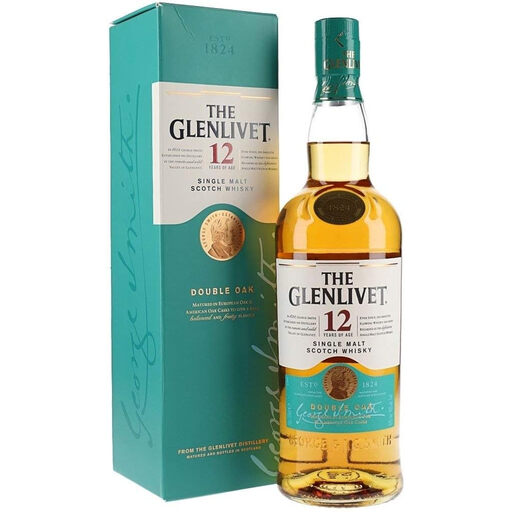
Why this product suits the profile: This single malt is described as having a smooth, fruity profile with notes of peach, pear and pineapple. The 0.7-litre bottle offers a manageable option for those starting out.
The profile highlights specific flavours and the whisky type instead of relying solely on a general quality label.
0.7 l capacity, 40% vol. and double-oak maturation according to the product details.
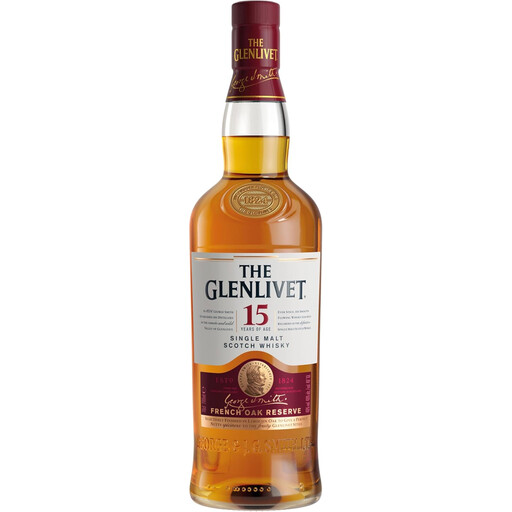
Why this product suits the profile: The product description mentions intermediate maturation in French Limousin oak casks, along with spicy and fruity notes. This makes the bottle suitable for enthusiasts who want to compare cask details carefully.
The maturation period is considered alongside the cask type, volume and alcohol content, rather than being used as the sole reason to buy.
Single malt, 15-year age statement, 0.7 l and 40% vol. according to the product data.
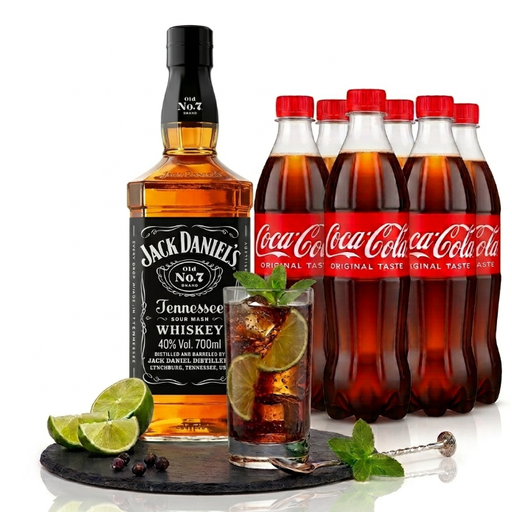
Why this product suits the profile: This set combines a 0.7-litre bottle of Tennessee whiskey with six bottles of Coca-Cola, making it ideal for long drinks or social gatherings.
The contents clearly show the full purchase, so you do not need to plan for additional mixers separately.
40% vol., 0.7 l whiskey and six bottles of Coca-Cola according to the product description.
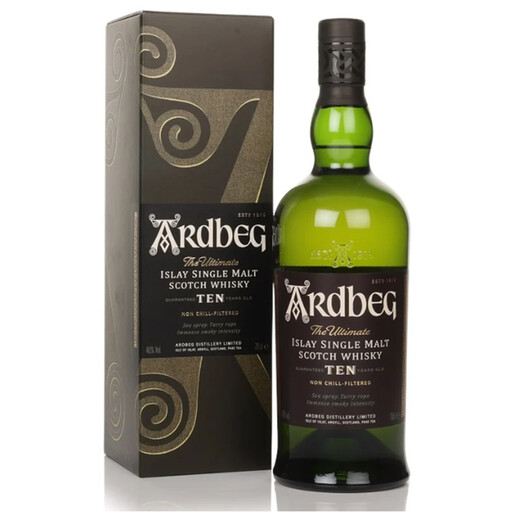
Why this product suits the profile: This Islay single malt is described as having notes of smoke, peat, citrus and chocolate. Its alcohol content of 46% vol. sets it apart from many classic 40% bottlings.
The distinctly smoky profile is clearly stated. This helps prevent you from accidentally buying a peaty bottle for someone who prefers mild flavours.
0.7 l, 46% vol., 10-year age statement and no added colouring according to the product data.
We have put together a complete, regularly updated list of products that fully meet these strict selection criteria and the safety regulations applicable in the EU.
When choosing a whisky gift, you should consider the recipient’s taste as far as possible. A smooth single malt or Irish whiskey is often easier to choose than a heavily peated Scotch. Blended Scotch whisky, bourbon or Tennessee whiskey are well suited to cocktails and long drinks. Anyone who wants to explore different styles can consider miniatures, such as the set with ten 0.05-litre bottles.
After purchase, the bottle should be stored upright, in a cool, dry place and protected from direct sunlight. Whisky does not need to be kept in the fridge. Once opened, use a tightly sealed closure to minimise the amount of air and unwanted aromas entering the bottle.
Smooth, fruity profiles such as The Glenlivet 12 Year Old, or approachable Irish whiskey bottlings, can be a sensible starting point. Personal preference remains the deciding factor: if you do not like smoke, avoid peated Islay bottlings.
When stored upright and protected from light, whisky can be kept for a long time. However, its flavour may change after opening due to contact with oxygen. It is therefore not possible to give one general, fixed shelf life for every bottle.
40% vol. whisky is often used in cocktails, highballs and long drinks. A classic bourbon, Tennessee whiskey or blended Scotch whisky can work well in an Old Fashioned, Whiskey Sour or a combination with cola. Alcohol should only be consumed by adults of legal drinking age and always responsibly; it is not suitable for pregnant women.