
Lieferung heute & morgen

Qualitätsgarantie

Willkommens-Angebote freischalten: KOSTENLOSE Lieferung | Bis zu 80 % RABATT | Kostenlose 30-Tage-JoyPlus-Testphase
App herunterladen
Anyone looking to buy whisky online will quickly find a wide range of Scotch, Bourbon and Irish Whiskey. That choice can make the decision more difficult: the brand name, bottle design and terms such as “premium” alone reveal little about whether a bottle suits your taste, the occasion or the cocktail you have in mind.
As Joybuy Product Recommendation Officer, I filter the most important selection criteria and put them into practical context. This helps you avoid common poor purchases.
A longer maturation period is a verifiable parameter, but it does not automatically guarantee a particular taste. A Whisky 18 years may have pronounced oak and vanilla notes, while a Whisky 10 years can offer plenty of character through smoke, spice or fruitiness. What matters is whether the flavour profile matches your personal taste.
Single Malt Scotch Whisky comes from Scotland and is made from malted barley at a single distillery. Blended Scotch Whisky combines different malt and grain whiskies. Bourbon Whiskey is produced in the USA and typically contains a high proportion of corn. Irish Whiskey is often triple distilled, while Tennessee Whiskey may also be shaped by a charcoal filtering process.
The spelling can also provide a clue: “Whisky” is generally used in Scotland and Ireland, while “Whiskey” is common in the USA. However, it says nothing about quality on its own.
Whisky 0,7 l is a common standard size. For sets containing miniatures or mixers, you should check how much of the contents is actually whisky. Alcohol content is equally important: many products in this selection are 40 % vol., although individual bottlings may be stronger. Check the information on the product page against the label before buying.
For choosing a bottle, the stated profile is often more helpful than a promotional brand description:
If you plan to drink whisky neat, pay closer attention to the cask type, maturation period and finish. For whisky for cocktails, a clear base profile and suitable alcohol strength are usually more important than a lengthy age statement.
For whisky, an age statement generally refers to the maturation period of the youngest whisky included. A Whisky 12 years is therefore not automatically made up exclusively of whisky matured for twelve years. Nevertheless, the age statement remains a useful point of comparison for single malts and many blends.
Cask details can provide further clues. French Limousin oak, sherry casks, bourbon casks or double-charred casks all influence flavour and colour. Descriptions such as “complex” or “smooth” should therefore be checked against specific information about the maturation period, cask type and tasting notes.
Whisky is essentially made from distilled grain, water and yeast. Depending on the product, colourings such as caramel colour or information about sulphites may be listed. Anyone with intolerances should check the product’s specific labelling rather than relying solely on general statements about distillation.
After purchase, store the bottle upright, somewhere cool and dry, protected from direct sunlight. An unopened bottle of whisky normally does not need to be refrigerated. Once opened, it should remain tightly sealed, as air and significant temperature fluctuations can affect the flavour over time.
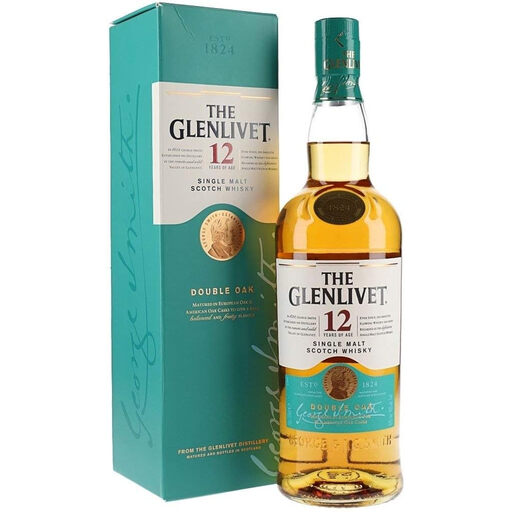
Why this product suits the profile: The 0,7-litre bottle combines a mild, fruity profile with a clear age statement, making it a good introduction to Single Malt Scotch Whisky.
The choice is based on bottle size, maturation period and stated flavour profile rather than packaging claims alone.
12 years of maturation, fruity-floral notes and 40 % vol. according to the product details.
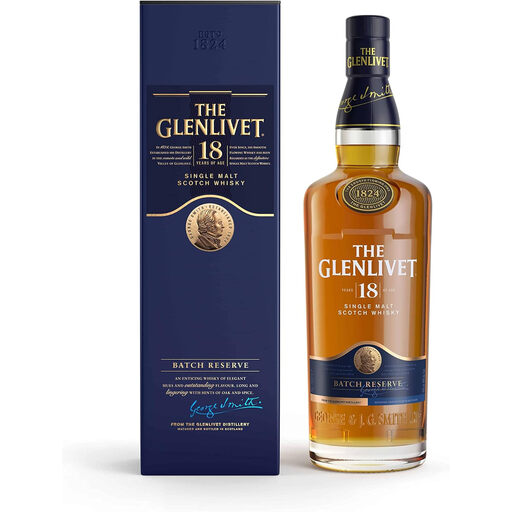
Why this product suits the profile: This bottling is aimed at buyers looking for a longer maturation period and a more complex profile with pronounced oak and fruit notes.
The 18-year maturation period and the described oak, vanilla and malt notes are specific, verifiable points to consider when choosing.
Single Malt Scotch Whisky, 0,7 litres and, according to the product description, a long-lasting, lightly malty finish.
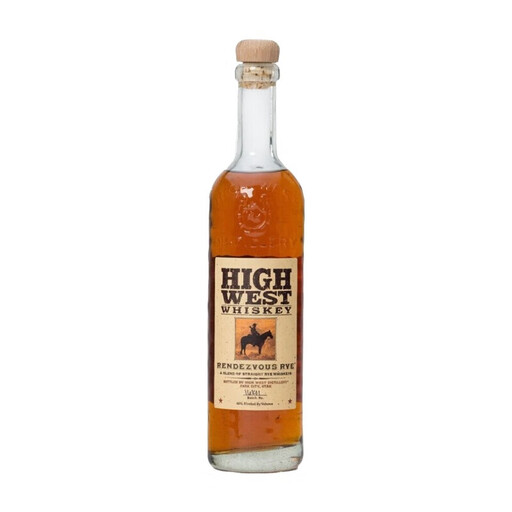
Why this product suits the profile: The spicy rye profile, with cinnamon, mint, vanilla and caramel, is well suited to full-flavoured drinks and experienced whiskey drinkers.
Clearly identifying it as Rye Whiskey prevents buyers from mistakenly expecting a mild, lightly spiced profile.
0,7 litres, US rye whiskey and a described spicy-sweet flavour spectrum with a long finish.
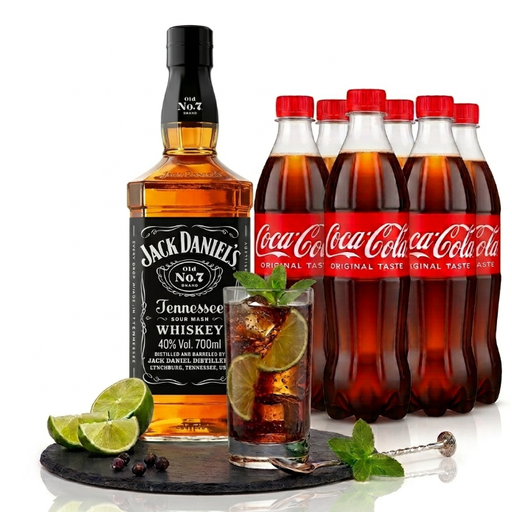
Why this product suits the profile: The set combines a 0,7-litre bottle of Tennessee Whiskey with six bottles of cola, making it ideal for long drinks such as Jack & Coke.
The contents clearly show that this is a drinks set rather than a single bottle of whisky.
Tennessee Whiskey at 40 % vol. plus a clearly specified mixer selection.
We have put together a complete, regularly updated list of products that fully meet these strict selection criteria and the safety regulations applicable in the EU.
A mild, fruity Single Malt Scotch Whisky or an approachable Irish Whiskey can be a good place to start. The Glenlivet 12 Year Old and Jameson Whiskey are among the products with clearly described fruity or mild profiles. If you are not used to smoke and peat, choose a less smoky bottling to begin with.
Because of its alcohol content, whisky does not have the short typical shelf life of fresh food. Once opened, however, its flavour and aroma can change through contact with oxygen. The bottle should be stored upright, tightly sealed and protected from light and heat. When the fill level is low, there is more air in the bottle, making changes in flavour more noticeable.
The price depends on factors including the brand, origin, maturation period, cask type, bottling strength and contents. Greater age or a well-known brand is not, on its own, proof that a bottle is right for you. For a meaningful comparison, first check the bottle size, alcohol content, whisky type and flavour profile, then compare the price per 0,7 litres.
Alcoholic drinks may only be sold in Germany to people aged 18 or over. Alcohol should be consumed responsibly; it should be avoided during pregnancy and breastfeeding.