
Lieferung heute & morgen

Qualitätsgarantie

Willkommens-Angebote freischalten: KOSTENLOSE Lieferung | Bis zu 80 % RABATT | Kostenlose 30-Tage-JoyPlus-Testphase
App herunterladen
A C-shaped side table is a smart solution for anyone looking to combine functionality and design in a compact space. Whether as a convenient surface for your laptop on the sofa, a slim coffee table, or a flexible bedside table, its shape allows it to be slid under sofas or beds to save space. However, not every model lives up to its promise. Before you make a decision, it's important to be aware of common weaknesses that can severely limit its everyday usefulness.
The market offers a wide selection, but many products have design flaws that only become apparent after purchase. Pay close attention to these three points to avoid making the wrong choice.
To avoid the problems mentioned above, you should check three essential features before buying. These define the quality and real-world usability of a C-shaped side table.
The frame is the table's foundation. A metal side table generally offers the necessary stability. Look for powder-coated steel. This finish is significantly more robust and scratch-resistant than a simple paint job. The design of the base is also relevant: a wide, flat base ensures a secure footing, even on carpets. Check the manufacturer's specified maximum load capacity to ensure the table is suitable for your intended use, such as a laptop table for the sofa.
Measuring is essential. Before you start your search, note down three measurements:
A C-table is more than just a surface. Its design should complement your decor. Models in the industrial design style, which combine a wood-look top with a black metal frame, are currently in high demand and fit well into modern interior styles. Also, consider whether the table should be multifunctional. Thanks to their narrow shape, some models also work well as an alternative bedside table or as a slim coffee table in small living rooms.
Here are some recommendations tailored to different user profiles and requirements.

Why it's a good fit: Perfect for daily use in smaller apartments. The C-shape is the central feature here, allowing the table to be pulled directly over the sofa's seating area—ideal for a laptop, snacks, or drinks.
The powder-coated metal frame and a specified load capacity of 10 kg address the stability problem. The clear dimensions (45×25×63.5 cm) allow for precise checking against your own furniture to avoid the compatibility trap.
According to the manufacturer, the melamine-laminated tabletop is scratch-resistant and water-repellent, making it more resilient against everyday wear and tear.
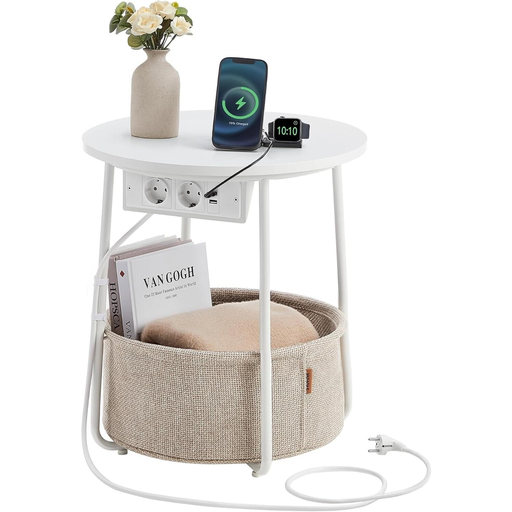
Why it's a good fit: For users who prefer a cohesive, minimalist design and are looking for a stationary surface next to the sofa. Here, aesthetics take precedence over the slide-under function.
As a classic side table with four legs, this model bypasses the typical stability risk of the C-shape. The sturdy metal frame ensures a solid stand. It's an alternative solution for a similar need.
The clean, understated design in beige blends seamlessly into modern and Scandinavian interior styles. Its compact dimensions make it versatile.
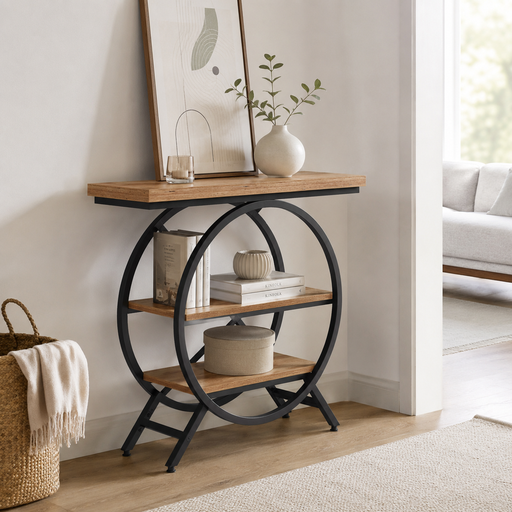
Why it's a good fit: An alternative for users with a freestanding sofa who need a wide surface behind the couch. Ideal for decorations, lamps, or as a room divider in larger living areas.
This console table is not designed to slide under furniture, thereby avoiding the specific challenges of the C-shape. Its construction with a geometric metal frame is designed for high stability and load capacity.
Offers a great deal of storage space with three staggered tiers and a 100 cm wide tabletop. The adjustable feet ensure a stable stand even on uneven floors.
We have compiled a complete, up-to-date list of products that fully meet these strict selection criteria and UK safety regulations.
Ideally, the tabletop should be about 2 to 5 cm higher than the seat of your sofa or the top of your mattress. This allows for ergonomic and comfortable use without you having to bend over or stretch. Measure the height of your furniture carefully before buying.
Most models are designed to support the weight of standard laptops. Pay attention to the manufacturer's specified maximum load capacity, which is typically between 5 and 15 kg. For heavy gaming laptops or if you want to place multiple devices on it at once, you should choose a model with a higher load capacity and an especially sturdy metal frame.
Yes, as a rule, they are very low-maintenance. The typical combination of a metal frame and engineered wood panels with a melamine coating is durable and easy to clean with a slightly damp cloth. Avoid using harsh cleaning agents to protect the surfaces in the long run.