Batch cooks
If you’re cooking cabbage soup for several meals, compare the usable capacity with the maximum fill level. Rommelsbacher and Tefal specify separate usable capacities for the models mentioned here.


Choose a multicooker based on the amount of soup you can actually make and a spot where steam can escape safely. A pressure multicooker is a good fit if cooking time is your priority; a model without pressure cooking may suit you better if you want to check the soup and adjust the seasoning as it cooks. Before buying, check the instructions, the maximum fill level and the conformity documents for the specific appliance.
If you’re cooking cabbage soup for several meals, compare the usable capacity with the maximum fill level. Rommelsbacher and Tefal specify separate usable capacities for the models mentioned here.
If you share worktops and wall cupboards, you’ll need a suitable place for the appliance and somewhere for the steam to escape. Russell Hobbs warns in the Cook@Home instructions against using it close to or underneath shelves and cupboards.
If you want to keep the use of shared pans and washing-up to a minimum, check whether the specific model can brown, cook and handle the cleaning of its individual parts. Tefal and Russell Hobbs list these features for certain models.
For cabbage soup in a shared kitchen, the main things to consider are usable capacity, a safe place for the appliance and escaping steam, the right cooking method and how much cleaning is involved.
| What matters | What to check before buying | Who should pay particular attention |
|---|---|---|
| Usable soup capacity | Compare the number of portions, stated usable capacity and fill limit for your chosen cooking method. | If I’m batch cooking for several meals, all the vegetables and stock need to fit below the permitted fill line. Around 33 % of consumers say portion capacity is their main concern. |
| Positioning and steam | Measure the space available and the clearance above the appliance; follow the instructions on positioning and releasing pressure. | In a shared kitchen, I need a spot where escaping steam won’t put other people, cupboards or cables at risk. Around 27 % of consumers pay particular attention to having a safe place for the appliance. |
| Cooking method and steps | Check whether the exact model supports pressure cooking, cooking or simmering and, where applicable, browning. | If I want to adjust the seasoning or keep an eye on the cooking, it matters whether the appliance lets the soup simmer uncovered or stays sealed during pressure cooking. Around 20 % of consumers say the cooking method is their main concern. |
| Cleaning and shared use | Check the care instructions for the pot, lid, seal and accessories separately. | After cooking, I want to make the shared kitchen available again quickly, so it matters which parts are easy to clean. For around 20 % of consumers, cleaning is the main consideration. |
The pot’s total capacity can differ considerably from its usable capacity. Rommelsbacher lists a usable capacity of 4 l for the MD 1000; Tefal states a usable capacity of 3.2 l for the Turbo Cuisine CY7548.
Allow for both the vegetables and the stock, and check the fill line for your chosen programme in the instructions for the exact model.
If the ingredients exceed the permitted fill level, you may need to cook in more than one batch.
You can’t check the soup or adjust the seasoning during the pressure-cooking phase. This may matter if you want to check the texture of the vegetables as they cook.
Choose based on how you like to cook: pressure cooking if cooking time is your priority, or a non-pressure cooking function if you want to make adjustments as the soup cooks.
Approval for the removable pot doesn’t automatically apply to the lid, seal, valves or electrical base.
Check the care instructions for each part separately and clean shared surfaces after cooking.
Depending on the appliance, cleaning the lid, seal and valves may take extra time.
The MD 1000 MeinHans is a pressure multicooker option for soups and cooking several portions.
The Turbo Cuisine CY7548 combines pressure cooking and browning for shoppers who want to do both in one multicooker.
The Duo and Pro Crisp ranges offer different features in pressure multicookers.
The Cook@Home 21850-56 and Good to Go 28270-56 are options for shoppers who want to make soup without a stated pressure-cooking function.
The Joybuy products below include slow cookers for slow cooking and pressure multicookers for anyone who wants to make soup under pressure.
 No image available
An option for anyone who wants to slow cook cabbage soup and keep it accessible while it cooks.
2.6 l capacity; two manual heat settings; non-stick inner pot.
 No image available
For anyone who wants to slow cook soup and also use a steaming insert.
4.1 l capacity; Micro-Pressure technology.
Steam may escape during use; follow the instructions on letting the appliance cool before opening the lid.
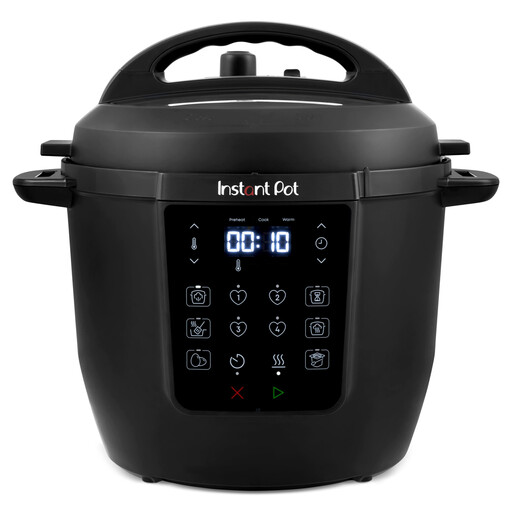 No image available
An option for anyone who wants to brown ingredients and pressure cook in the same appliance.
5.7 l capacity.
When pressure cooking, follow the model-specific instructions on releasing pressure and allowing steam to escape safely.
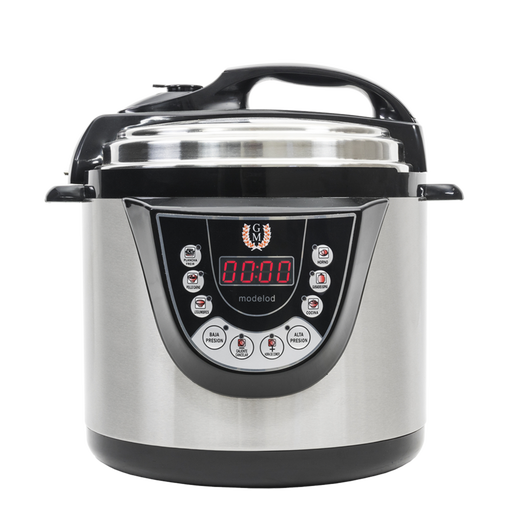 No image available
For anyone considering a soup and stock programme as well as pressure cooking.
6 l capacity; nine cooking programmes; two pressure settings; 24-hour timer.
Follow the fill line and don’t force the lid open while the appliance is under pressure.
 No image available
An option for anyone who wants to make a larger quantity of soup in a pressure multicooker.
8 l capacity; 1200 W; twelve preset programmes.
Pressure must be fully released before opening; also make sure you stay within the maximum fill line.
No. Rated capacity and the permitted fill level for pressure cooking are not the same. The Instant Pot Duo instructions allow a maximum of two-thirds of the capacity; for ingredients that expand during cooking, such as rice or dried vegetables, the limit is half. Always follow the instructions for the specific appliance.
Place it on a stable, level, suitable surface and keep the steam outlet clear. The Russell Hobbs Cook@Home instructions warn against using it close to or underneath shelves and cupboards, which escaping steam could damage. With a pressure appliance, make sure pressure can be released safely in accordance with its instructions.
A keep-warm function alone doesn’t guarantee a food-safe temperature. The German Federal Institute for Risk Assessment recommends keeping hot food at a temperature of at least 60 °C throughout. Check the temperature and make sure you have a suitable chilled storage plan for any leftovers that won’t be kept hot.
When you buy from a business seller, EU consumer rules provide a legal guarantee of at least two years from the date you receive the goods. This is separate from any voluntary manufacturer’s warranty; the same rules do not apply in the same way to purchases from private individuals.
Electrical appliances covered by the EU Low Voltage Directive must meet conformity requirements, including CE marking. Your Europe explains that the manufacturer uses the mark to declare that the product meets the relevant EU requirements; it is not a safety approval issued by a government authority. Check the marking and documentation for the specific product listing.