
Lieferung heute & morgen

Qualitätsgarantie

Willkommens-Angebote freischalten: KOSTENLOSE Lieferung | Bis zu 80 % RABATT | Kostenlose 30-Tage-JoyPlus-Testphase
App herunterladen
Finding the right Cabernet Sauvignon can be a daunting task. This grape variety is grown worldwide, resulting in wines that vary significantly based on their origin, climate, and maturation style. Whether you're looking for a robust red for a special dinner, prefer an organic wine, or want to stock your cellar, the options are vast.
This guide is designed to help you make an informed decision. We will outline objective purchasing criteria and present a selection of wines that represent different styles and origins.
To find the right wine for your taste and occasion, some basic information can be helpful.
The region where the grapes are grown has a decisive influence on the character of the wine.
More and more wineries are embracing sustainable practices. An Organic Cabernet Sauvignon is cultivated according to strict guidelines that prohibit the use of synthetic pesticides and fertilisers. Look for official seals like the EU organic logo or national certifications (e.g., FR-BIO-1 for France, CL-BIO-001 for Chile) to ensure the wine meets organic standards.
Choosing the right pack size depends on your needs.
Here you will find a curated selection of wines that cover various profiles and origins.
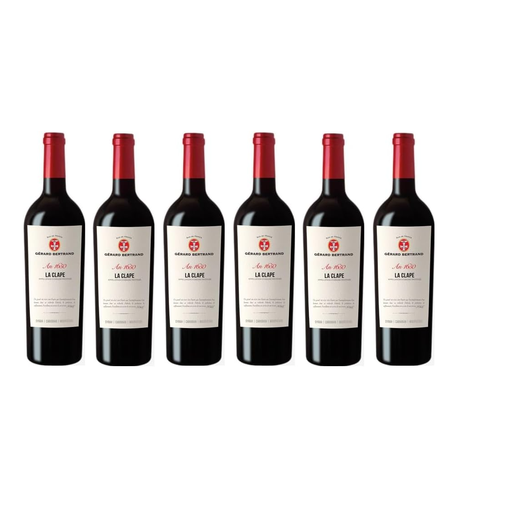
What sets it apart This wine comes from Gérard Bertrand, a winemaker renowned for his commitment to biodynamic viticulture. According to wine critic Robert Parker, the winery was awarded the "Green Emblem," an honour held by only 24 wineries worldwide. The wine is a prime example of a high-quality Organic Cabernet Sauvignon from the South of France.
Advantages
Who is it for? This wine is an excellent choice for lovers of French red wines who value organic farming and sustainability. The case of 6 is particularly appealing to those who want to have a reliable wine on hand for various occasions.
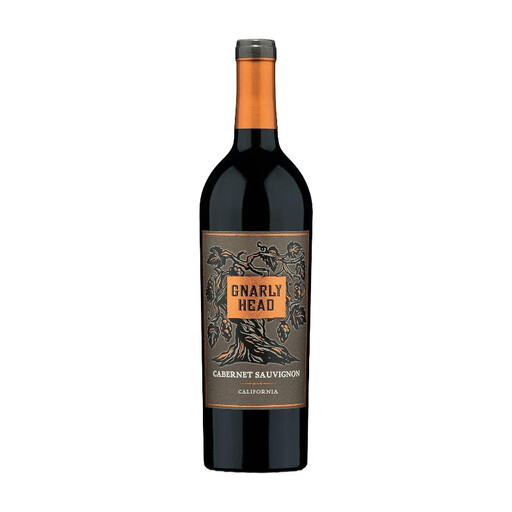
What sets it apart This full-bodied red wine from Lodi, California, owes its name to the gnarled, old vines ("Gnarly Head"). The winemaking process combines modern and traditional methods: part of the wine is aged in American and French oak barrels, while the rest remains in stainless steel tanks to preserve fresh fruit notes. The result is a wine with intense aromas and firm tannins.
Advantages
Who is it for? Ideal for anyone seeking a powerful and expressive Californian-style Cabernet Sauvignon. As a single bottle, it's perfect for getting acquainted with the wine or for pairing with a hearty meal.
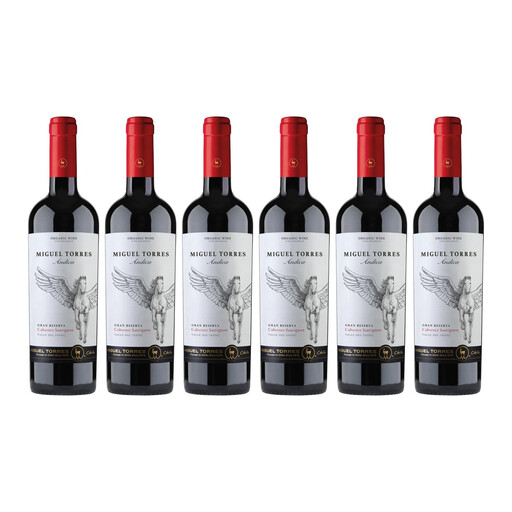
What sets it apart This Organic Cabernet Sauvignon comes from Chile's Central Valley and is produced by the Torres family, who have been pioneers in Chilean winemaking since 1979. The winery has a strong focus on sustainability and fair trade and is considered the largest Fair Trade-certified winery in Chile. The wine combines elegance with power, reflecting the region's terroir.
Advantages
Who is it for? This Cabernet Sauvignon red wine from Chile is the right choice for wine drinkers who, in addition to a fruit-forward and elegant flavour profile, also value ethical and ecological production methods.
This selection provides a starting point. However, the world of Cabernet Sauvignon is far more vast and diverse. If you wish to explore other styles, origins, or price points, you can find a broader selection in our comprehensive Cabernet Sauvignon Wine category.
Cabernet Sauvignon is a grape variety known for producing wines with high tannin content, a pronounced structure, and deep colour. Typical aromas include blackcurrant (cassis), dark cherry, and plum, as well as notes of cedar, tobacco, and sometimes green bell pepper. Due to their structure, many Cabernet Sauvignons are very age-worthy and develop complex tertiary aromas with maturation.
A full-bodied red wine like Cabernet Sauvignon pairs particularly well with equally robust dishes. The wine's tannins bind to the proteins and fats in food, resulting in a softer mouthfeel. Recommended pairings include grilled or roasted red meats (steak, lamb), stews, game, and aged hard cheeses.
To preserve the quality of a Cabernet Sauvignon, it should be stored in a cool, dark place with a constant temperature between 12 and 18°C (54-64°F). Bottles with natural corks should be stored on their side to keep the cork moist and prevent it from drying out. Wines with screw caps can also be stored upright. It is important to protect the wine from direct sunlight and significant temperature fluctuations.