
Lieferung heute & morgen

Qualitätsgarantie

Willkommens-Angebote freischalten: KOSTENLOSE Lieferung | Bis zu 80 % RABATT | Kostenlose 30-Tage-JoyPlus-Testphase
App herunterladen
A broken or lost USB-C cable can quickly bring your digital life to a standstill. However, a quick replacement purchase often turns out to be a mistake. Many cables available on the market don't deliver on their promises, leading to slow charging times or becoming unusable after just a few months. As your Joybuy Product Recommendation Officer, I'll help you avoid the typical pitfalls and make an informed decision based on objective criteria.
Before you add a new phone charging cable to your cart, you should be aware of two common problems that often lead to frustration and unnecessary expense.
To avoid a bad purchase, focus on verifiable technical data instead of marketing promises. Two factors are crucial for your cable's performance and longevity.
Charging power is measured in watts (W) and determines how quickly your device charges. Modern devices often require high power (e.g., 25W, 45W, or even 100W for laptops). Ensure the cable explicitly supports the charging power recommended by your device's manufacturer. The Power Delivery (PD) standard is a key term here. A Power Delivery cable can intelligently negotiate the charging power between the power adapter and the device, enabling maximum charging speeds. A cable without this specification will not be able to activate your device's fast-charging feature.
If you plan to use the cable for data transfer and not just for charging, the USB standard is critical. Many cheap charging cables are purely USB-C charging cables and only support the outdated USB 2.0 standard, with a maximum transfer rate of 480 Mbit/s. Transferring large files, like videos or backups, becomes a test of patience.
A high-quality USB-C data cable should support at least USB 3.1 (up to 5 Gbit/s) or higher to ensure fast and efficient data exchange. Check the product description carefully for this information.
Based on these objective criteria, we have identified a few models suitable for different user groups.
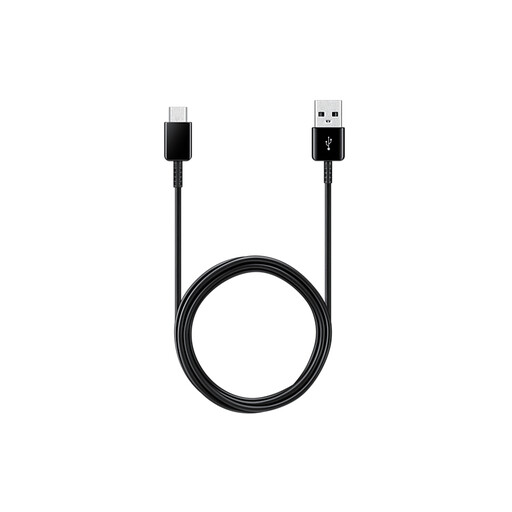
Why it's a great fit: Ideal for users who need a reliable charging and data cable for their smartphone and still have many power adapters or computers with a classic USB-A port. It offers solid charging performance for daily use.
This cable from an established manufacturer doesn't promise exaggerated charging speeds but delivers reliable performance (up to 3A). It avoids the trap of misleading "fast-charging" advertising with clear, realistic specifications.
The length of 1.5 meters offers more flexibility than standard cables. Its compatibility with USB-A ports makes it a versatile companion for home and office use.
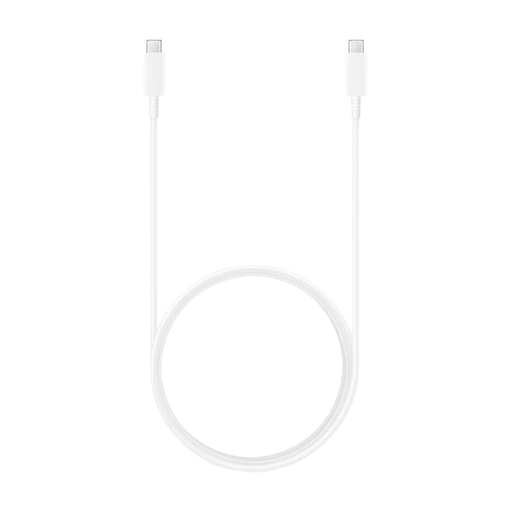
Why it's a great fit: Perfect for users who need maximum performance for modern devices like laptops, tablets, and high-end smartphones. This cable is designed for the most demanding charging requirements.
It bypasses the "fast-charging" lie with a clear specification: according to the manufacturer, it supports Power Delivery up to 100 watts (20V, 5A). This is a verifiable claim that ensures true fast charging for compatible devices.
The high charging power of 100W makes it future-proof and capable of powering even energy-hungry laptops. The generous length of 1.8 meters significantly enhances convenience at your workspace.
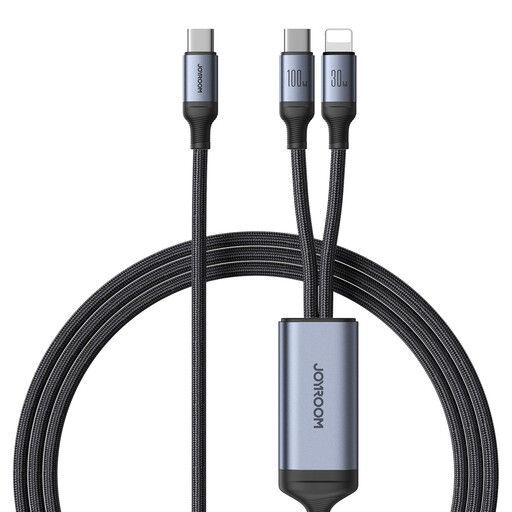
Why it's a great fit: The solution for anyone who uses both Apple devices with a Lightning port and modern Android devices or laptops with USB-C. It reduces cable clutter when travelling or at your desk.
Instead of buying multiple potentially inferior cables, this one offers a robust 2-in-1 solution. It avoids the pitfall of poor workmanship by using durable materials and a resilient construction, according to the manufacturer's specifications.
The 2-in-1 functionality (USB-C and Lightning) offers maximum flexibility. The specified charging power of up to 100W (on the USB-C port) makes it a powerful all-in-one solution.
We've compiled a complete, up-to-date list of products that fully meet these strict selection criteria and safety regulations.
You can identify a good fast-charging cable by its technical specifications, not its advertising slogans. Look for an explicit statement of the supported charging power in watts (W) and compatibility with charging standards like Power Delivery (PD). Robust materials and reinforced strain relief at the connector are also visible signs of quality.
In theory, yes, the connector will fit. In practice, however, it's not recommended. A basic charging cable cannot activate your laptop's fast-charging function. Conversely, a high-quality 100W cable can charge an older phone, but the speed will be limited by the phone itself. For optimal performance, the specifications of the cable, power adapter, and device should be matched.
The lifespan depends heavily on the quality of construction and how it's used. Cheap cables can fail after just a few months due to material fatigue. High-quality cables with a nylon braid and sturdy strain relief can last for several years with normal use. Careful handling, such as not bending the cable sharply or pulling on the connector, will significantly extend its lifespan.