Hosts welcoming several coffee drinkers
You want to prepare several servings of coarsely ground coffee with as few interruptions as possible, so you’re comparing grinding capacity and ease of use.


Choose a burr grinder with a clearly stated coarse setting for cafetière coffee, and check how much coffee you can actually grind at a time. If you’re making several servings and want to minimise effort, an electric grinder is an obvious choice. For smaller amounts now and then, a hand grinder could work well if you’re happy to grind in several batches.
You want to prepare several servings of coarsely ground coffee with as few interruptions as possible, so you’re comparing grinding capacity and ease of use.
You tend to grind smaller amounts and are wondering whether a hand grinder will be enough, even if it takes several batches.
You want to use the same grinder for other brewing methods as well as a cafetière, so you’ll need suitable settings on the specific model.
If you’re making cafetière coffee for guests, first compare the stated grind settings and the amount you can comfortably grind. Ease of use and cleaning can then help you choose between models.
| What matters | What to check | Who is it important to? |
|---|---|---|
| Coarse grind setting | Look for a clearly stated French press or coarse setting; a high number of grind settings alone doesn’t guarantee a suitable range. | When I make coffee in a cafetière, I want to be able to identify the coarse range on the model, rather than infer it from a large number of settings. Around 36% of consumers say grind size is their main concern. |
| Grinding enough for guests | Compare the total amount you plan to make, the bean hopper and the grounds container separately; a cup selector doesn’t tell you the capacity in grams. | When friends come over, I want to prepare the amount I need in as few batches as possible. Around 29% of consumers say capacity for guests is the deciding factor. |
| Ease of use and space | Consider whether a hand crank or the need for a power socket better suits your kitchen space and how often you have guests. | If I have limited space or want to grind without a power socket, I want to know whether cranking will suit the amount I need for my guests. Around 21% of consumers say ease of use is their main concern. |
| Cleaning and servicing | Check which parts of the burr mechanism are accessible for cleaning and who you can contact if something goes wrong. | If I use my grinder regularly, I want to know which parts I can clean and where to go if it develops a fault. Around 14% of consumers say care and servicing matter most to them. |
For the Rommelsbacher EKM 300, the manufacturer lists a 220 g bean hopper and a separate 120 g grounds container. These figures refer to different things, so don’t assume either one is the amount you can grind in one go.
Compare the bean hopper, grounds container and total amount you plan to make separately.
The manufacturer lists a capacity of 20 g for the Timemore C3 S Pro. Making coffee for several guests could mean filling it and turning the handle repeatedly.
Work out the total amount you plan to grind and decide how many batches you’re happy to make. Capacity may vary between other C3 versions.
The Verbraucherzentrale distinguishes between your statutory rights against the seller and a voluntary guarantee.
Keep your proof of purchase and contact the seller first if there’s a fault.
The electric Molino is worth considering if you’re looking for coarse settings for a cafetière and a cup selector.
The electric EKM 300 is an option with a conical burr, a coarse grind range and separately stated container capacities.
The electric CM800 is aimed at people who want to use one grinder for a cafetière and other brewing methods.
The hand-operated C3 S Pro could suit occasional smaller batches or anyone who wants to grind without electricity.
Here you’ll find electric and manual burr grinders. For each model, check whether its stated settings include a coarse grind suitable for your cafetière and whether its capacity is right for the amount you plan to make.
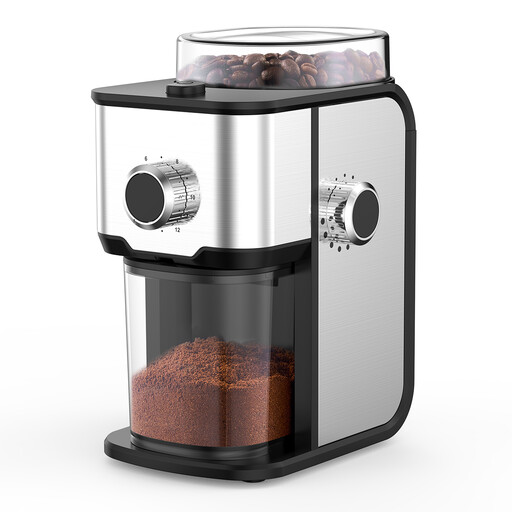 No image available
It’s worth considering for several cups if you want an electric grinder with a stated coarse French press setting.
14 grind settings; selector for 2–12 cups. The cup setting doesn’t tell you how many grams it grinds per batch.
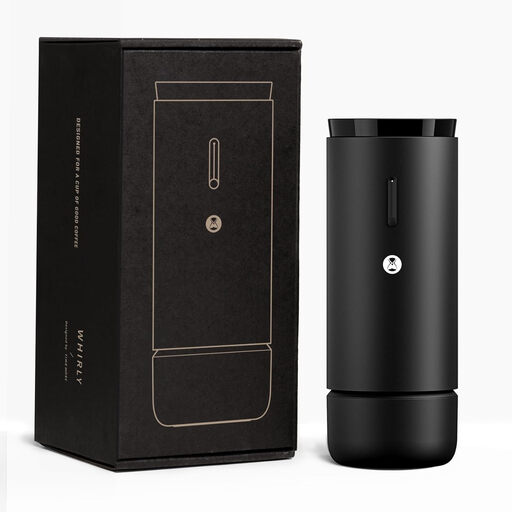 No image available
Its French press settings and electric operation could suit you if you want to grind more finely for other brewing methods too.
30 settings from espresso to French press; 50 g bean capacity; battery-powered.
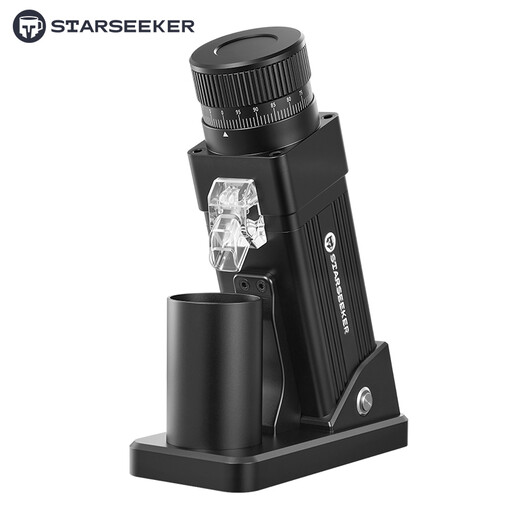 No image available
If you want to adjust the grind for different coffees, the stepless adjustment is worth noting. Check that its coarse range suits your cafetière.
55 mm titanium-alloy conical burr; 72 W AC motor; stepless fine adjustment in 0.01 mm increments.
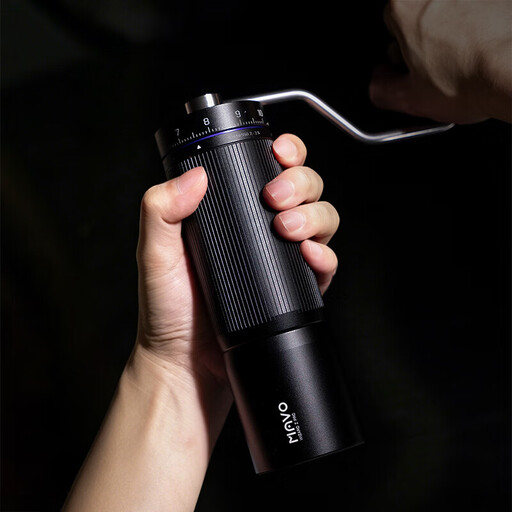 No image available
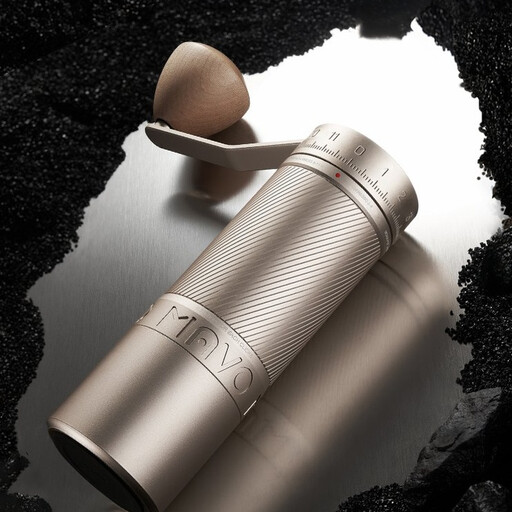
Manual operation could suit you if you want to grind without a motor and are happy to factor in the effort of turning the handle for the amount you need.
Stainless steel burrs; settings from espresso to cold brew; 100 settings per rotation.
 No image available
It’s worth considering if you want to adjust the grind manually and don’t mind putting in extra effort when making several servings.
Stainless steel burrs; settings from espresso to cold brew; 120 clicks per rotation.
If your model has a stated French press setting, start with the coarse range and adjust it to suit your coffee. According to the manufacturer, the Melitta Molino’s scale goes up to setting 17, described as ‘very coarse’; this doesn’t give you a setting number that applies to other grinders.
Rommelsbacher recommends using the brush supplied with the EKM 300. The burr housing can be taken apart for cleaning; according to the manufacturer, loose particles can be removed by carefully turning it upside down and tapping it. Follow the instructions for your specific appliance.
Your statutory rights are against the seller; a guarantee is a separate, voluntary offer. If something is faulty, the Verbraucherzentrale says you should first ask the seller to put it right by repairing or replacing it.
No. According to the Bundesnetzagentur, the manufacturer uses the CE marking to declare, under its own responsibility, that the product meets the applicable requirements. It isn’t an independent mark of coffee quality.
The Umweltbundesamt lists municipal collection points and retailers that are required to take back electrical items among the free return options. A hand grinder without electrical components isn’t covered by this guidance on waste electrical equipment simply because it’s used to grind coffee.