
Lieferung heute & morgen

Qualitätsgarantie

Willkommens-Angebote freischalten: KOSTENLOSE Lieferung | Bis zu 80 % RABATT | Kostenlose 30-Tage-JoyPlus-Testphase
App herunterladen
Whether it’s a birthday cake, cupcake buffet or homemade biscuits: cake decoration and cake glaze should look appealing, be easy to use and suit the baked goods in question. However, there are clear differences between cake glaze, cake icing, icing pens and small decorative elements. If you choose based solely on the packaging or colour claims, you can easily buy an unsuitable quantity or overlook important information about allergens and storage.
A glossy surface does not automatically mean that the coating will remain firm when sliced. Clear cake glaze is usually mixed with water or fruit juice and then boiled. A fat-based glaze, such as chocolate glaze or cake glaze, is instead warmed and spread over cooled baked goods. Both products serve different purposes.
A small sachet may be enough for a single fruit flan, while a 150-g pack of cake glaze can cover several biscuits, a cake or decorative lines. The decisive factors are not just the weight, but also the desired thickness of the layer and the size of the baked goods.
Milk, soya, egg, nuts or peanuts may be present in a product or listed as possible traces, depending on the product. Storage requirements also vary: powdered glazes are generally stored in a dry place at room temperature, whereas mochi ice cream must be kept frozen at a minimum of -18 °C. The ingredients list and packaging instructions should therefore be checked before purchase.
For fruit cakes topped with fresh or preserved fruit, a clear cake glaze is suitable when you want to retain the fruit’s natural appearance. A strawberry glaze also adds colour and strawberry flavour. For chocolate cakes, doughnuts, biscuits or éclairs, chocolate glaze, cocoa glaze or white vanilla glaze are suitable options.
Frosting and cream cheese topping are creamier and are better suited to filling and spreading over cupcakes or layer cakes. For fine lettering and outlines, icing pens or ready-to-use icing tubes are more practical than liquid cake glaze.
With powdered products, it is important to measure the liquid accurately. For example, Dr. Oetker Clear Cake Glaze Powder is prepared with one sachet, sugar and around 250 ml of cold liquid, then brought to the boil while stirring. When using tinned fruit, the amount of liquid may vary depending on the fruit. The glaze should then be spread quickly from the centre outwards.
Fat-based glazes are usually warmed in a bain-marie or at a low microwave setting. Excessive temperatures can affect the consistency. The baked goods should be cool before the glaze is applied, so that the coating does not run more than necessary.
With sugar eyes or other cake decorations, how they are attached is just as important as the design: a slightly moist glaze, cream or frosting can provide a suitable surface for securing them. Dr. Oetker Sugar Eyes Cake Decor contains, among other ingredients, sugar, gum arabic, hydrolysed milk protein and glycerine. According to the product information, it may contain egg and egg ingredients.
For families with different dietary requirements, it is worth comparing allergen information directly. Milk and soya are listed as allergens in the Little Moons mochi ice cream varieties; traces of nuts, peanuts and egg may also be present. These products are not traditional baking decorations, but they can be served as a dessert after baking.
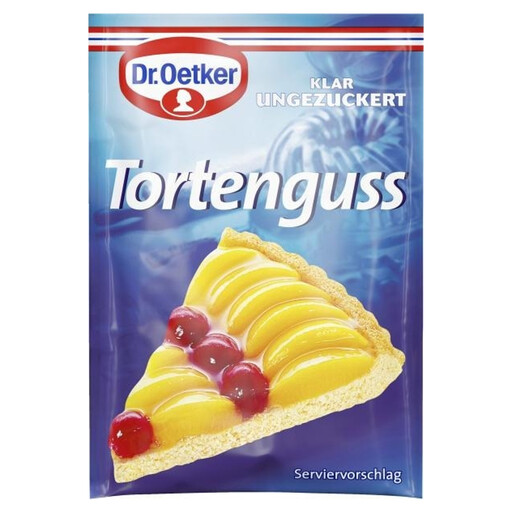
Why this product suits the profile: The three-pack contains 36 g in total and is intended for several fruit cakes. It can be prepared with water, juice or liquid from tinned fruit.
The clear formula does not significantly alter the colour of the fruit topping. The dosage guidance of one sachet per around 250 ml of liquid makes planning easier.
Colourless, vegan according to the product information and with no declared allergens.
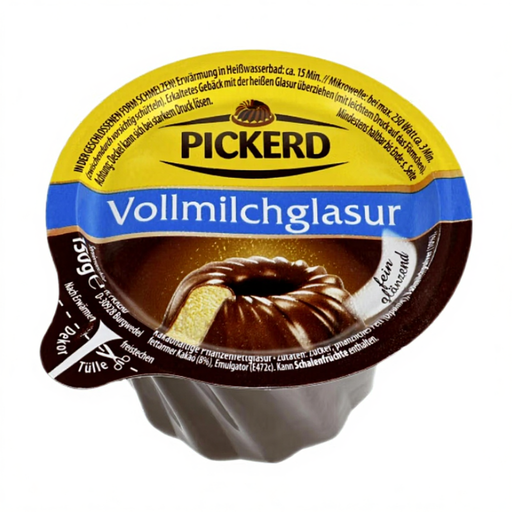
Why this product suits the profile: This glaze is intended for cakes, gateaux, biscuits and other baked goods, and is warmed in a resealable container.
The instructions specify exact timings for a bain-marie and microwave use. This reduces the risk of changing the glaze through excessive heat.
150-g portion, milk chocolate flavour and decorative pouring nozzle; contains milk and may contain nuts.
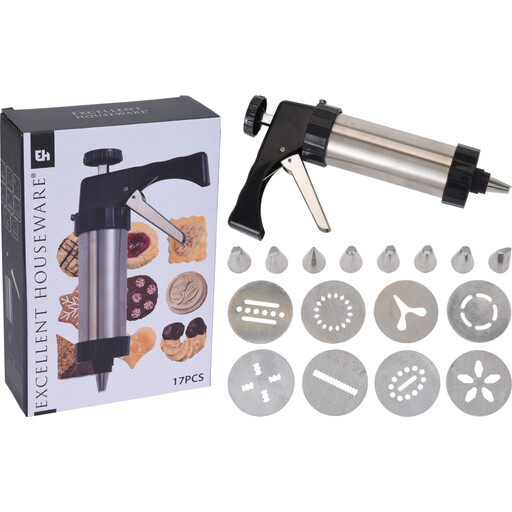
Why this product suits the profile: The set with 16 interchangeable discs supports the preparation of piped biscuits, shortbread and different shapes using icing or cream.
The interchangeable discs allow for several uses instead of relying on a single specialist attachment. Hand washing is recommended for cleaning.
Stainless steel construction, 16 shapes and a handle for controlled dispensing.
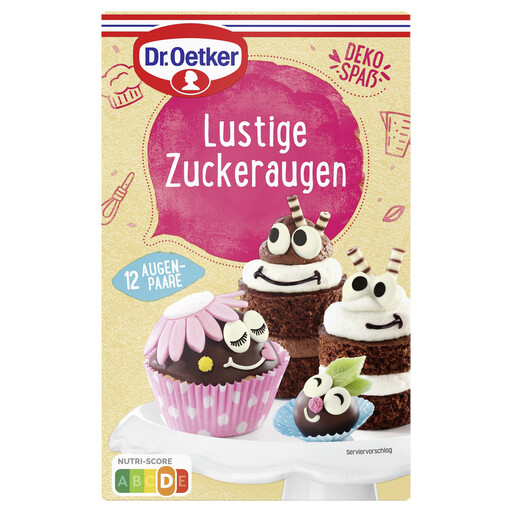
Why this product suits the profile: The 24 individual sugar eyes, with six different directions of gaze, are suitable for muffins, cake pops, biscuits and simple cupcake decorations.
The number of individual pieces and the different directions of gaze are clearly stated. This makes it easier to estimate how many are needed for a baking session.
10-g pack, six directions of gaze and versatile use on small baked goods.
For fruit cakes, Dr. Oetker Strawberry Cake Glaze Powder with three 37.5-g sachets is another suitable option. Icing pens in four colours are ideal for writing on biscuits and cakes. For a creamy surface, Dr. Oetker Cream Cheese Cake Frosting Powder can be mixed with water or milk.
If you prefer a chocolate glaze that does not require powdered preparation, Ruf Cocoa Cake Glaze 100 g is an option that can be warmed in a bain-marie or at a low microwave setting. For a light finish, options include white vanilla glaze and white icing. Before buying, compare the portion size, preparation method and allergen information for each product.
We have compiled a complete, regularly updated list of products that fully meet these strict selection criteria and the safety regulations applicable in the EU.
First mix the powder with the sugar, then slowly add the cold liquid while stirring continuously. Only heat the mixture once it is smooth. Follow the manufacturer’s instructions for the relevant quantity of liquid.
This depends on the product. Unopened glazes should be stored in a dry, cool place away from direct heat. Once opened, the packaging should be sealed tightly. Glaze that has already been warmed or prepared should be used promptly, as it sets while cooling.
Sugar eyes, icing pens and colourful cupcake decorations can be applied without specialist tools. When children have allergies, ingredients and possible traces must be checked. For safe use, small decorations should also only be used under supervision and should not be treated as toys.