
Lieferung heute & morgen

Qualitätsgarantie

Willkommens-Angebote freischalten: KOSTENLOSE Lieferung | Bis zu 80 % RABATT | Kostenlose 30-Tage-JoyPlus-Testphase
App herunterladen
Anyone looking for a calcium vitamin D supplement will find a wide range of products on the German market, including calcium tablets, vitamin D3, vitamin K, magnesium and zinc. The choice may initially seem straightforward, but different dosages and ways of taking the products can quickly make things confusing. Adults over 45 and women during or after the menopause should pay attention not only to marketing claims, but also to the exact composition.
A product may advertise “1200 mg calcium”, even though this amount is only reached by taking two or more tablets. That is why the amount per recommended daily dose is so important. You should also check the percentage of the Nutrient Reference Value (NRV). According to the product information, Doppelherz Calcium + Vitamin D3 provides 1200 mg of calcium, 10 µg of vitamin D and 80 µg of vitamin K in two tablets.
Vitamin D contributes to normal calcium absorption and the maintenance of normal bones. However, the amount included can vary considerably from one product to another. A calcium vitamin D3 K2 combination is not automatically suitable for everyone. If you already take vitamin D, vitamin K or calcium in other supplements, you should consider your total intake and seek medical or pharmaceutical advice if you are unsure.
Calcium carbonate is a commonly used calcium compound. Effervescent tablets also contain acidifiers, sweeteners and flavourings; direct granules may contain sugar alcohols such as sorbitol. This may be relevant if you have a sensitive digestive system. Allergens such as milk or soya must also be taken into account. For example, the ORIHIRO chewable tablet product contains skimmed milk powder and aspartame, making it unsuitable for everyone.
First, compare how much elemental calcium the recommended daily serving contains. Terms such as “high-dose calcium” alone do not provide a sufficient basis for assessing a product. A high content may seem useful, but it is not automatically necessary. Your individual diet, existing health conditions and other food supplements all play a role.
The German Nutrition Society specifies a daily calcium reference value of 1000 mg for adults. This figure refers to total intake from food and, where applicable, food supplements. Dairy products, calcium-rich mineral water, green vegetables and fortified foods may already provide significant amounts. You can find further information in our guide to a calcium-rich diet.
Vitamin D3 is often combined with calcium. Vitamin K contributes to the maintenance of normal bones, while calcium and magnesium are associated with normal muscle function, among other authorised nutrition and health claims. However, this does not imply an individual therapeutic benefit.
When choosing a calcium magnesium zinc combination, compare the individual amounts and the recommended intake. Magnesium oxide and magnesium carbonate, for example, are different compounds. If you take medication, do not take calcium and magnesium at the same time as medicines without consulting a healthcare professional, as minerals can affect the absorption of certain medicines.
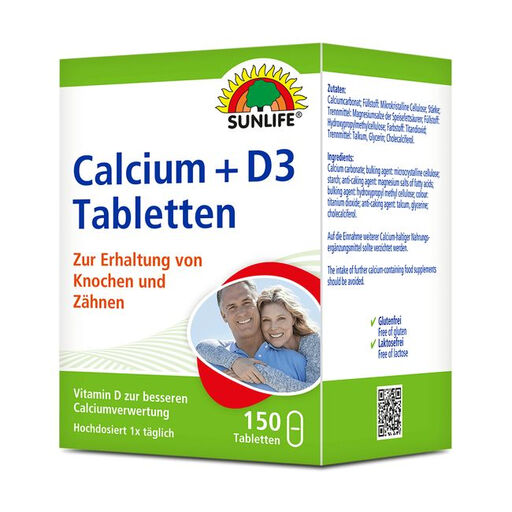
Why this product suits this profile: This combination focuses on calcium and vitamin D3, making it suitable for shoppers who initially prefer a straightforward formula.
The product description clearly states the basic combination, so an unnecessarily long ingredients list does not make comparison more difficult.
Calcium and vitamin D3 in tablet form; the product page is linked for direct price and quantity comparisons.
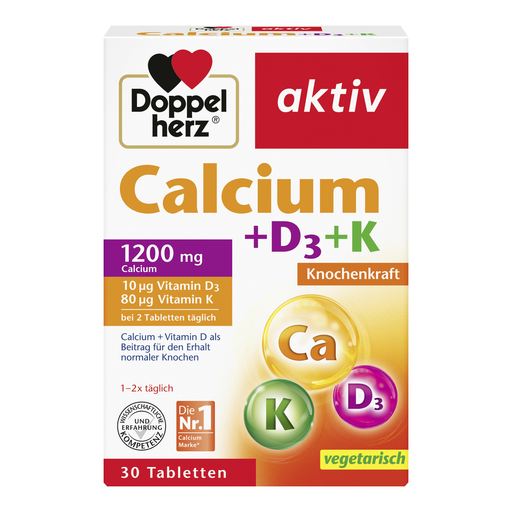
Why this product suits this profile: According to the product information, the daily dose of two tablets contains 1200 mg of calcium, 10 µg of vitamin D and 80 µg of vitamin K.
The amounts are stated by daily serving and NRV. This makes it easier to compare the actual nutritional contribution with other products.
A combination of calcium, vitamin D and vitamin K; according to the product information, it contains no allergens that require declaration.
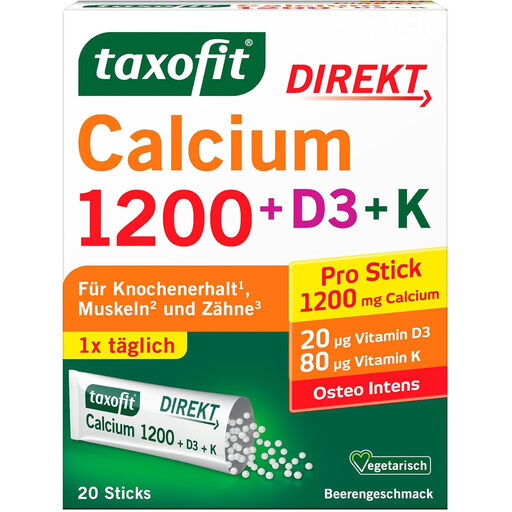
Why this product suits this profile: The direct granules are intended for adults who prefer to take a supplement without water. One pack contains 20 individual servings.
Calcium, vitamin D3 and vitamin K are listed together, while the product also highlights possible interactions with coumarin-based anticoagulants.
No-water formula, vegetarian recipe, and labelled gluten- and lactose-free according to the product information.
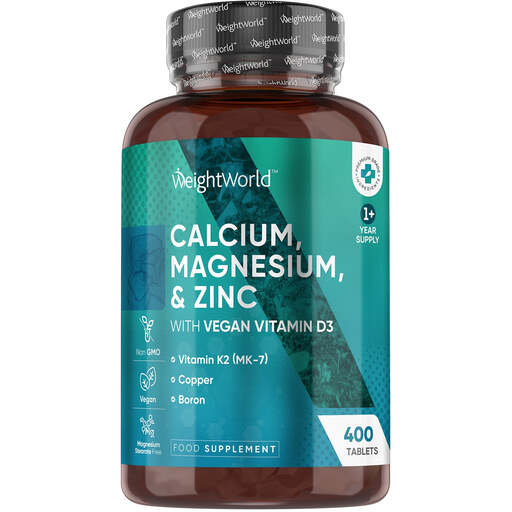
Why this product suits this profile: The pack of 400 tablets combines calcium, magnesium, zinc and vitamin D3 and, according to the supplier, is intended for adults.
The recommended daily intake of two tablets and the individual minerals are clearly stated. This makes it easier to assess your total intake more accurately.
Large pack containing 400 tablets; according to the product information, it is free from gluten, milk, soya and wheat.
Always follow the recommended daily dose stated on the packaging. Calcium may be tolerated differently depending on the compound and the amount taken. If you have kidney disease, are under medical supervision, are pregnant or breastfeeding, or take medication regularly, it is advisable to consult a healthcare professional.
A calcium supplement for adults is not a substitute for a balanced diet. Additional calcium supplements should not be combined indiscriminately. Particular care is required with products containing vitamin K if coumarin-type anticoagulants are being taken. The individual situation is also more important than any blanket promise when considering calcium during the menopause.
We have put together a complete, regularly updated list of products that fully meet these strict selection criteria and the safety regulations applicable in the EU.
Not necessarily. You should aim to meet your requirements through your diet wherever possible. A supplement may be useful depending on your diet, stage of life and a healthcare professional’s assessment. Before buying, check whether any other supplements you take already contain vitamin D or calcium.
The form you choose is primarily a matter of practicality and tolerability. Tablets are compact, effervescent tablets are dissolved in water, and calcium direct granules can be taken without water. Dosage, the ingredients list and instructions for use remain the key considerations.
This depends on the pack size and daily serving. A pack containing 400 tablets, with a recommended intake of two tablets per day, will last 200 days mathematically. Other products may contain 20 sachets or 30 tablets. Always compare the price per daily serving, rather than just the pack price.