
Lieferung heute & morgen

Qualitätsgarantie

Willkommens-Angebote freischalten: KOSTENLOSE Lieferung | Bis zu 80 % RABATT | Kostenlose 30-Tage-JoyPlus-Testphase
App herunterladen
Calcium magnesium supplements are often associated with bones, teeth and muscles. However, choosing the right product is not simply a matter of picking the largest number on the front. What really matters is the actual amount of each mineral per daily serving, the compounds used and a format that can be easily incorporated into your everyday routine.
A product containing a large amount of calcium or magnesium may be suitable for one person but unnecessarily high in dosage for another. If you also eat calcium-rich foods or already take a mineral supplement, you should consider your total daily intake. Do not exceed the recommended daily serving.
Larger portions of magnesium may have a laxative effect in sensitive individuals. This is stated, among other things, for products containing 500 mg of magnesium per daily dose. People with impaired kidney function, as well as those who regularly take medication, should seek medical or pharmaceutical advice before taking calcium magnesium supplements.
Calcium and magnesium have different authorised nutritional functions. According to the authorised EU nutrition claim, calcium contributes to the maintenance of normal bones and teeth and to normal muscle function. Magnesium contributes to normal muscle function, normal energy-yielding metabolism and the normal functioning of the nervous system.
Vitamin D3 is not included in every calcium-magnesium product. It contributes to the normal absorption and utilisation of calcium and to the maintenance of normal bones. A calcium vitamin D3 product may therefore appeal to shoppers specifically looking for this combination. However, the addition does not replace a balanced diet and should not be understood as a therapeutic promise.
Calcium magnesium capsules and calcium magnesium tablets differ in more than just how easy they are to swallow. Capsules may require several units per day. Effervescent tablets need to be dissolved in water and often contain sweeteners, acidity regulators or flavourings. Direct granules are practical when you are out and about, but you should also check the sweeteners, allergens and exact daily serving.
Do not compare only the amount of powder. Instead, look at the figures for elemental calcium and elemental magnesium per daily dose. For example, one product may provide 864 mg of calcium and 202 mg of magnesium from four capsules. Another supplement may contain 400 mg of calcium and 300 mg of magnesium per effervescent tablet.
Also check the NRV percentage. The nutrient reference value makes it easier to understand the figures within EU labelling requirements. The amounts should clearly refer to one serving, rather than only to 100 g of product.
Calcium carbonate and magnesium carbonate are used in various products. Magnesium oxide, magnesium citrate and calcium phosphates may also be included, depending on the formulation. The name of a compound alone does not provide a general indication of how suitable it will be for you personally. For this reason, check the ingredients list and directions for use.
Calcium with magnesium products may contain other substances, such as vitamin D3, potassium, vitamin B6, vitamin K1 or zinc. A longer ingredients list is not automatically better. If you already use several food supplements, you should avoid overlapping ingredients. Products containing vitamin K require particular care and consultation if you are taking coumarin-based anticoagulants.
Check whether the product is intended for adults, how many units are recommended each day and whether it should be taken with a meal or plenty of liquid. With capsules, gelatine or possible traces of milk, soya, gluten or eggs may be relevant. Vegetarian, gluten-free or lactose-free claims should be checked directly on the product page or packaging.
Direct granules or individually wrapped effervescent tablets can be practical for active people. For regular use at home, capsules or tablets are often more space-efficient. Shelf life after opening and storage at room temperature should also be taken into account when comparing prices.
The following selection categorises products based on verifiable details such as dosage, ingredients and format. It is not medical advice.
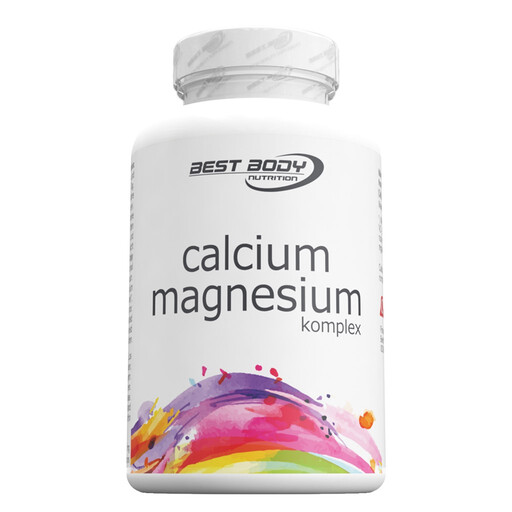
Why this product suits this profile: The pack contains 100 capsules and combines calcium carbonate with magnesium carbonate. According to the product information, a daily serving of four capsules provides 864 mg of calcium and 202 mg of magnesium.
The mineral amounts per serving are clearly stated. Shoppers can also see that four capsules are intended to be taken daily, rather than one capsule being presented as the daily dose.
100 capsules, clear calcium and magnesium figures, and a compact format that is convenient at home or on the go.
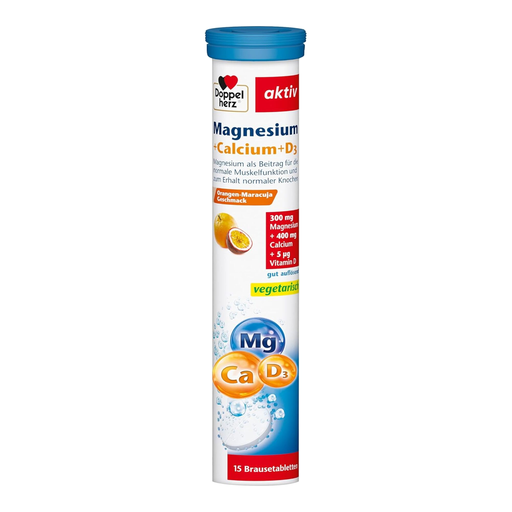
Why this product suits this profile: According to the product information, one effervescent tablet provides 300 mg of magnesium, 400 mg of calcium and 5 µg of vitamin D3. The serving is dissolved in 200 ml of water.
The composition lists the individual amounts instead of simply promoting the product as a ‘complex’ or ‘plus’. The required amount of water and the minimum age of 12 are also stated.
A combination of calcium, magnesium and D3; the product is listed as gluten-free and lactose-free, with a clearly defined individual serving.
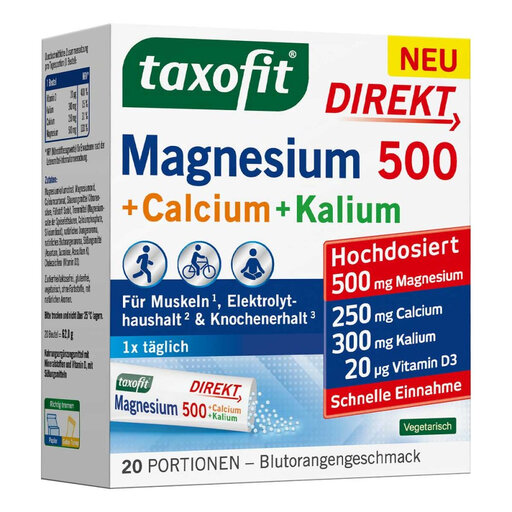
Why this product suits this profile: The direct granules can be taken without water. The product information states that each serving provides 500 mg of magnesium, 250 mg of calcium, 300 mg of potassium and 20 µg of vitamin D3.
The formulation lists the four relevant nutrient amounts individually. The 20 sachets are individually portioned, so there is no need to measure an unclear amount from a large pack.
No-water format, listed as suitable for vegetarians, with individually packed servings for travel, work or your sports bag.
Before buying a calcium magnesium supplement, make sure you can tick off the following points:
We have put together a complete, regularly updated list of products that fully meet these strict selection criteria and the safety regulations applicable in the EU.
No single format is automatically suitable for everyone. Capsules may require several units per day, while tablets or effervescent tablets may offer a different serving size depending on the formulation. The key factors are the mineral content, ingredients list and your personal preferences when it comes to taking supplements.
Many products contain calcium with magnesium in one combined daily serving. Whether this type of mineral supplement is suitable for your diet and any other supplements depends on the respective amounts. If you regularly take medication or have an existing medical condition, it is advisable to consult a healthcare professional.
This depends on the number of units and the recommended daily serving. 100 capsules taken at four capsules per day will last 25 days. 20 sachets or 15 effervescent tablets correspond to 20 or 15 days of use respectively when taking one serving per day. The price per daily serving, rather than the pack size alone, is therefore the key factor when calculating ongoing costs.