Day hikers keeping an eye on calories
If you’re packing nuts for a day hike, compare the energy per 100 g and measure out the amount you want to take in advance. That way, a large pack won’t accidentally become an oversized hiking snack.


Nuts aren’t necessarily low in calories: the German Nutrition Society points out that they are high in fat and energy. For a calorie-conscious hiking break, look at the energy per 100 g and how much you actually take with you. If you’re choosing seasoned nuts or a snack mix, compare the ingredients, sugar and salt too.
If you’re packing nuts for a day hike, compare the energy per 100 g and measure out the amount you want to take in advance. That way, a large pack won’t accidentally become an oversized hiking snack.
If you like to take roasted, seasoned or mixed snacks with you, check the specific recipe. The ingredients list and nutritional information make it easier to compare these options with plain nuts.
If you’re buying larger quantities or preparing snacks for several days, remember to think about storage and freshness too. The consumer advice centre recommends not eating nuts that smell musty or rancid.
First, decide how much you want to take on your hike. Then compare the nutritional information per 100 g and check the ingredients in seasoned or mixed products.
| Criteria | What to check when buying | Who it matters to |
|---|---|---|
| Energy and portion size | Energy per 100 g and the amount you’ll put in your rucksack. EDEKA24 lists whole Gut & Günstig almonds at 609 kcal per 100 g. | For a short break, I don’t want to automatically eat the whole bag; my main question is how much energy is in my portion. This question of portion size is a priority for around 42% of consumers. |
| Ingredients, sugar and salt | The ingredients list, plus sugar and salt per 100 g – especially for seasoned nuts and nut and fruit mixes. | If I’m taking something different from plain nuts, I want to know what’s been added to the mix or seasoning. For around 33% of consumers, the recipe is the most important buying criterion. |
| Carrying and freshness | Pack size, the condition of the nuts and suitable storage before your hike. | For a hike lasting several days, I need a snack I can store properly until I’m ready to eat it. Around 25% of consumers focus mainly on carrying and freshness. |
Nuts can be high in energy even when they contain no other ingredients. For example, EDEKA24 lists whole Gut & Günstig almonds at 609 kcal per 100 g. The amount you pack also matters for your hiking break.
Compare the energy per 100 g and measure out the portion you want before setting off.
The salt, sweet ingredients and other additions depend on the specific variety. A product name alone isn’t enough to compare recipes.
Read the ingredients list and compare the sugar and salt per 100 g.
Freshness and condition matter when storing nuts for a long time. The consumer advice centre recommends not eating nuts that smell musty or rancid.
Buy an amount you’re likely to use, and store your supply somewhere cool and dark.
If a large pack goes rancid before you finish it, some of your supply will go to waste.
Nut mixes can contain a variety of tree nuts. Which ingredients matter when choosing depends on the specific pack.
Check the ingredients and allergen information for each variety rather than relying on a mix you bought before.
Seeberger offers a range that includes plain, roasted, salted and sweet nut varieties, as well as mixes.
Lidl Germany describes Alesto as offering both plain nuts and seasoned snacks.
ALDI SÜD sells products under these names that include plain almonds and seasoned snack almonds.
EDEKA24 describes whole Gut & Günstig almonds as containing almonds as their only ingredient.
REWE’s almond range includes own-brand products, as well as plain and honey and salt varieties.
This selection includes sweet chestnuts, a nut and fruit mix, pine nuts and plain almonds. For your hiking break, the main differences are the product type and pack size. Check the nutritional information for the specific variety and take the amount you want.
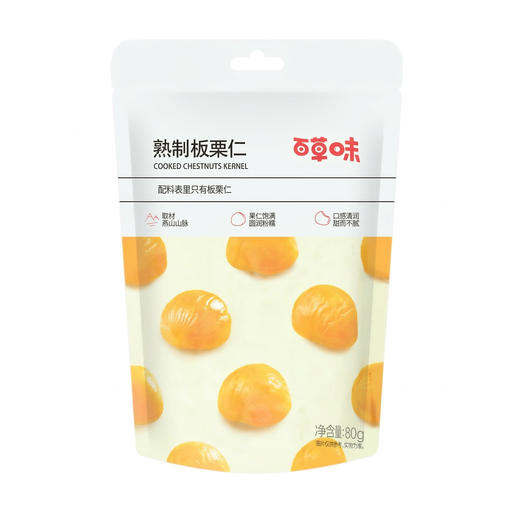 Image unavailable
An 80 g pack of sweet chestnuts for anyone who’d rather take sweet chestnuts than a classic nut mix. Compare the energy per 100 g and decide how much you’d like to have during your break.
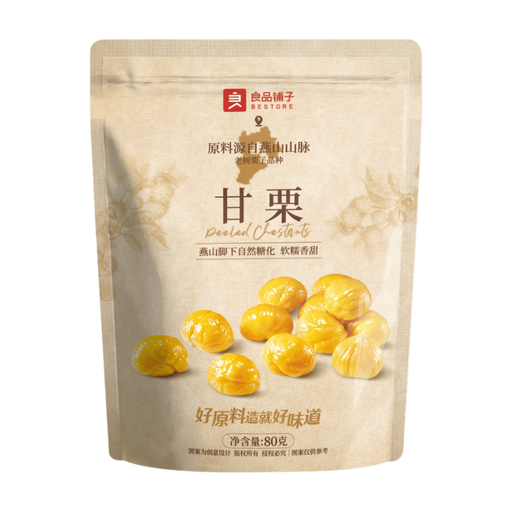 Image unavailable
Another sweet chestnut snack in an 80 g bag. If you’re choosing between the two sweet chestnut products, compare their energy per 100 g rather than assuming they have the same nutritional values just because the pack sizes match.
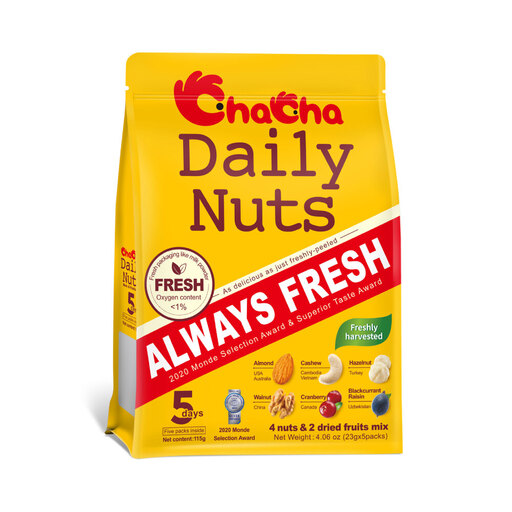 Image unavailable
A nut and fruit mix for anyone who wants a change from plain nuts on a hike. The mix contains sweetened cranberries, so be sure to take the ingredients and sugar content into account when comparing it with other options.
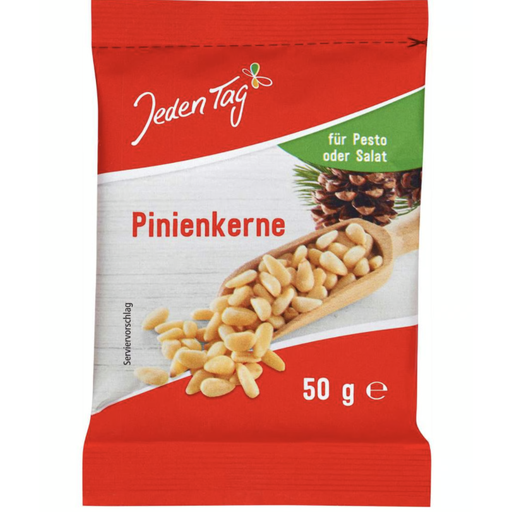 Image unavailable
Pine nuts in a 50 g pack for anyone who wants to take this type of product along. The product description presents them mainly as a cooking ingredient, so check whether they’re right for the hiking break you have planned.
 Image unavailable
Plain almonds for anyone who wants to measure out their own hiking portion from a 500 g pack. The pack isn’t divided into individual portions, so compare the energy per 100 g and follow the storage instructions after opening.
No, nuts aren’t generally low in calories. The German Nutrition Society describes them as high in energy because they contain little water and a lot of fat. Compare the energy per 100 g and plan the portion you’ll actually take with you.
For packaged nut products, compare the energy, sugar and salt per 100 g. Lebensmittelklarheit explains that nutritional labelling on most packaged foods also includes fat, saturates, carbohydrates and protein. The ingredients list gives you further details about what’s in the specific variety.
Check the ingredients and allergen information on each specific pack. Mixes can contain different tree nuts, so don’t assume a new variety has the same ingredients as one you’ve bought before.
Store nuts somewhere cool and dark before your hike, and follow the instructions on the pack once it’s open. The consumer advice centre recommends not eating nuts that smell musty or rancid.