Which camera setup is right for you?

Spoon carvers taking photos to sell their work

For consistent full-length shots of spoons for your shop or portfolio, it’s important to keep the framing, background and lighting consistent. Canon Germany recommends using a tripod for repeatable product shots.

Photographers capturing fine carving details

If you want to show notches, grain or tool marks in close-up, consider magnification, working distance and depth of field together. Sony Germany recommends checking the lens specifications for its maximum magnification.

Photographers capturing deep spoon shapes

With curved or deeply carved shapes, the entire depth may not be in focus. Stopping down or focus stacking – taking several shots with slightly different focus points – are possible options. Canon Academy explains how stopping down affects depth of field at close range.

What should you look for when choosing?

First decide whether full-length shots or small details matter most. Then consider depth of field, lighting and what’s included with the camera.

What you need What to check before buying Who is it important to?
Consistent full-length shots Check which zoom lens is included, whether you can use a tripod and whether your setup has room for lighting. If I’m repeatedly photographing whole spoons for my shop or portfolio, I need consistent framing and controlled lighting. Around 30% of consumers put consistent full-length shots first.
Fine carving details Check the maximum magnification of the specific lens, the working distance in front of the lens and which accessories are included. To capture notches and tool marks, I want to know the lens’s magnification and have enough room for lighting from the side. Around 30% of consumers prioritise close-up detail shots.
Sharpness across the shape Check for manual exposure and focus, tripod use and focus bracketing features on the exact model. When photographing a curved spoon, I want as much of its shape in focus as possible, rather than just a thin plane. Around 20% of consumers prioritise sharpness across the whole shape.
A simple close-up setup Check for a close-up mode, what’s included and whether there’s room for your planned lighting. If I only occasionally photograph small details in wood, I want to avoid changing lenses while still being able to check my lighting setup. Around 20% of consumers prefer a straightforward close-up setup.

Avoid common selection mistakes

  • Don’t confuse close focusing with macro magnification

    Specifications apply to particular lenses and aren’t always directly comparable. Canon states that the RF-S 18–45 mm achieves a maximum magnification of 0.25x in manual close focus; Nikon gives the Z MC 50 mm 1:2.8 a reproduction ratio of 1:1. The framing that works for a whole spoon also depends on the size of your subject and the shooting distance.

    Decide whether you want to photograph the whole shape or show individual carving details close up, then check which lens is actually included.

    A compatible macro lens may be an additional purchase if you want small details to fill the frame.

  • Don’t treat a dark background as a substitute for lighting

    Stopping down further can increase depth of field, but it lets less light reach the sensor. A longer exposure can increase the risk of camera shake.

    Plan how you’ll light the wood and keep the camera stable, rather than choosing a camera body based on the dark background alone.

  • Don’t confuse the minimum focusing distance with the working distance

    Nikon states that at its closest focusing distance, the Z MC 50 mm has a gap of around 5 cm between the lens and the subject. OM SYSTEM states that a specific TG-7 kit can focus from 1 cm in microscope mode. These figures don’t automatically mean there’s enough space in front of the lens for lighting from the side.

    Check the working distance you have for your lighting separately from the focusing distance, and make sure any accessories are actually included with the offer you choose.

  • Don’t mistake full-frame equivalent figures for the actual reproduction ratio

    OM SYSTEM gives the M.Zuiko Digital ED 60mm F2.8 Macro an actual maximum reproduction ratio of 1:1. The also-quoted “2x” figure is a full-frame equivalent.

    Compare reproduction ratios on a like-for-like basis and check whether a figure is explicitly described as an equivalent.

Relevant brands and model ranges

Canon

The EOS R50 is a mirrorless camera for full-length shots with an RF or RF-S lens. A higher-magnification macro lens is a separate option.

  • Canon Germany states that the RF 100mm F2.8L Macro IS USM offers maximum magnification of 1.4x.
  • Canon states that the RF-S 18–45 mm offers a maximum magnification of 0.25x in manual focus. According to the manufacturer, the EOS R50 doesn’t have in-body sensor-shift image stabilisation.

Nikon

The Z50II can be paired with the separately available NIKKOR Z MC 50 mm 1:2.8 for close-up photography.

  • Nikon gives the lens a reproduction ratio of 1:1 and says the Z50II has a tilting and rotating screen.
  • At the closest focusing distance, Nikon states that the working distance between the lens and subject is around 5 cm. Whether there’s room for your chosen lighting depends on your setup.

Sony

The α6700 is an APS-C camera body with an E-mount. The SEL30M35 is a separate macro lens to consider for APS-C.

  • Sony specifies a maximum reproduction ratio of 1:1 for the SEL30M35.
  • The stated minimum focusing distance of 0.095 m isn’t the same as the working distance in front of the lens. The camera body doesn’t automatically include the macro lens.

OM SYSTEM

The OM-5 Mark II offers Focus Stacking, while the M.Zuiko Digital ED 60mm F2.8 Macro is a separate macro option. The TG-7 is a compact camera with macro photography modes.

  • OM SYSTEM lists Focus Stacking for the OM-5 Mark II and an actual maximum reproduction ratio of 1:1 for the 60 mm macro lens.
  • The “2x” figure for the lens is a full-frame equivalent, not an actual reproduction ratio of 2:1. The TG-7 is a different type of camera and doesn’t take interchangeable lenses.

Related products at Joybuy

A selection of Joybuy products related to cameras for product and close-up photography.
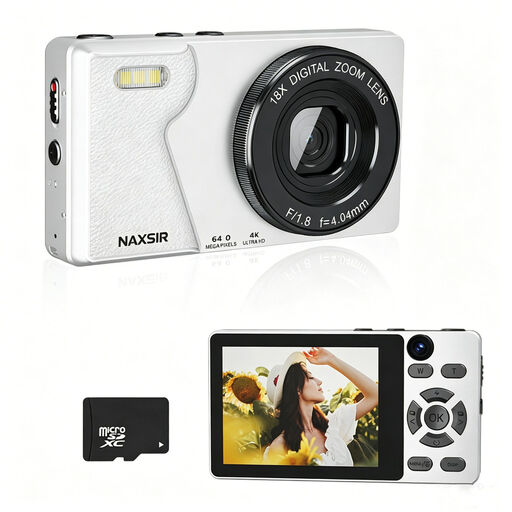
NAXSIR 4K Ultra HD digital camera with 64 MP photo resolution

NAXSIR 4K Ultra HD digital camera, 64 MP, 18x digital zoom, autofocus, 32 GB memory card

Could be worth considering if you want flexible framing. Check whether the digital zoom is suitable for the way you want to show your spoons.

The product name lists 4K Ultra HD, 64 MP photo resolution, 18x digital zoom, autofocus and a 32 GB memory card.

View at Joybuy
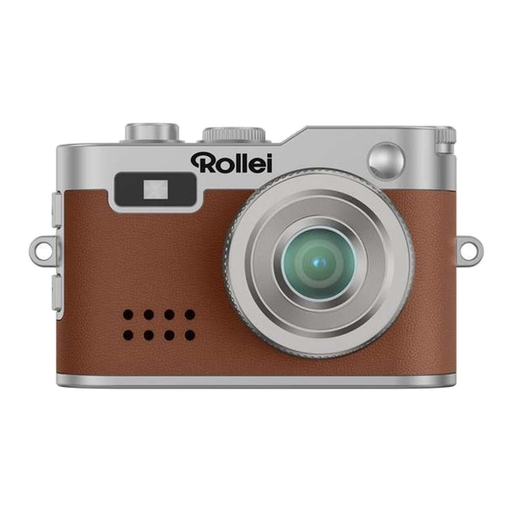
Rollei mini digital camera in brown

Rollei Mini Digital Camera, Brown

Its compact design could suit a simple camera setup. Before choosing, check whether it offers the close-up distance and lighting options you need.

View at Joybuy

KOMERY G7 5K digital camera in white

KOMERY G7 5K digital camera, White, 80MP, 18X Zoom

The zoom listed in the product name may affect your framing. Check whether the specifications and close-focus capability suit your spoon photography.

The product name lists 5K, 80MP, 18X Zoom and the White colour option.

View at Joybuy

Frequently asked questions

Do I absolutely need a macro lens to photograph a whole spoon?

No. A suitable standard zoom lens may be enough for full-length shots. If you want a small carving detail to appear large in the frame, compare the maximum magnification of the lens actually included: Canon states that the RF-S 18–45 mm offers 0.25x in manual close focus, while the macro lenses mentioned here achieve 1:1 or more.

How do I get started with a shot against a dark background?

Keep the camera and spoon steady to maintain consistent framing, and light the wood rather than simply darkening the background. If the curved shape isn’t sharp enough at close range, you could stop down further or try taking multiple focus shots. A stable camera position and suitable lighting are still important.

What extra equipment should I check for with a mirrorless camera?

Check whether the offer includes just the camera body or a kit, and whether a macro lens, tripod and lighting are included. A separately listed macro lens doesn’t automatically come with the camera body. Accessories for a particular TG-7 kit aren’t automatically part of a camera-only offer.

What are my rights when buying a camera online in Germany?

For a typical online purchase from a business seller, you generally have a 14-day right to cancel, starting from the date of delivery. Exceptions and specific terms may apply. If goods are faulty, you have a statutory right to claim a remedy from the seller for at least two years from receipt. This is separate from any additional manufacturer’s guarantee that may be offered.

What should I look for to check a camera offer complies with product requirements?

CE marking may be relevant for electrical and electronic equipment that must carry it. The European Union notes that its absence on a product that requires it can be a warning sign; however, the mark alone isn’t an independent quality test. Check the details of the specific offer rather than assuming it complies based on the model name alone.