Crocheters with product ranges
You photograph several finished figures and want to repeat the same framing and background. A fixed setup can help keep your shots consistent; Canon Germany recommends using a tripod for this.


For full shots of crocheted animals, a camera kit with a suitable standard zoom can be a good starting point. For stitches or eyes that fill the frame, it’s the close-up capability of the specific lens or camera mode that matters. A short focusing distance alone doesn’t tell you how large a detail will appear in the image. Also allow space for lighting and a stable setup, especially if you want to photograph several figures in a similar way.
You photograph several finished figures and want to repeat the same framing and background. A fixed setup can help keep your shots consistent; Canon Germany recommends using a tripod for this.
You want to show stitches, eyes or the finish in close-up, so you choose based on the close-up capability of the specific lens or camera mode. Canon Germany, OM Digital Solutions and Nikon Germany list different lens or close-up specifications for this.
As well as photos of finished figures, you need videos of the crocheting process and want to check whether the kit can handle both. Sony Germany describes photo, video and product presentation features for the ZV-E10 II.
A good fit if: You mainly want to photograph full figures and different views, with the option to use another lens later.
Bear in mind: Close-up performance depends on the lens fitted and, where applicable, the focus mode. Canon’s strongest close-up figure mentioned here applies when focusing manually.
A good fit if: You want to photograph small details without changing lenses; OM Digital Solutions lists close-ups from as near as 1 cm for the Tough TG-7.
Bear in mind: 1 cm refers to the focusing distance and doesn’t automatically mean a 1:1 reproduction ratio. At such a short distance, you’ll also need to leave room for lighting.
A good fit if: You want individual stitches or small details to fill a large part of the frame; Nikon states that the Z MC 50 mm f/2.8 achieves a 1:1 reproduction ratio on Z-series cameras.
Bear in mind: The Nikon macro lens isn’t included with the Z50II standard zoom kit mentioned here. Check the lens mount and the space required for the complete setup.
| What you need | What to look for when buying | Who is it important to? |
|---|---|---|
| Frame the whole figure | Check the focal length and the shooting distance available in your planned table setup before deciding whether to buy an additional lens. | If I want to show the whole figure, I need a suitable frame without having to move the camera too close to the subject. Around 30% of consumers prioritise full views. |
| Show stitches and small details in close-up | Compare the focusing distance and magnification for the specific lens and focus mode. Canon Germany lists a 15 cm focusing distance and 0.25x magnification for the RF-S 18–45 mm when focusing manually; Nikon Germany describes the Z MC 50 mm f/2.8 as having a 1:1 reproduction ratio. | If I want stitches, eyes or the finish to fill the frame, actual magnification matters more to me than simply being close to the subject. Around 30% of consumers put these details first. |
| Keep a series of images consistent | Allow space for a tripod and lighting, and check whether you can keep the framing and background consistent across several shots. Canon Germany recommends a tripod for consistent framing. | If I’m photographing several finished figures, I want to be able to repeat the colours, background and composition. Around 20% of consumers prioritise consistent product images. |
| Take photos and videos of your crochet | Check the video features and close-up capability separately for the complete kit. Sony Germany lists a maximum magnification of 0.215x for the kit lens. | If I want to film the making process as well as take product photos, I want one setup to cover both. Around 20% of consumers give equal priority to photos and video. |
A short focusing distance doesn’t tell you how large a detail will appear in the image. Canon lists 0.25x magnification for the RF-S 18–45 mm when focusing manually; Nikon describes the separate Z MC 50 mm f/2.8 as having a 1:1 reproduction ratio.
Check magnification, focus mode, lens mount and the detail you want to frame separately.
The angle of view and close-up performance also depend on the lens included. The Nikon Z50II kit comes with a Z DX 16–50 mm; Nikon notes that a charger isn’t included.
Compare the full kit name and what’s in the box, not just the camera body.
At a very short shooting distance, there may be little room to light the figure and table properly.
Check whether the camera, subject and lights will all fit on your table. For full views, a greater distance may be more practical.
The EOS R50 kit with RF-S 18–45 mm is an option for full views and a range of compositions.
The Z50II standard zoom kit includes a Z DX 16–50 mm; the Z MC 50 mm f/2.8 is a separate option for macro photography.
The Tough TG-7 is a compact camera with a close-up mode, so you don’t need to change lenses.
The ZV-E10 II with E PZ 16–50 mm OSS II is worth considering if you’re planning to shoot video as well as photos.
The LUMIX DC-G97M kit is another Micro Four Thirds combination, with a 12–60 mm lens and a vari-angle screen.
The following Joybuy products are compact cameras for taking photos and videos. If you want to photograph stitches or eyes, check the close-up capability of the specific model and setup separately.
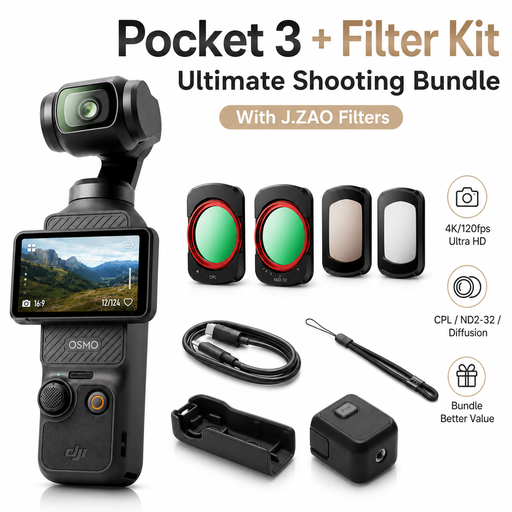 No image available
An option for taking photos and videos in a compact setup, provided it offers the right distance from your subject.
The product name lists a 1-inch CMOS sensor, 4K/120-fps video and a 3-axis gimbal camera; the bundle includes a J.ZAO Pocket 3 Camera Filter Kit.
Check the close-up capability if you want stitches or eyes to take up a large part of the image.
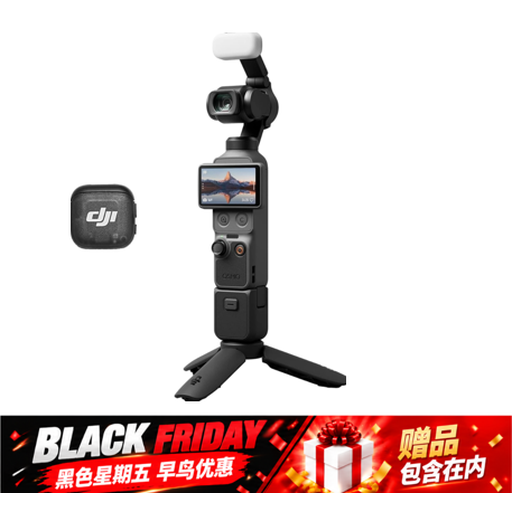 No image available
An option if you want to combine compact photo and video shooting; for small crochet details, check the close-up range of the setup too.
The product name lists a 1-inch CMOS sensor, 4K/240-fps video, 2x lossless zoom and 107 GB of built-in storage.
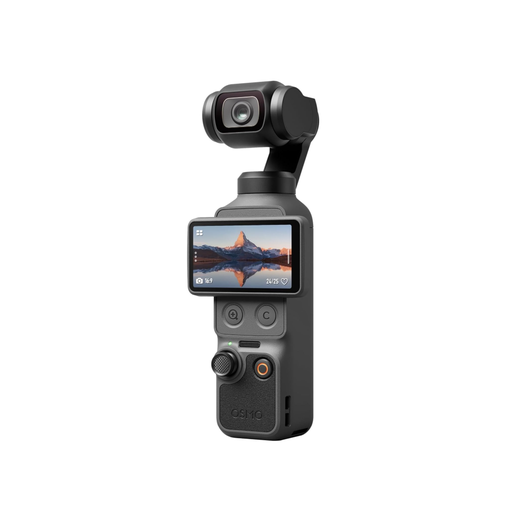 No image available
An option for compact photo and video shooting if the setup also gives you the distance from the subject you need.
The product name lists a 1-inch CMOS sensor, 4K/240-fps video, 2x lossless zoom, 107 GB of built-in storage and a 2-inch rotating screen.
A zoom figure alone doesn’t tell you how large stitches or eyes will appear in the image.
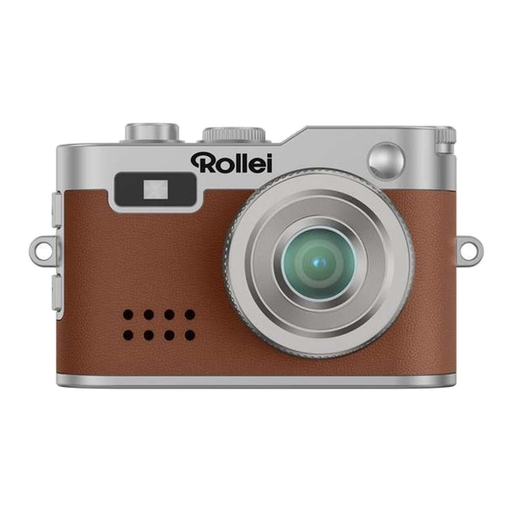 No image available
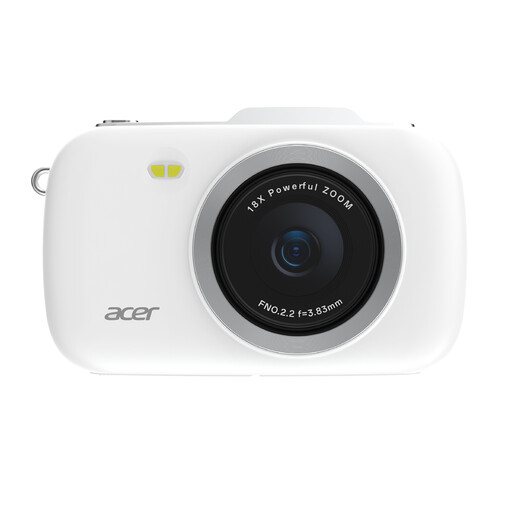
An option if you’re looking for a mini digital camera for compact photography. For close-ups of small crochet details, check that the subject size and the framing you want are a good match.
 No image available
An option for taking photos and videos if you’re looking for a compact digital camera; check its close-up capability separately if you want to capture small details.
The product name lists 80 MP and 4K; the product specifications also list 18x digital zoom. These figures alone don’t tell you how close you can get to stitches.
Start by fixing the position of the figure, background and camera. A tripod can help you keep the framing consistent between shots; check that the tripod and lighting will fit around your table.
No, because focusing distance and magnification aren’t the same thing. Canon Germany lists a 15 cm focusing distance and 0.25x magnification for the RF-S 18–45 mm when focusing manually; Nikon Germany describes the separately available Z MC 50 mm f/2.8 as having a 1:1 reproduction ratio. Compare the specifications for the specific lens and focus mode.
Check everything included in the box and allow for any lighting, tripod or separate macro lens you may need. Nikon Germany notes that the Z50II kit mentioned here doesn’t include a charger.
For consumers buying at a distance, Section 312g of the German Civil Code (BGB) generally provides a right to cancel. Section 355 of the BGB sets a 14-day period; Section 356 covers when that period begins for goods, which is after you receive them. Your statutory rights against the seller and a voluntary guarantee are different, as explained by the consumer advice centre. You can’t assume that these rules apply to every business purchase.