
Lieferung heute & morgen

Qualitätsgarantie

Willkommens-Angebote freischalten: KOSTENLOSE Lieferung | Bis zu 80 % RABATT | Kostenlose 30-Tage-JoyPlus-Testphase
App herunterladen
The cameras in modern smartphones are technological marvels, and their repair can easily cost several hundred pounds. A careless moment, a drop, or contact with a key in your pocket can permanently damage the delicate lens. A tempered glass camera protector seems like the logical solution. However, the market is flooded with products whose marketing claims often conceal more than they reveal. Many users invest in a camera protector only to find that their photo quality suffers or the protector isn't compatible with their phone case.
As your Joybuy Product Recommendation Officer, I'm here to help you navigate these pitfalls. We will focus on the objective criteria that define a high-quality lens protector, enabling you to make an informed decision and preserve the long-term value of your device.
Before we dive into the essential features, let's highlight the three most common problems that can lead to a bad purchase:
To avoid these issues, you should check three technical parameters before buying. These define the quality and functionality of any lens protector.
A high-quality, scratch-resistant camera protector is typically made from multi-hardened tempered glass. Materials like Corning Glass offer superior transparency and durability. While the 9H hardness rating is a standard, the quality of the glass and its manufacturing process is the deciding factor for real-world scratch resistance. A good tempered glass protector shields the original lens from micro-scratches that can diminish resale value and gradually degrade image quality.
The primary job of a phone camera protector is to protect without compromising function. Look for products with high light transmittance (often over 99%) and both oleophobic (oil-repellent) and anti-reflective coatings. An oleophobic layer reduces fingerprints and makes cleaning easier. The anti-reflective coating is crucial for minimising light reflections and ghosting that would otherwise degrade the quality of your shots.
A lens protector must be cut precisely for the specific smartphone model. Products designed as an iPhone 17 camera protector will not fit a Samsung S25 camera protector. Precise cutouts for lenses, flash, and sensors are essential. Furthermore, the design should be "case-friendly," meaning it's thin enough to be compatible with most common phone cases. Some manufacturers provide installation aids (alignment frames), which make a precise, bubble-free application significantly easier.
Based on these objective criteria, we have identified several products suited for different needs and user profiles.
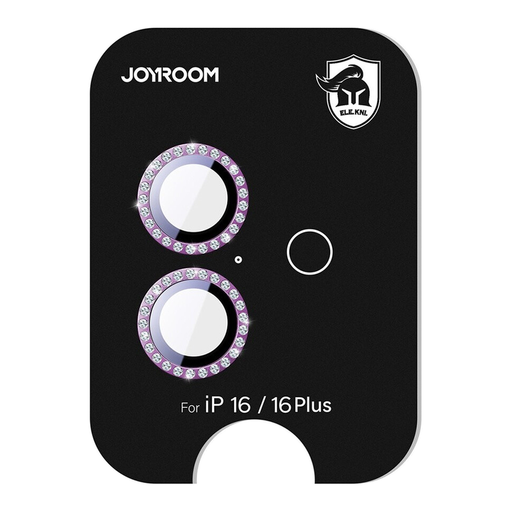
Why This Fits Their Persona: For users who see protection not just as a necessity, but as a fashion statement. The pink colour and integrated crystal give the iPhone a personal and elegant touch.
The product uses high-quality Corning glass with an anti-reflective coating, which minimises the risk of photo quality loss (Pitfall 2). Its thickness of just 0.3 mm ensures high compatibility with cases (Pitfall 3).
Combines reliable 9H protection with a unique design upgrade. Water and dust-repellent properties offer additional security.
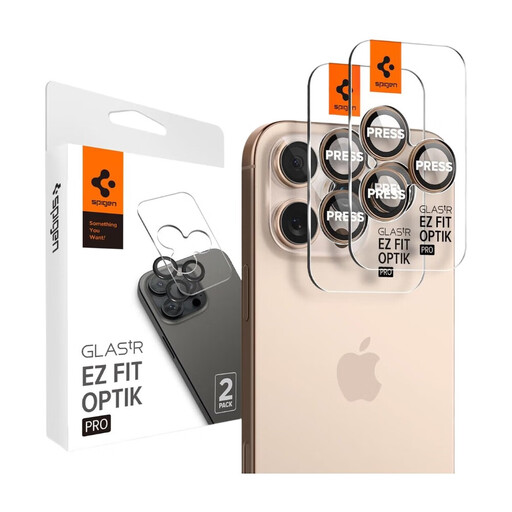
Why This Fits Their Persona: Ideal for users seeking a straightforward, reliable, and precise solution. The focus is on maximum protection and easy installation without compromising on photo quality.
The "EZ FIT" installation tray ensures perfect alignment and prevents application errors. The design is explicitly designated as "case-friendly," preventing conflicts with cases (Pitfall 3). The high-quality glass preserves image quality (Pitfall 2).
Extremely simple and precise installation. The 2-pack offers excellent value for money and includes a spare protector.
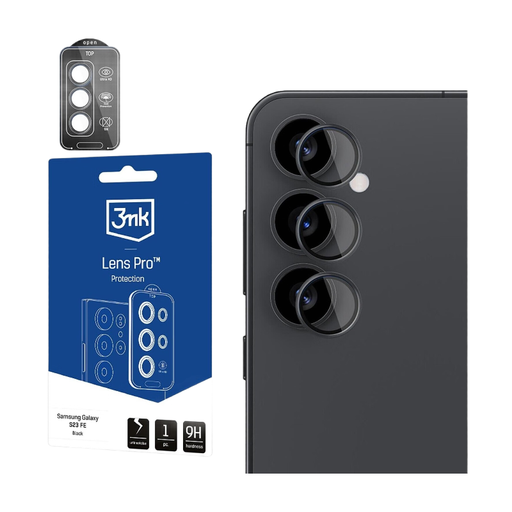
Why This Fits Their Persona: Developed specifically for Samsung Galaxy S25 owners who want a perfectly fitting and discreet protective solution for their device's advanced camera system.
Precise laser cutting ensures an exact fit for the S25 camera module that doesn't interfere with the flash or sensors (Pitfall 2). The slim design ensures compatibility with most cases (Pitfall 3).
Model-specific, precision-fit protection for the Samsung Galaxy S25. The black design integrates seamlessly into the device's aesthetic.
We have compiled a complete, up-to-date list of products that fully meet these strict selection criteria and UK regulations.
A high-quality tempered glass camera protector with high transparency and an anti-reflective coating generally does not affect photo quality. However, cheap or poorly made products can lead to issues like blurriness, reflections, or colour distortion. It is crucial to pay attention to the quality of the glass and its coatings.
To remove a camera protector without damaging the original lens, you should carefully lift one corner with your fingernail or a thin plastic card (e.g., a business card). Once the glass begins to lift, you can slowly and evenly peel it off. Never use metallic or sharp tools, as they could scratch the lens.
Although the sapphire glass used by manufacturers like Apple is extremely scratch-resistant (level 9 on the Mohs hardness scale), it is not shatterproof. A hard drop onto an edge can cause the sapphire glass to shatter. An additional tempered glass protector acts as a sacrificial layer, absorbing the impact energy and being significantly cheaper to replace than the entire camera module in case of damage.