
Lieferung heute & morgen

Qualitätsgarantie

Willkommens-Angebote freischalten: KOSTENLOSE Lieferung | Bis zu 80 % RABATT | Kostenlose 30-Tage-JoyPlus-Testphase
App herunterladen
The cameras on modern smartphones are technological marvels, but their exposed position makes them vulnerable to scratches and cracks. Repairing camera lenses can easily cost several hundred dollars. A tempered glass camera protector seems like the logical solution. However, the market is flooded with products whose marketing promises often fall short in practice. Many users report issues such as reduced photo quality or a poor fit.
This guide, created by your Joybuy Product Recommendation Officer, shows you what to look for to avoid the most common purchasing pitfalls and find a lens protector that reliably shields your smartphone's camera without compromising its functionality.
Before you make a decision, you should be aware of the typical problems that can arise with low-quality products.
To avoid these traps, you should base your choice on objective criteria. The following three features are crucial for an effective and unobtrusive phone camera protector.
The hardness rating indicates a material's scratch resistance. A 9H tempered glass camera protector is based on the pencil hardness scale, meaning the glass cannot be scratched by a 9H pencil under defined pressure. This provides solid scratch protection for the camera lens against everyday objects like keys or coins. Look for tempered glass, as it offers significantly better impact protection compared to a simple plastic camera protection film.
A high-quality camera protector must be optically neutral. Two properties are essential for this:
The fit is critical for protection and longevity. There are two main types:
Before buying, check if the manufacturer provides information on case compatibility. A precise cut for models like an iPhone camera protector or Samsung camera protector is essential to avoid blocking sensors like the LiDAR scanner or the microphone.
Based on the quality criteria mentioned, we have identified some products suitable for different user profiles.
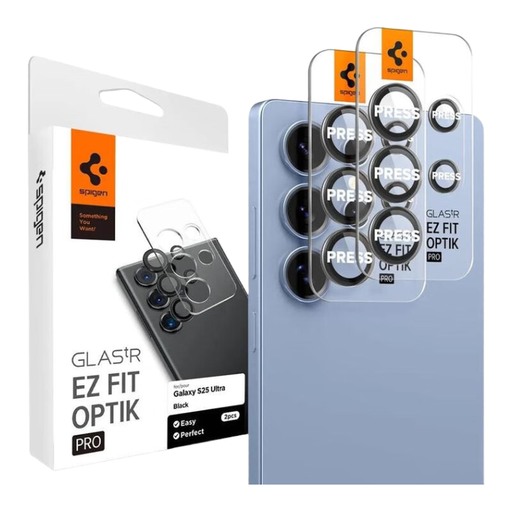
Why This Fits Their Persona: Ideal for owners of a high-end device who want reliable protection from an established brand that doesn't compromise camera functionality and is easy to install.
The tempered glass and precise cutouts prevent image distortion. The "EZ FIT" installation frame ensures an exact, bubble-free application and minimises the risk of compatibility issues.
Reliable scratch protection for the camera lens thanks to tempered glass; simple and precise installation with the mounting frame; 2-pack for a spare.
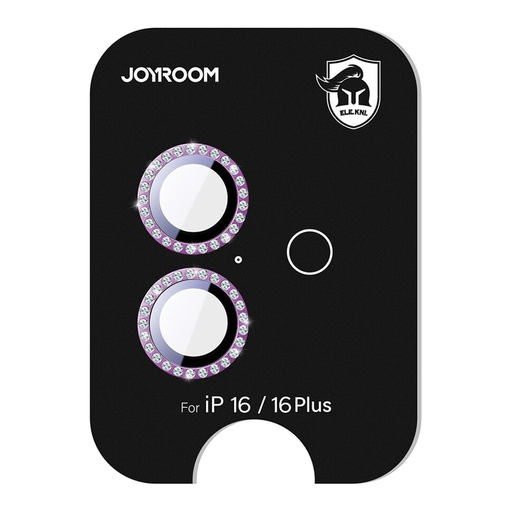
Why This Fits Their Persona: For users who want to combine protection with personalisation. This product not only protects but also adds a visual accent with its colour and crystal design.
Despite its fashionable design, it uses 9H tempered glass from Corning. The anti-reflective coating ensures that aesthetics do not come at the expense of photo quality.
Combination of protection and style; made from Corning Glass with 9H hardness; water and dust resistant.
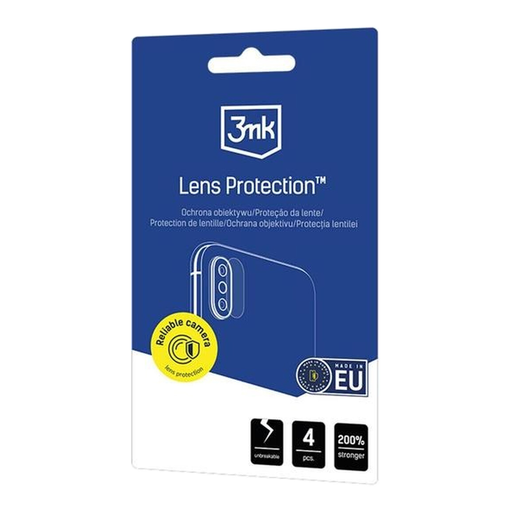
Why This Fits Their Persona: A cost-effective solution for users seeking basic but reliable scratch protection. The 4-pack offers excellent value and ensures a spare is always on hand.
This product is a transparent camera protection film, not glass. This makes it extremely thin and highly compatible with almost any case, thus avoiding the fit trap. The transparent communication (protection from scratches, not impacts) is honest.
Excellent value for money with the 4-pack; high compatibility with cases; reliable protection against scratches.
We have compiled a complete, up-to-date list of products that fully meet these strict selection criteria.
A high-quality tempered glass camera protector with precise cutouts and an anti-reflective coating generally does not affect photo quality. Issues like flash reflections or blurriness mainly occur with low-quality products that lack clean manufacturing or proper coatings.
Gently warm the glass with a hairdryer on a low setting to loosen the adhesive. Then, carefully lift a corner with your fingernail or a thin plastic object (like a credit card). Pull the glass off slowly and evenly. Never use metal or sharp tools, as they could damage the original lens.
No, not necessarily. Full-coverage protectors, in particular, can conflict with the edges of very tight-fitting cases. If you use a rugged case, individual protectors for each lens are often the safer choice. Some protector manufacturers also explicitly state that their products are "case-friendly."