
Lieferung heute & morgen

Qualitätsgarantie

Willkommens-Angebote freischalten: KOSTENLOSE Lieferung | Bis zu 80 % RABATT | Kostenlose 30-Tage-JoyPlus-Testphase
App herunterladen
The camera systems in modern iPhones are technological marvels, but their exposed design makes them vulnerable to scratches and damage. A repair can easily cost several hundred dollars. A high-quality iPhone camera protector seems like a simple solution, but the market is saturated with products that overpromise and underdeliver. Before you make a decision, it's crucial to understand the most common pitfalls that can lead to degraded photo quality or inadequate protection.
As your Joybuy Product Recommendation Officer, I'll help you understand the objective criteria for selecting a suitable protector and distinguish marketing hype from genuine product features.
Many users invest in a camera protector only to find that it compromises their device's functionality. Watch out for these three common problems:
To avoid the issues mentioned above, you should base your choice on three objective criteria. These will help you realistically assess a product's performance and durability.
The most important characteristic of a protective film for the iPhone camera is its optical quality. There are clear differences here:
A good protector must be precisely manufactured. Two designs are common:
Regardless of the design, the protector should be as thin as possible to ensure compatibility with snug-fitting cases.
Besides pure protection, some models offer further advantages:
Based on the criteria above, we have identified several products suitable for specific needs and iPhone models like the iPhone 16 or iPhone 17 Pro.
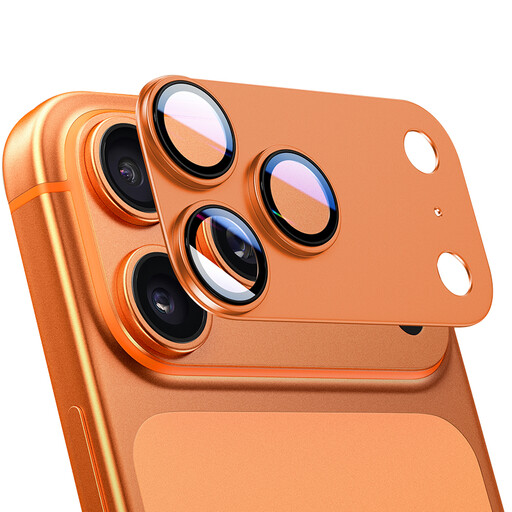
Why This Fits Their Persona: Ideal for users who see protection not just as a necessity, but as a style statement. The orange aluminum frame adds a striking accent and personalizes the look of the iPhone 17 Pro Max.
The "High-Transmittance Alloy" and tempered glass construction counteracts the problem of image quality loss. The precise fit for the Pro Max model prevents any obstruction of sensors.
Combines a robust, "anti-fall" construction with a customizable design. The metal frame provides additional protection for the edges of the lenses.
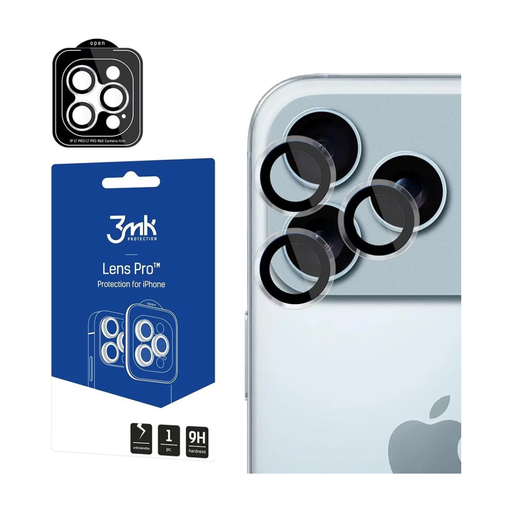
Why This Fits Their Persona: For users seeking the best possible protection without any aesthetic compromises. The goal is an invisible shield that fully preserves the iPhone's original aesthetics and photo quality.
This protector is explicitly designed for optimal clarity to maintain original image quality. The precision engineering for the iPhone 17 Pro models ensures a seamless, bubble-free installation that guarantees a perfect fit.
Provides effective protection against scratches and impacts without altering the device's appearance. The transparent design is ideal for users who appreciate their iPhone's original design.
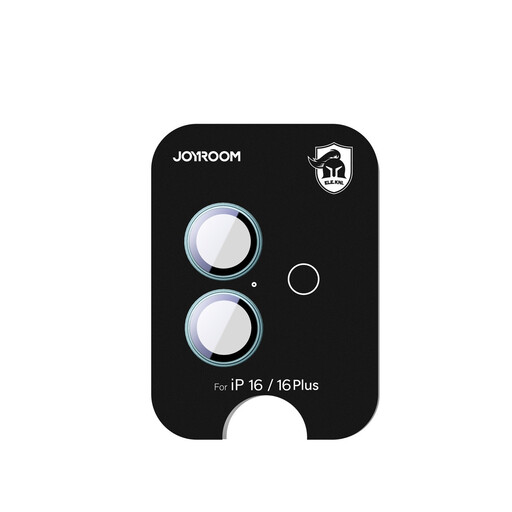
Why This Fits Their Persona: A solid and functional solution for owners of the standard iPhone 16 or 16 Plus models. The focus is on reliable, everyday protection from scratches and dust at a reasonable price.
The product is made of scratch-resistant glass with high transparency, addressing the main issues of image quality and durability. The simple, bubble-free application ensures a good fit and prevents dust from getting underneath.
Offers comprehensive protection against scratches, dust, and fingerprints. The installation is straightforward, and the glass can be removed without leaving any residue if needed.
We have compiled a complete, up-to-date list of products that fully meet these strict selection criteria and comply with all relevant regulations.
1. Does an iPhone camera protector affect photo quality? A high-quality tempered glass for the iPhone camera with high light transmittance and an anti-reflective coating should not noticeably affect image quality. However, low-quality products can cause blur, reflections (lens flare), and distorted colors, especially in low-light conditions or when using the flash.
2. Does every iPhone lens protector fit with every case? No, not always. Compatibility issues can arise, particularly with very snug-fitting cases that may cause the protector to lift at the edges. It is advisable to choose the thinnest possible camera protector or look for product descriptions that mention high case compatibility ("case-friendly").
3. How long does a camera protector last and when should it be replaced? The lifespan depends heavily on usage. A tempered glass camera protector is designed to "sacrifice" itself during a significant impact or fall to protect the original lens underneath. If the protector is cracked or heavily scratched, it should be replaced immediately to maintain protection and image quality.