If you like to pile your buns high
If you want room for cheese, vegetables or a spread, check the actual surface area and how easy the bun is to split. Pre-split toast buns can save you having to cut them while you’re on the go.


If by “thickly sliced” you mean a base that’s easy to split and can hold a generous savoury filling, focus on the shape, size and crumb of the specific bun. Pre-split toast buns save you having to cut them. Part-baked rolls are only suitable if you can use the heat source they require. If there’s no oven, opt for fresh rolls or, if you have a toaster, suitable toast buns. Either way, perishable fillings need to be kept properly chilled.
If you want room for cheese, vegetables or a spread, check the actual surface area and how easy the bun is to split. Pre-split toast buns can save you having to cut them while you’re on the go.
If your cooking options are limited, read the preparation instructions before you buy. Fresh rolls don’t need an oven; the preparation described for toast buns requires a toaster.
Perishable fillings need to be kept chilled in a way that suits the whole snack. If you need to avoid certain ingredients, check the information for the specific bun, including any ‘may contain’ warnings.
First, decide whether you want a bun that can be split or genuinely thick slices of bread. Then choose a practical bun for your trip based on the cooking and chilling options available to you.
| What to consider | What to check before buying | Who it matters to |
|---|---|---|
| Whether it splits and the surface area for fillings | Check the shape and size. See whether the bun is pre-split or can be halved to suit your needs. | If I want to fit in plenty of savoury filling, I need a surface that suits my snack. For around 40 % of consumers, this is the most important consideration when buying buns. |
| Preparation | Check the equipment, temperature and cooking time required against what’s available at your campsite. | Without a reliable oven, I don’t want to pack buns that still need baking. Around 30 % of consumers prioritise preparation methods that work with the equipment they have. |
| Storage and ingredients | Check storage instructions and allergen information, and plan suitable chilling for perishable fillings. | If fridge space is limited or I need to avoid certain ingredients, I plan the buns and fillings together. This is a priority for around 30 % of consumers. |
A bun cut in half isn’t the same shape as a thick slice of bread. The name alone also won’t tell you how much filling will fit on one half.
Decide which shape you need before you buy. For buns, the specific size and how easily they split are more useful than the search term.
You can’t prepare a product that needs finishing in the oven as planned if you don’t have the equipment it requires. For example, the breakfast rolls described by EDEKA need a preheated oven.
Compare the pack instructions with the equipment you’ll have. If there’s no oven, consider fresh rolls or, if you have a toaster, a variety designed for toasting.
Perishable ingredients may need to be chilled while you’re travelling, even if the bun itself has different storage requirements.
Plan how you’ll buy and transport the complete snack. The Verbraucherzentrale recommends maintaining the cold chain for foods that need to be kept chilled.
Ingredients and ‘may contain’ warnings can vary between buns. The variety name alone isn’t a substitute for checking the details of the specific product.
For packaged buns, read the pack. For loose products, ask about allergen information where they’re sold.
REWE stocks part-baked and toast buns in various formats. According to REWE, its spelt toast buns come pre-split and are designed for toasting.
EDEKA describes its wheat rolls as ready-to-bake, with preparation instructions specific to the product.
ALDI SÜD stocks several types of rolls under the GOLDÄHREN brand, including country-style and panini varieties.
In an April 2025 company announcement, Lidl Deutschland named Grafschafter organic part-baked rolls, “4 Körner Krusti, Bioland”.
Der Meisterbäcker describes itself as a regional Hessian supplier of speciality breads and rolls.
This selection includes hot dog and sandwich buns for savoury fillings, as well as Kaiser rolls for baking at home or on site. For a camping trip, the main things to consider are how each product needs to be stored and prepared.
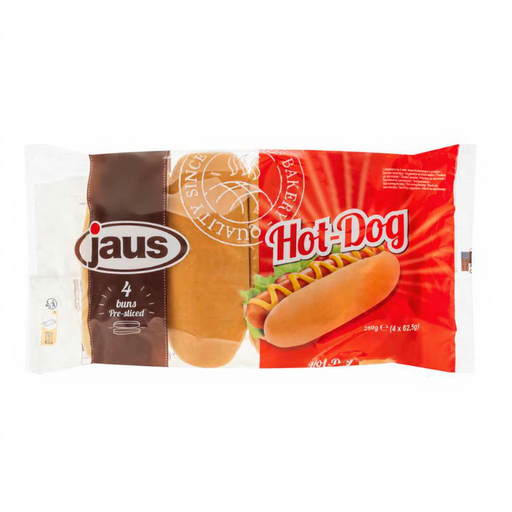 No image available
A bun for a savoury snack with a filling. Before buying, check whether the size and soft texture suit the amount of filling you have in mind.
Pack size: 4 × 250 g.
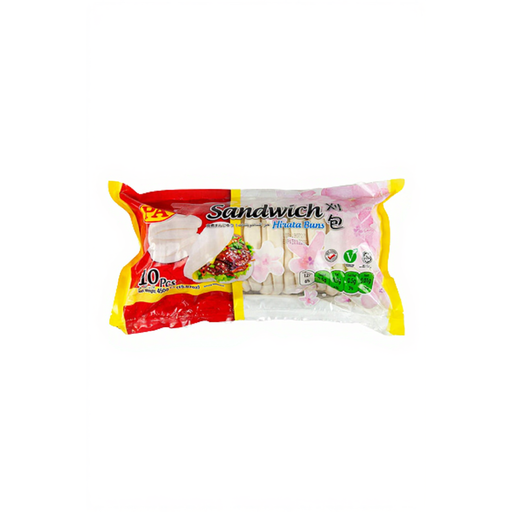 No image available
Sandwich buns for savoury fillings if you have freezer space and a way to steam them. Also check whether you can open each bun as needed for your filling.
Pack size: 10 pieces, 450 g. The buns should be steamed straight from frozen and should not be refrozen once thawed.
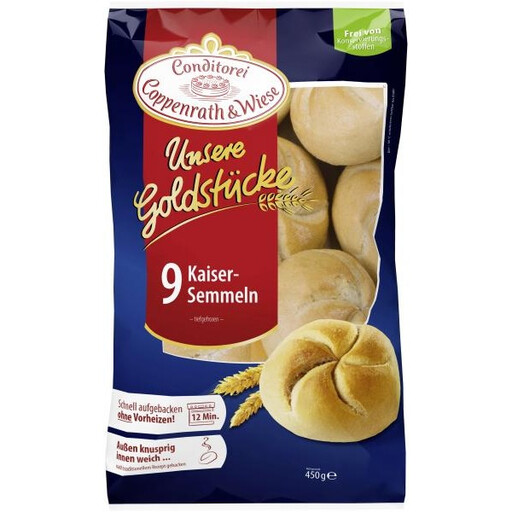 No image available
Kaiser rolls for several snacks, if you have freezer space and access to an oven. If you want to add plenty of filling, check the size of each roll.
Pack size: 9 pieces, 450 g. According to the preparation instructions, the rolls need to be heated in the oven before eating. Do not refreeze once thawed.
Part-baked rolls are a good option if you can use the equipment specified on the pack. For example, the breakfast rolls described by EDEKA need 8–10 minutes in a preheated oven. If you don’t have an oven, choose a product that can be prepared another way.
Plan how to keep the filling chilled; don’t base your plans on the bun alone. The Verbraucherzentrale advises maintaining the cold chain for foods that need to be kept chilled, so check before you shop that you’ll be able to do this while travelling.
Check the details on the specific pack, or ask about allergen information at the point of sale if you’re buying loose buns. Don’t assume that buns with similar names have the same ingredients or ‘may contain’ warnings.