
Lieferung heute & morgen

Qualitätsgarantie

Willkommens-Angebote freischalten: KOSTENLOSE Lieferung | Bis zu 80 % RABATT | Kostenlose 30-Tage-JoyPlus-Testphase
App herunterladen
A good camping chair is more than just a place to sit. It's your spot by the campfire, your comfortable base for fishing, and your well-deserved break at a festival. But the selection is vast, and not every model lives up to its promises. Many buyers get frustrated with wobbly frames, covers that tear easily, or an impractical packed size. This guide will help you identify the crucial features and find a folding chair that truly fits your needs.
Before we dive into the important features, let's look at three common weaknesses that often only become apparent after purchase and lead to frustration.
To avoid these pitfalls, you should carefully examine three key technical parameters before buying. These largely determine the longevity, comfort, and real-world usability of your new chair.
The frame is the skeleton of the chair. There are two primary materials here:
Regardless of the material, the construction is crucial. An X-cross structure under the seat provides even load distribution and high stability. Look for solid joints and non-slip foot caps that provide a secure grip even on softer ground.
Sitting comfort and durability depend directly on the fabric. A proven standard is Oxford fabric, often made of polyester or nylon. The quality is frequently indicated in Denier (D), for example, 600D Oxford fabric. This value signifies a high thread thickness and thus good tear and abrasion resistance.
Additional features to look for:
These three values must always be evaluated in the context of your intended use.
Based on the criteria mentioned, we have identified a few models that represent a well-thought-out solution for different user profiles and use cases.
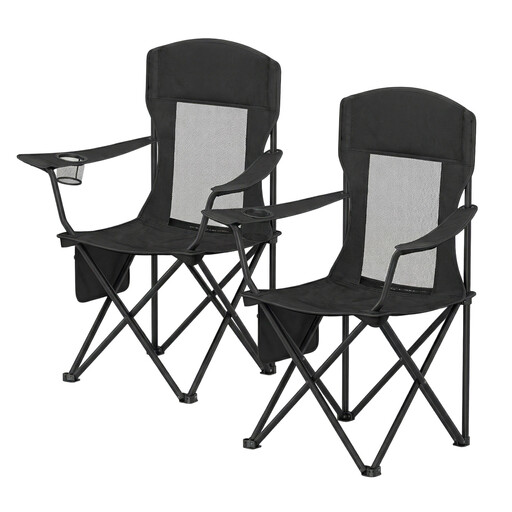
Why it's a good fit: Ideal for couples or families looking for a straightforward and functional seating solution for occasional outings, picnics, or the garden. The set offers excellent value for money for those new to the outdoor world.
The robust steel frame provides a solid base, avoiding the instability of many low-cost models. The Oxford fabric cover with mesh inserts is durable and dries quickly.
High static load capacity of 150 kg per chair. Includes a cup holder, side pocket, and carry bags for easy transport.
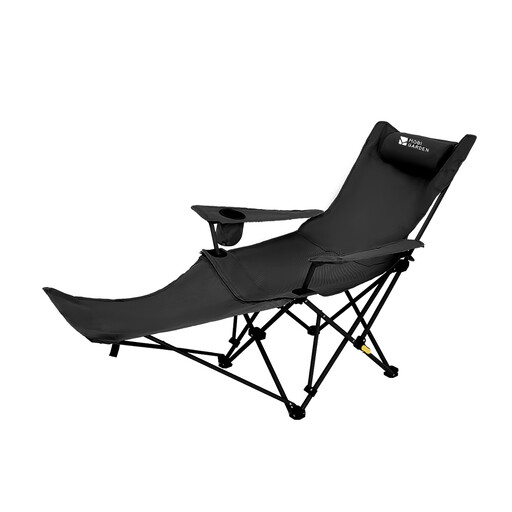
Why it's a good fit: Perfect for anyone who doesn't want to compromise on comfort while camping, at the beach, or on the balcony. The adjustable backrest allows for a relaxed reclining position.
The thickened X-frame structure made of carbon steel ensures high stability up to 110 kg, even in the reclining position. The thick Oxford fabric is designed for durability.
Multiple adjustable positions, a detachable and padded headrest, integrated cup holder, and side pocket.
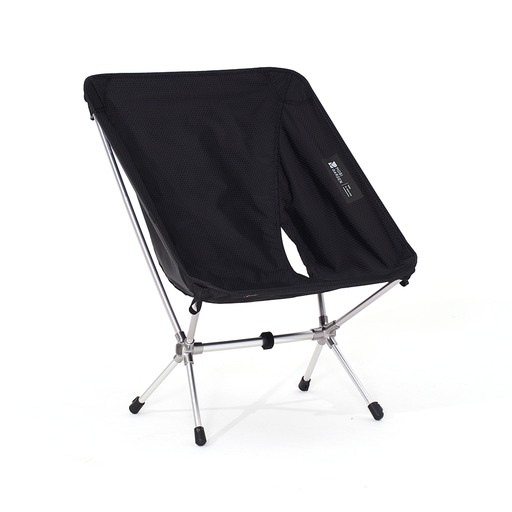
Why it's a good fit: Designed for trekking, bike tours, and backpacking, where every gram counts. Weighing only about 765 g and with an extremely small packed size, this chair fits into any backpack.
Despite its low weight, this chair doesn't skimp on stability. The aircraft-grade aluminium alloy frame and triangulated structure provide a high static load capacity of approx. 140 kg.
Extremely low item weight (approx. 765 g) and minimal packed size (approx. 36 x 11 cm). Quick setup thanks to a hub-and-pole system and tear-resistant Oxford fabric.
We have compiled a complete, up-to-date list of products that fully meet these strict selection criteria and applicable safety requirements.
1. How much weight should a camping chair be able to support? The static load capacity should be used as a guideline. Choose a model that exceeds your body weight by at least 20%. For a person weighing 80 kg, a chair with a load capacity of at least 100 kg would be a safe choice. This provides a margin for dynamic loads that occur when sitting down.
2. What is the difference between a steel and an aluminium frame on a folding chair? A steel frame is typically heavier and less expensive but offers high durability. It is well-suited for stationary use, such as car camping. An aluminium frame is lighter, rust-proof, and more expensive. It is the preferred choice for mobile uses like hiking, festivals, or beach trips where the chair needs to be carried.
3. How do I properly care for my outdoor chair to make it last longer? Clean the chair with a damp cloth after each use to remove dirt, sand, or pollen. Do not use aggressive chemical cleaners. Let the chair air dry completely before storing it in its carry bag to prevent mildew and rust on the frame (for steel models). Store it in a dry, cool place away from direct sunlight.