
Lieferung heute & morgen

Qualitätsgarantie

Willkommens-Angebote freischalten: KOSTENLOSE Lieferung | Bis zu 80 % RABATT | Kostenlose 30-Tage-JoyPlus-Testphase
App herunterladen
A good camping chair is the foundation for relaxing moments outdoors. But the market is flooded with models whose marketing promises often don't hold up in practice. Before you make a decision you'll later regret, it's crucial to understand the typical weak points that can quickly render a seemingly good purchase useless. Many chairs fail not because of obvious defects, but due to subtle design flaws that only become apparent after repeated use.
This guide focuses on the decisive, objective criteria. We'll show you what to look for to find a durable and functional outdoor chair that truly meets your needs—whether for camping, at the beach, or at a festival.
When buying a camping chair, many users fall into the same traps. These three issues are the most common sources of disappointment:
To avoid the pitfalls mentioned above, you should base your choice on three fundamental parameters. These determine the longevity, comfort, and practicality of your chair.
The frame material is crucial for stability and weight. There are two primary options here:
Not all folding camping chairs are created equal. The way a chair folds determines how compact and portable it truly is.
Always compare the exact packed dimensions (length x width x height in cm) and the net weight in kg.
Comfort depends not only on padding but significantly on the fabric and dimensions.
Instead of making a one-size-fits-all recommendation, we have identified models that meet specific needs and purposefully avoid the weaknesses mentioned above.
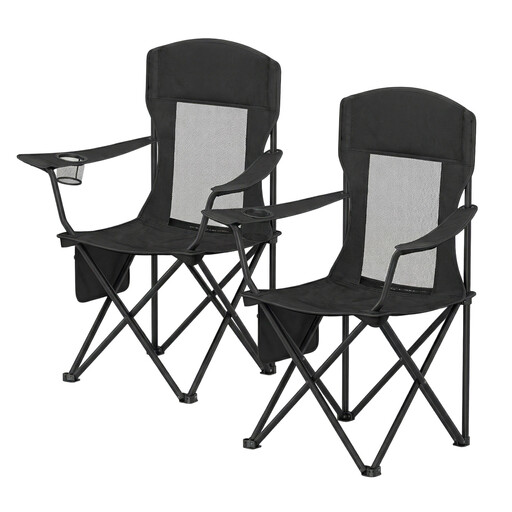
Why it's a great fit: Ideal for users who travel by car and don't want to compromise on comfort. The high backrest and stable construction are perfect for longer stays at the campsite or in your own garden.
The robust steel frame and reinforced joints provide high stability, supporting a static load of up to 150 kg according to the manufacturer. The breathable mesh fabric dries quickly and prevents material fatigue.
High backrest for better support; integrated cup holder and organiser pocket; comes in a practical set of 2.
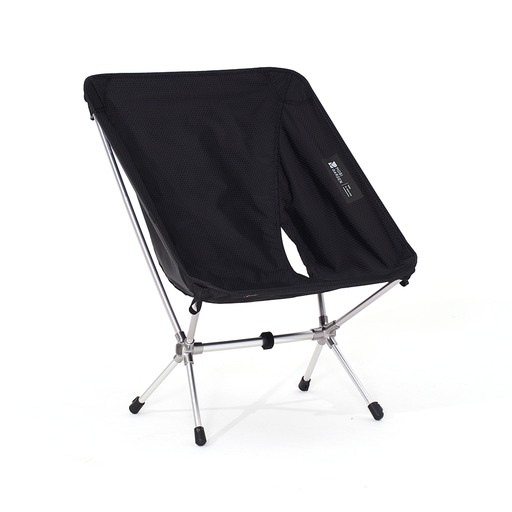
Why it's a great fit: For everyone for whom every gram counts. Perfect for hiking, bike tours, or festivals where you have to carry your own gear.
The extremely small pack size (36 x 11 cm) and a weight of only approx. 765 g solve the transport problem. Despite its low weight, the aluminium alloy frame offers a stable, triangulated structure for a load capacity of up to 140 kg, according to the manufacturer.
Extremely lightweight and compact; quick setup thanks to a pole system with elastic cords; tear-resistant Oxford fabric.
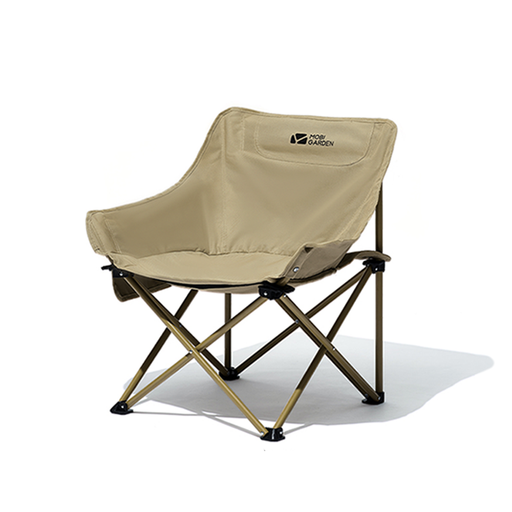
Why it's a great fit: A well-balanced compromise of comfort, stability, and portability. The bowl-shaped seat is comfortable and suitable for various activities, from picnics to fishing.
The X-shaped cross-folding of the carbon steel frame ensures a stable footing. The padded Oxford fabric is durable and offers a good compromise between resilience and comfort, without immediately soaking through in damp conditions.
Comfortable, U-shaped bucket seat; easy to fold and unfold; side storage pocket for small items.
We have compiled a complete, up-to-date list of products that fully meet these strict selection criteria.
1. How much weight should a good camping chair support? Most standard camping chairs have a specified maximum static load capacity of 100 to 120 kg. This is sufficient for most adults. If you want greater stability or will be putting the chair under heavy use, it is advisable to choose a model with a load capacity of 140 kg or more. These are often equipped with a reinforced steel or aluminium frame.
2. What is the difference between a camping chair and a fishing chair? Although the terms are often used interchangeably, there are functional differences. A fishing chair typically has a lower seat height, so you are closer to the ground and the water. They are often built more robustly to remain stable on uneven banks. A classic camping chair usually has a higher seating position, which is more suitable for sitting at a table, and often places more emphasis on low weight and comfort through higher backrests.
3. How do I properly care for my camping chair to make it last longer? Proper care is simple and significantly extends the lifespan of your chair. Clean off coarse dirt like mud or sand after each use. Wipe the frame and fabric with a damp cloth. Allow the chair to air dry completely before storing it in its carry bag to prevent rust on the frame and mould on the fabric. Store it in a dry, cool place.