
Lieferung heute & morgen

Qualitätsgarantie

Willkommens-Angebote freischalten: KOSTENLOSE Lieferung | Bis zu 80 % RABATT | Kostenlose 30-Tage-JoyPlus-Testphase
App herunterladen
A good camping chair is more than just a place to sit. It's your companion for relaxing hours by the lake, at a festival, or in your own garden. However, the selection is vast, and not every model lives up to its promises. Before you make a decision, it's crucial to understand the most common pitfalls that can lead to an unsatisfying purchase.
Many buyers are swayed by exaggerated marketing claims, only to discover during use that their new chair is uncomfortable, unstable, or impractical. The most common issues include:
To avoid these problems, you should focus on the objective features that define a functional and durable chair.
Instead of being guided by marketing buzzwords, you should examine three core parameters. These significantly determine the quality, durability, and practical utility of your new camping chair.
The foundation of any good folding chair is its frame. There are two common materials:
The cover fabric is crucial for comfort and weather resistance. A commonly used material is 600D Oxford fabric. This polyester material is known for its tear resistance and durability. Models with mesh inserts offer better ventilation, which is particularly advantageous on warm days.
A folding chair must be portable. Therefore, pay close attention to the specifications for weight and folded dimensions (pack size). Consider how you will transport the chair: by car, on a bicycle, or on foot?
The maximum load capacity is specified in kilograms (kg). It is advisable to choose a model whose stated capacity is significantly higher than your own body weight to ensure a safety margin. A stable cross-frame construction is a key contributor to its sturdiness.
Ergonomics is not a luxury but a necessity for comfortable seating. Features like armrests, a high backrest for neck support, or a slightly inclined seat can significantly enhance comfort. A fishing chair or beach chair with a low seat height can be practical, whereas a higher seating position is more advantageous for dining at a camping table.
Based on these objective criteria, we have identified several models suitable for different user profiles.
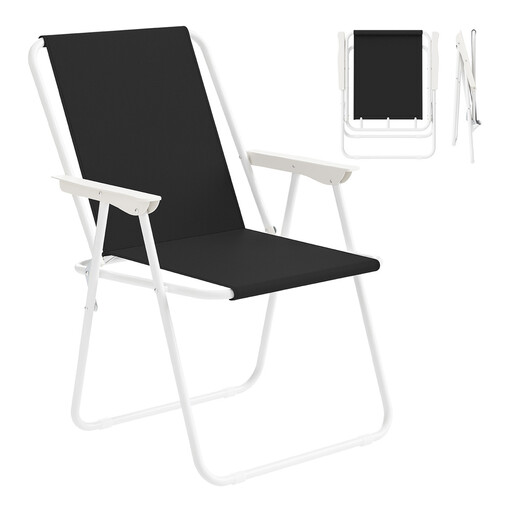
Why This Fits Their Persona: Ideal for users looking for a straightforward, lightweight, and quick-to-deploy chair for various activities like fishing, camping, or picnics, without making a significant investment.
Its low weight of approx. 2.1 kg and simple folded dimensions make it genuinely portable, avoiding the pitfall of a bulky chair.
Combines 600D Oxford fabric with an 18mm iron tube frame for a good balance of durability and weight. No assembly required.
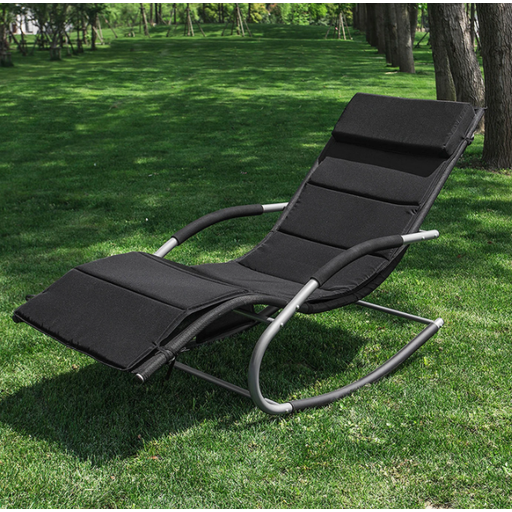
Why This Fits Their Persona: Perfect for individuals seeking maximum comfort in the garden, on the balcony, or while camping, who prefer a reclining function.
Addresses the lack of seating comfort with its ergonomic curves, a headrest, and breathable Textilene fabric that prevents sweating.
Zero-gravity feature for a relaxed reclining position. High load capacity of 150 kg (manufacturer's specification) and a convenient side pocket for accessories.
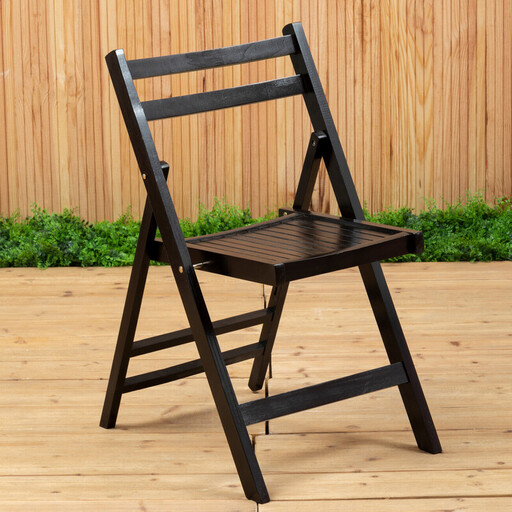
Why This Fits Their Persona: Suitable for use on the balcony, patio, or as extra seating in the garden where a more appealing aesthetic is desired in addition to functionality.
Its flat-folding design allows for space-saving storage, solving the problem of a potentially bulky chair for home use.
The solid poplar wood construction offers a stable and visually appealing alternative to typical metal-and-fabric camping chairs.
We have compiled a complete, up-to-date list of products that fully meet these strict selection criteria and comply with rigorous safety standards.
Proper care depends on the material. Chairs with fabric covers should be dried completely after use, especially after rain, to prevent mould and mildew. Stains can usually be removed with a damp cloth and mild soap. Regularly check the joints and screws, tightening them as needed. Store the chair in a dry place when not in use.
"D" stands for Denier, a unit of measurement for the density of a yarn. A higher number indicates a thicker, stronger, and therefore more durable yarn. 600D Oxford fabric is a standard for many outdoor products because it offers a good balance between durability, weight, and cost. It is known for its resistance to tearing and abrasion.
Not necessarily. While a heavier weight often indicates a more robust material like steel, the frame's construction is just as crucial for stability. A well-designed aluminium chair with reinforced joints and a wide base can be more stable than a poorly designed, heavy steel chair. Pay attention to the frame geometry and the quality of the connection points.