
Lieferung heute & morgen

Qualitätsgarantie

Willkommens-Angebote freischalten: KOSTENLOSE Lieferung | Bis zu 80 % RABATT | Kostenlose 30-Tage-JoyPlus-Testphase
App herunterladen
A camping chair needs to offer more than just a folding design. Whether you are sitting around the campfire, fishing or relaxing on the balcony, stability, packed size and a comfortable seating position all matter. It is often only after buying that you discover a model is too heavy to transport, wobbles on uneven ground or does not offer the expected load capacity.
The most common pitfalls usually come down to three points:
Pay attention to the specified maximum load capacity and check whether it applies to an individual chair or a set. A camping chair with a load capacity of up to 180 kg is an attractive option for users who need a higher weight limit. However, this figure should always be regarded as the manufacturer’s specification and does not replace a safety margin when using the chair on uneven ground.
Steel, aluminium or aluminium alloys are commonly used in the construction. Steel frames are generally heavier, but can provide greater inherent stability in larger seating furniture. Aluminium reduces the weight and is particularly suitable for trekking or frequent transport. The specific frame construction, joints and feet remain decisive factors.
Compare the seat width and seat depth with your preferred sitting position. A high backrest measuring, for example, 70 cm can provide better support for the shoulders. A seat height of around 50 cm makes it easier for many people to stand up, while lower models are more suitable for relaxed sitting on the beach.
With an adjustable camping chair, you should also check how many positions are available and whether the backrest locks securely. A reclining chair with a lie-back function needs sufficient floor space. This is not always practical on a small balcony or in a full awning.
An ultra-light camping chair weighing less than 1 kg is easy to carry on backpacking trips, but usually offers a more compact seat and less padding. For caravan and motorhome trips, the model can be slightly heavier if it provides a backrest, armrests or a larger seat.
Practical features include:
A set of 2 camping chairs can be useful if you need two seats. When comparing options, look at the weight per chair and the total packed size, not just the set price.
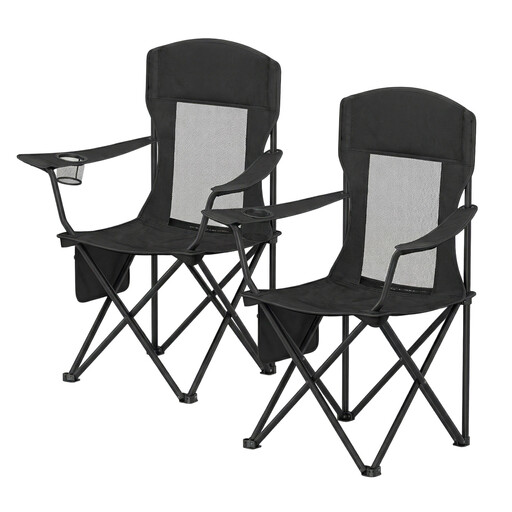
Why this product suits this profile: This set includes two folding chairs for camping, picnics, the garden or festivals. At 2.5 kg per chair and with a carry bag, transport remains manageable.
The maximum static load capacity of 150 kg per chair is clearly specified. Drinks holders, organiser pockets and carry bags are listed as included in the delivery.
Two chairs per pack, an open size of 51.5 × 86.5 × 97 cm and quick-drying mesh fabric.

Why this product suits this profile: The high backrest and wide seat are designed for longer periods of sitting while camping, in the garden, fishing or on the terrace.
The product data specifies a 58 × 52 cm seat, a 50 cm seat height and a load capacity of up to 180 kg. This makes it easier to check the key details before buying.
500D polyester, steel frame, hard armrests, mesh back panel and rotating drinks holder.
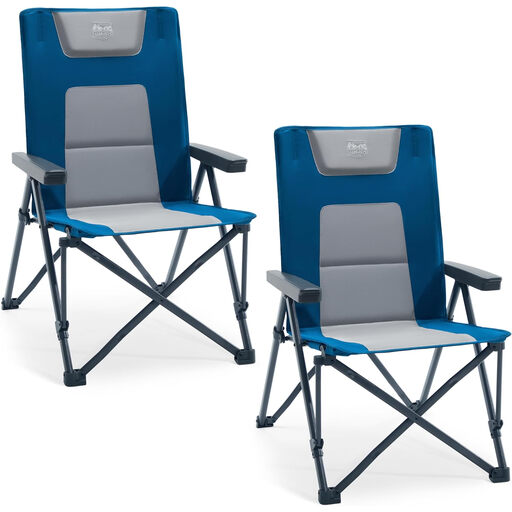
Why this product suits this profile: This set is designed for people who need two larger chairs with adjustable backrests for caravanning, fishing or use in the garden.
The four-position adjustable backrest and details about the frame, seat dimensions and load capacity are clearly listed in the product data.
Two chairs, padded back and head areas, steel frames, four positions and a specified maximum load capacity of 260 kg per chair.
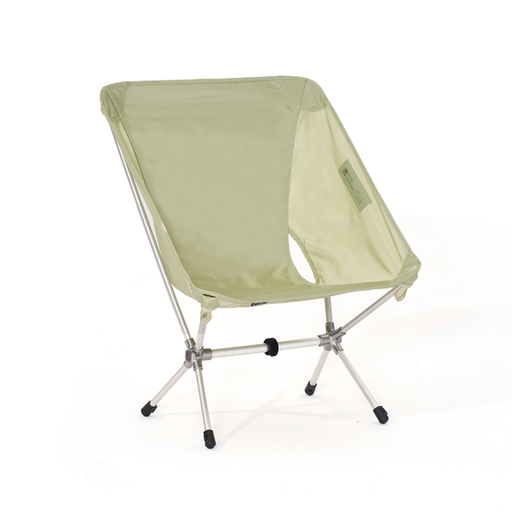
Why this product suits this profile: Weighing around 765 g and with a packed size of approximately 11 × 11 × 36 cm, this outdoor chair is suitable for trekking and backpacking trips.
The low weight is combined with a clearly specified static load capacity of approximately 140 kg. Use on firm, level ground is still essential.
Aluminium frame, non-slip rubber feet, Oxford fabric and a one-handed folding mechanism.
We have put together a complete, regularly updated list of products that fully meet these strict selection criteria and the safety regulations applicable in the EU.
A camping chair will remain usable for longer if you store it in a dry place and remove sand, mud or moisture after use. A damp cloth is usually enough for cleaning, with mild soap if required. Harsh cleaning products, machine washing and prolonged storage in direct sunlight can damage the material and coating.
Before sitting down, you should:
A beach chair should be cleaned particularly carefully and dried completely after contact with sand and salt water. On soft ground, additional support surfaces may be useful, provided the manufacturer permits this. Do not stand or jump on a garden chair or camping chair.
For use with a car, in the garden or in a motorhome, around 2.5 to 6.5 kg per chair is practical, depending on the frame, seat and features. For trekking, a significantly lighter model is preferable. A lower weight often comes with less padding and a more compact seat.
Its lifespan depends on the load, number of folding cycles, moisture, UV exposure and storage conditions. Regularly check the seams, joints, frame and feet. If you notice visible cracks, bent parts or an insecure locking mechanism, stop using the chair.
For camping, festivals, fishing and picnics, a drinks holder can make your drink easier to reach. However, it is not a substitute for a secure surface: heavy bottles or hot drinks can place sideways pressure on the chair or spill. Also check whether the pocket is large enough for your bottle.