
Lieferung heute & morgen

Qualitätsgarantie

Willkommens-Angebote freischalten: KOSTENLOSE Lieferung | Bis zu 80 % RABATT | Kostenlose 30-Tage-JoyPlus-Testphase
App herunterladen
A good camping chair is more than just a place to sit. It's your companion for relaxing hours by the lake, a necessary comfort zone at a festival, or a well-deserved break during a long hike. But the market is overwhelming, and many models promise more than they can deliver. Misleading material specifications and exaggerated marketing slogans often lead to purchases you quickly regret. This guide will help you identify the crucial features and find a robust, durable chair that truly fits your needs.
Before we dive into the important features, you should be aware of the typical problems that often only become apparent after the purchase.
To avoid the pitfalls mentioned above, focus on three verifiable criteria. These determine durability, portability, and comfort.
The foundation of any good chair is its material. There are clear differences you should know.
The static load capacity indicates the maximum weight the chair can support in a stationary state. For safety, always choose a model with a load capacity at least 20% above your own body weight. A stable cross-frame design (X-shape) and wide, non-slip foot caps are essential for the chair to have a secure footing on softer surfaces like sand or grass. This is particularly important for a fishing chair, which is often placed on uneven terrain.
The ideal chair is a compromise between comfort and portability.
Here are some models tailored to specific use cases that meet the criteria mentioned above.
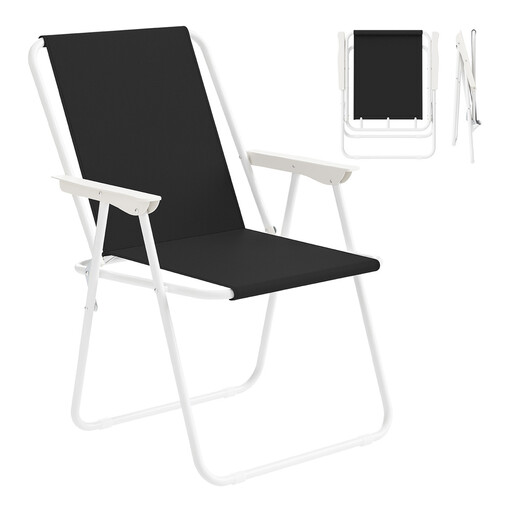
Why this model is a good fit: Ideal for occasional use at festivals, picnics, or as a simple fishing chair. It offers solid basic features without unnecessary extras, making it a pragmatic choice for getting started.
This model avoids the unstable construction trap with a frame made of 18mm iron tubes and a 600D Oxford fabric cover, enabling a load capacity of up to 100 kg.
No assembly required, very light (2.1 kg), and folds flat. Offers good basic comfort with armrests and a high backrest.
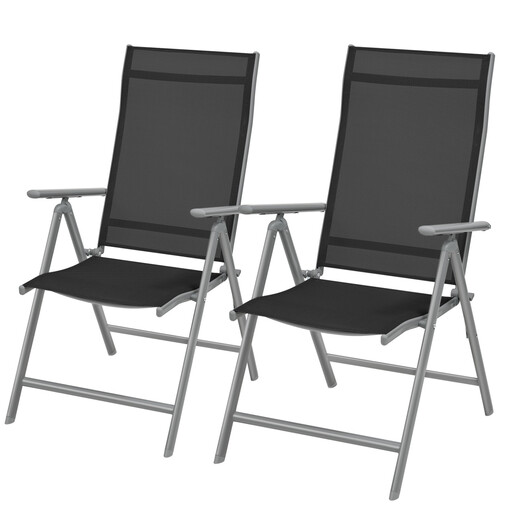
Why this model is a good fit: Perfect for extended stays at the campsite or in the garden where comfort is the priority. The adjustable backrest allows for a relaxed sitting or reclining position.
This model avoids the material trap with a robust aluminium frame and breathable synthetic fabric that ensures comfort even on hot days and dries quickly.
The backrest is adjustable in 8 positions (90° to 135°). High load capacity of 150 kg per chair while maintaining a compact folded size.
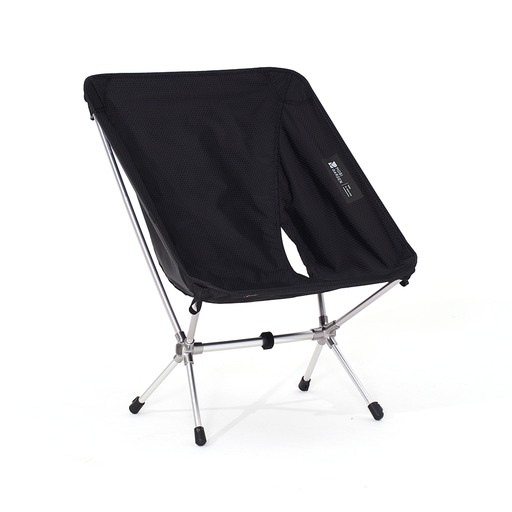
Why this model is a good fit: Designed for backpackers and hikers for whom every gram and centimetre in their pack counts. It offers a surprisingly stable seat with minimal weight and pack size.
It debunks the myth that ultralight chairs are unstable. The aerospace-grade aluminium frame and triangulated structure achieve a high load capacity of 140 kg.
Extremely lightweight (approx. 765 g) and a packed length of only 36 cm. Setup is quick and straightforward thanks to the rapid-fold structure.
We have compiled a complete, up-to-date list of products that fully meet these strict selection criteria and safety regulations.
1. How do I properly care for a camping chair to extend its lifespan? Clean the chair after each use, especially after contact with mud, sand, or saltwater. Wipe the frame and fabric with a damp cloth. Do not use harsh cleaning agents. Allow the chair to air dry completely before storing it in its carrying bag to prevent mould and rust on the frame.
2. What does the static load capacity mean for a folding chair? The static load capacity indicates the maximum weight the chair can support on a level surface when stationary. It is an important indicator of the stability of the frame and joints. It is recommended to choose a model with a specified load capacity significantly higher than your own body weight to have a safety margin for dynamic movements like sitting down.
3. Is a high-back camping chair always the better choice? Not necessarily. A high-back camping chair offers more comfort for the head and neck and is ideal for longer, relaxed sitting, such as when reading or by the campfire. For activities where mobility and low weight are priorities, like for a festival chair or on a hike, a more compact model with a lower backrest is often the more practical solution due to its smaller pack size and lower weight.