
Lieferung heute & morgen

Qualitätsgarantie

Willkommens-Angebote freischalten: KOSTENLOSE Lieferung | Bis zu 80 % RABATT | Kostenlose 30-Tage-JoyPlus-Testphase
App herunterladen
A good camping chair is more than just a place to sit—it's your personal comfort zone on the go. But the market is flooded with models that over-promise and under-deliver. An unstable chair that gives out after its second festival, or an uncomfortable model that turns a fishing trip into a test of patience, are frustrating and unnecessary expenses. Before you make a decision, you should know the three most common pitfalls that lead to a bad purchase.
To avoid these pitfalls, it's crucial to focus on objective, verifiable criteria. These three parameters are essential for making an informed decision.
The frame is the skeleton of any folding chair and largely determines its stability and durability.
Sitting comfort and durability depend heavily on the fabric used. A common quality indicator is the 600D Oxford fabric designation. The "D" stands for Denier and describes the thread gauge. A higher value generally means a more tear-resistant and durable material. Also, look for reinforced seams, especially at the stress points.
The intended use determines the ideal design.
Based on these objective criteria, we have put together a few models for different user profiles.
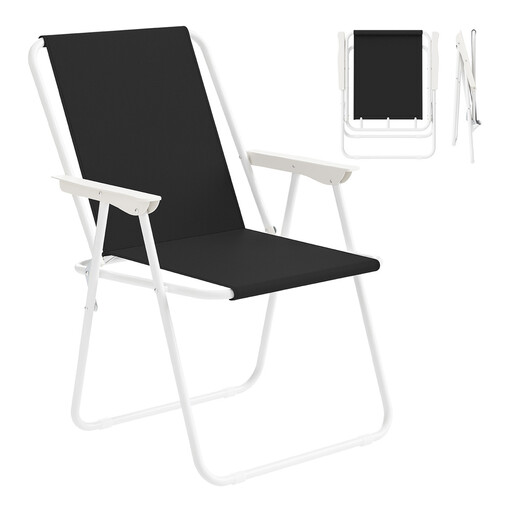
Why This Fits Their Persona: Ideal for occasional users, festival-goers, or as a simple garden chair. It offers basic functionality without unnecessary extras and is easy to transport and store.
It avoids the material trap by using solid 18 mm iron tubes and durable 600D Oxford fabric, which provides a reliable foundation in this price range.
Very low weight of approx. 2.1 kg and a simple, flat-folding mechanism for easy storage.

Why This Fits Their Persona: Perfect for anglers, RV travellers, and anyone who wants to sit comfortably outdoors for extended periods. The sturdy construction and thoughtful details are designed for comfort and longevity.
It solves the comfort trap with a 70 cm high backrest for shoulder support and solid plastic armrests that make standing up and sitting down easier—a clear advantage over wobbly fabric armrests.
High weight capacity of up to 180 kg, a breathable mesh panel in the back, and practical extras like a cup holder and side pocket.
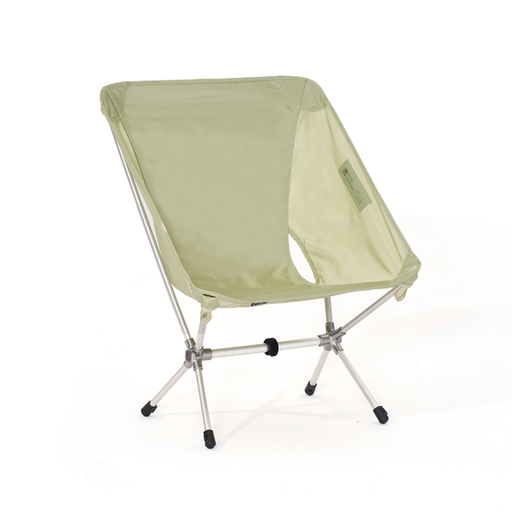
Why This Fits Their Persona: Designed for backpackers, hikers, and cyclists for whom every gram counts. This chair provides a place to sit without adding significant weight to your pack.
It avoids the trap of bulky 'portable' chairs with a frame made of aerospace-grade aluminium alloy and a smart folding structure that allows for a packed length of just 36 cm.
Extremely low weight of only approx. 765 g, yet with a solid static load capacity of approx. 140 kg.
We have compiled a complete, up-to-date list of products that fully meet these strict selection criteria and applicable safety regulations.
1. How do I properly care for a camping chair to extend its lifespan?
Clean the chair with a damp cloth after each use. Remove dirt and sand, especially from the joints. Let the chair air dry completely before storing it in its carrying bag to prevent mould and rust. Store it in a dry place.
2. What does "static load capacity" mean for a camping chair?
The static load capacity indicates the maximum weight the chair can support when the load is applied slowly and evenly (e.g., when sitting down slowly). It does not account for dynamic forces such as suddenly dropping into the chair or rocking, which can place a significantly higher strain on the material.
3. Is a steel or aluminium frame better for a folding chair?
That depends on the intended use. A steel frame is often more stable and less expensive, but also heavier. It is well-suited for car camping or use in the garden. An aluminium frame is the choice for anyone who needs low weight and portability, such as for hiking, cycling, or attending festivals where gear must be carried.