
Lieferung heute & morgen

Qualitätsgarantie

Willkommens-Angebote freischalten: KOSTENLOSE Lieferung | Bis zu 80 % RABATT | Kostenlose 30-Tage-JoyPlus-Testphase
App herunterladen
Choosing the right camping cookware can be the difference between a warm, restorative meal and a frustrating outdoor experience. The market offers a dizzying array of options, but not every set delivers on its promises. Many outdoor enthusiasts invest in gear that quickly proves to be impractical, inefficient, or non-durable. This guide will help you identify the crucial features to make an informed decision.
Before we dive into the key parameters, let's look at three common problems that lead to buyer's remorse:
To avoid these pitfalls, you should base your selection on objective criteria. The following three parameters are crucial for a functional and durable camping pot set.
The material determines weight, durability, and heat conductivity. For lightweight camping cookware, a specific combination of materials has proven to be particularly effective:
A heat exchanger is one of the most significant innovations in modern cookware. It consists of a fin-like ring structure on the bottom of the pot.
How it works: These fins increase the surface area exposed to the flame and capture the hot air that would otherwise flow past the sides of the pot. According to manufacturers, this technology can reduce cooking time by up to 30% and lower fuel consumption accordingly. On a multi-day trip, this means less weight in your backpack, as fewer gas canisters are needed.
A good trekking cookware for 2-5 people is characterised by a thoughtful, nesting design. All pots, pans, and lids should form a compact unit, often with enough space inside for a small gas canister and a burner.
When considering capacity, pay attention to the usable volumes. As a rule of thumb:
Here are some product recommendations tailored to different needs and scenarios.
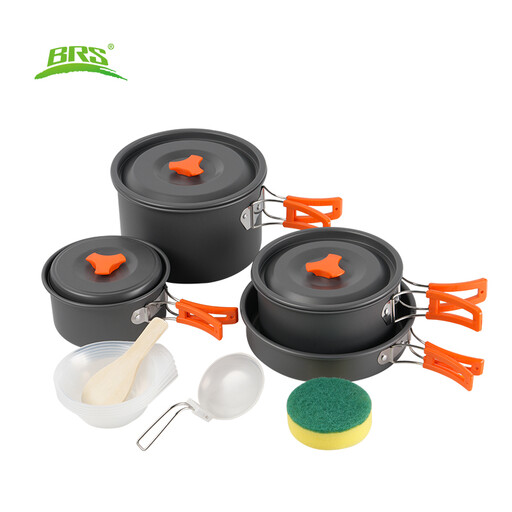
Why This Fits Their Persona: Ideal for small groups and families who prioritise fast cooking times and fuel efficiency. The set is designed for 2-5 people and covers various cooking methods with its pots and pan.
The hard-anodised aluminium is dimensionally stable and durable. The integrated heat exchanger directly addresses the problem of inefficiency. The clearly defined pot sizes (2.9L, 1.7L) are practical for the specified number of people.
Energy-efficient design thanks to the heat exchanger ring; a complete, nesting set with a non-stick coating for easy cleaning.
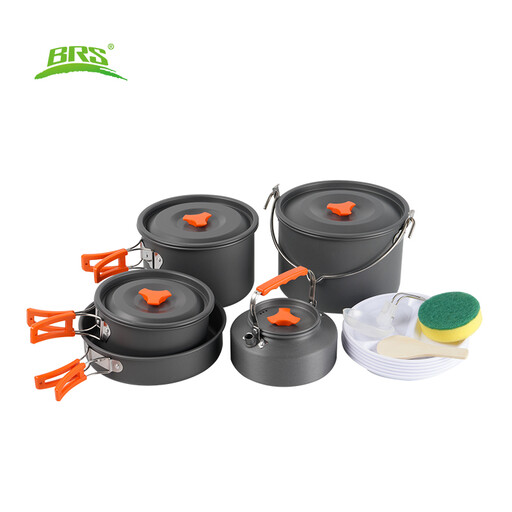
Why This Fits Their Persona: Designed for larger groups or campers who prepare more elaborate meals. The large 4.2-litre hanging pot is excellent for cooking over a campfire, offering maximum flexibility.
This set avoids the pitfall of misleading size claims with its generous and clearly stated capacities. The specially treated aluminium provides the necessary robustness for use over an open fire.
Very large capacity for group meals; versatile use with the hanging pot for campfires; space-saving, nesting design.
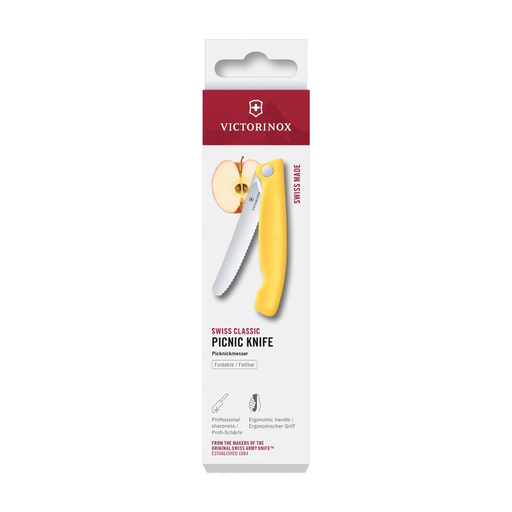
Why This Fits Their Persona: A reliable knife is essential for cold meals on the go or as a complement to a cookware set. This lightweight folding knife is ideal for picnics, hikes, and preparing snacks without taking up much space or weight.
It avoids the pitfall of carrying oversized gear for simple tasks. Instead of a heavy knife, it offers a sharp, safe, and legal solution for everyday cutting jobs outdoors.
Extremely light (42g) and compact; sharp serrated blade, ideal for fruit, vegetables, and bread; secure locking mechanism; made in Switzerland.
We have compiled a complete, real-time list of products that fully satisfy these strict selection criteria and UK safety regulations.
1. How do you properly clean a camping cookware set with a non-stick coating? Allow the cookware to cool completely after use. To clean, use a soft sponge or cloth with warm water and, if necessary, a mild dish soap. Absolutely avoid steel wool or abrasive scourers, as they will damage the coating. For stubborn residue, you can soak the pot with water for a short time. Dry all parts thoroughly before packing them away.
2. Is cookware with a heat exchanger really worth it? Yes, especially for frequent use or on longer tours where every gram counts. The higher efficiency leads to a noticeable reduction in fuel consumption. This means you need to carry fewer gas canisters, which reduces the overall weight of your pack. The time saved on cooking is an added convenience, especially in adverse weather conditions.
3. What is the most practical material for trekking cookware? For most applications, hard-anodised aluminium offers the best compromise between low weight, good heat conductivity, and robustness. While titanium is even lighter, it is also more expensive and tends to create "hot spots" due to poorer heat distribution, making cooking more challenging. Stainless steel is very durable and hygienic but is significantly heavier and therefore more suitable for base camping than for long trekking tours.