
Lieferung heute & morgen

Qualitätsgarantie

Willkommens-Angebote freischalten: KOSTENLOSE Lieferung | Bis zu 80 % RABATT | Kostenlose 30-Tage-JoyPlus-Testphase
App herunterladen
Whether you’re going away for the weekend, heading to a festival, going hiking or taking a family holiday, your camping equipment needs to suit where you’re going, how many people are coming and how you’ll transport it. Marketing claims such as ‘all-weather’, ‘ultra-quick setup’ or ‘suitable for winter’ aren’t always clear. If you focus only on the price or a few key phrases, you could end up with a tent that’s the wrong size when packed, a sleeping bag that’s too warm or too thin, or accessories that aren’t much use when you’re away.
This buying guide explains which details are worth checking before you buy, and which products may suit different types of camper.
When choosing a waterproof tent, consider the hydrostatic head of the flysheet, the construction of the groundsheet and the finish of the seams. A high rating alone doesn’t tell you how the tent will perform in wind, prolonged rain or on wet ground. Ventilation matters too, as otherwise condensation can build up inside.
Don’t buy a winter sleeping bag based on its name alone. The key factors are its stated temperature range, filling, shape and your own sleeping habits. For example, the Mobi Garden sleeping bag has a stated comfort range of 8 to 14 °C. According to the product details, it is not designed for temperatures below freezing or winter camping at high altitudes.
A lightweight tent or compact outdoor sleeping bag saves space in your car or rucksack. However, you may have to compromise on stability, headroom or room to move. When choosing camping equipment, always consider setup dimensions, packed size and weight together. A compact storage bag is useful if it fits the folded product and has carry handles or compression straps.
The label ‘for 2 to 4 people’ often refers to the maximum number of people who can sleep in the tent. A tent of this size may already feel cramped for two adults with their luggage. So check the following:
According to the product description, the VXOYO tent features an automatic hydraulic opening system, two doors and two windows. The flysheet is stated to have a water resistance of up to 3,000 mm. Treat this manufacturer’s figure as a technical guide, not a guarantee that the tent will suit every weather condition.
A camping sleeping bag in a mummy or envelope shape will usually keep you warm differently from an open camping blanket. A roomy envelope sleeping bag gives you more freedom to move, while a closer-fitting shape has less interior space to warm up. Check the following:
A camping blanket or roomy outdoor sleeping bag can be handy for summer nights, guests or use in a vehicle. In colder temperatures, don’t let extra marketing claims distract you from the stated comfort range.
Damp is a common cause of unpleasant smells and material damage. Make sure sleeping bags are completely dry before storing them in a bag. Fillings that are kept tightly compressed for long periods can lose their loft. Tents should also be dry and free from sand or dirt before being packed away. Sharp branches, naked flames and hot cooking equipment can damage polyester fabric.
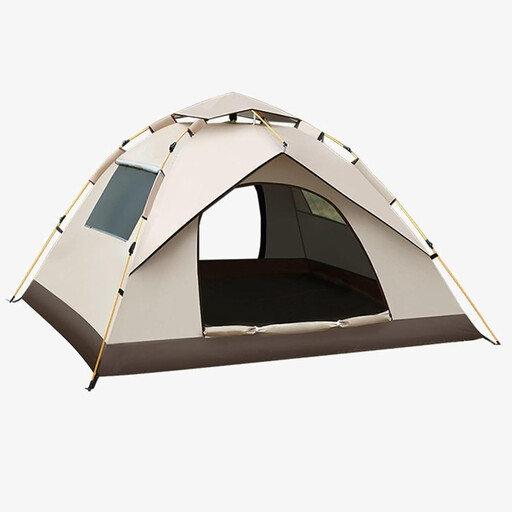
Why it suits this type of camper: Its pre-assembled design and stated automatic opening system are ideal for campers who want to get started without having to put together a complex pole structure.
The product description gives specific dimensions, a packed size and a flysheet water-resistance rating of up to 3,000 mm, rather than relying solely on general claims about the weather.
Two doors, two windows, a double-layer construction and an included carry bag.
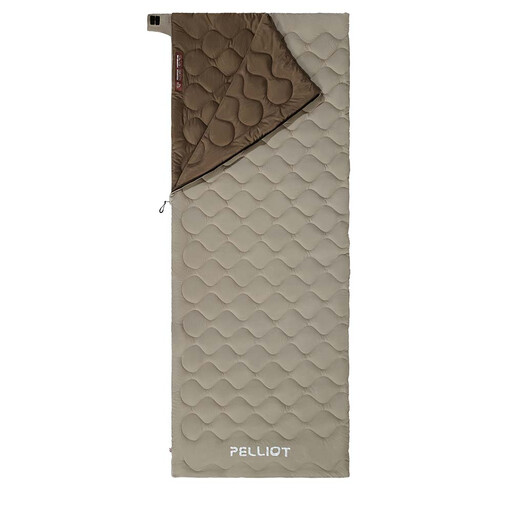
Why it suits this type of camper: Its lightweight envelope shape and stated Primaloft insulation will appeal to campers who pay close attention to materials and want an easy-to-carry design.
This pick is based on the stated insulation and shape. Check the product details separately for temperature ratings before buying.
Primaloft insulation and a portable envelope design, according to the product name.
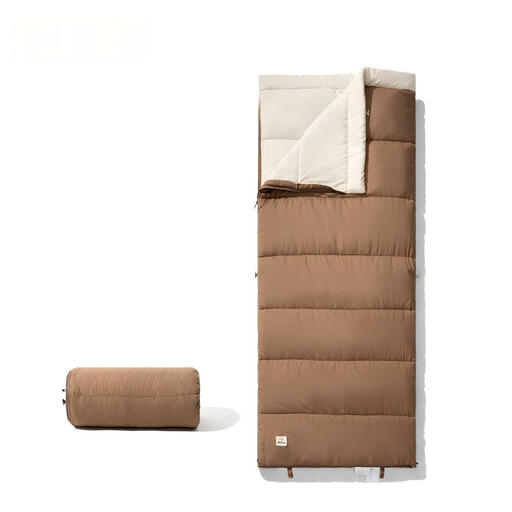
Why it suits this type of camper: Its roomy blanket shape is a good choice for campers who want more freedom to move or would like to join two compatible sleeping bags together.
The stated comfort range of 8 to 14 °C makes its intended temperature range clear. The guidance explicitly rules out use below freezing.
Unzipped dimensions of 190 × 84 cm, a net weight of around 1,800 g, and left- and right-hand versions that can be zipped together.
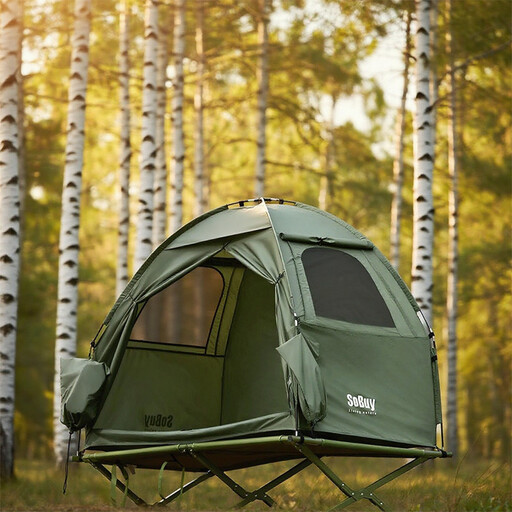
Why it suits this type of camper: The one-person design is aimed at solo travellers who want separate compartments for shoes and small items.
The product details give the interior and packed dimensions, weight and specific storage features, rather than just a general size label.
A light hook, two shoe storage pockets, mosquito netting and a carry bag with handles.
We’ve put together a complete, regularly updated list of products that meet these strict selection criteria and fully comply with the safety regulations in force in the EU.
For one person, the essentials usually include a tent, sleeping bag or camping blanket, sleeping mat, lighting, weather-appropriate clothing and a compact cooking or drinking solution. Couples and families will need larger sleeping mats, extra storage and more camping accessories. A packing list helps make sure you don’t forget small but important items such as tent pegs, repair materials or a compact storage bag.
Its lifespan depends on how often it’s used, UV exposure, wind, damp and how well it’s cared for. Dry your tent fully after every trip and store it somewhere dry. Check damaged seams, zips or poles as soon as possible. It isn’t possible to give a reliable general lifespan without knowing the specific materials and care conditions.
The cost mainly depends on how many people you’re buying for, the temperature range, materials, packed size and features you want. If you hike regularly, give more weight to weight and pack volume. For the occasional festival or car-camping trip, larger, more comfortable models may make sense. Comparing the technical details can help you avoid paying for features you won’t need.