
Lieferung heute & morgen

Qualitätsgarantie

Willkommens-Angebote freischalten: KOSTENLOSE Lieferung | Bis zu 80 % RABATT | Kostenlose 30-Tage-JoyPlus-Testphase
App herunterladen
Whether it’s a weekend trip, family holiday, festival, fishing excursion or day at the beach, the right camping equipment determines how hassle-free your time outdoors will be. All too often, purchases are made on the back of flashy marketing claims rather than verifiable data. Unsuitable dimensions, missing load capacity information or an unrealistic intended use can later lead to unnecessary expense.
This guide shows what German shoppers should look for when buying camping tents, sleeping bags, cool boxes, power stations, camping chairs, camping tables and transport trolleys.
A pop-up tent is generally quicker to pitch than a classic tent with loose poles. Even so, buyers should check whether the poles come pre-assembled, how large the packed size is, and whether guy ropes are included. A fast setup does not replace stable positioning on level ground.
Also, the stated number of people does not always mean there is enough space. With a camping tent for two to four people, you should also pay attention to internal length, internal width, height and storage room for luggage.
A passive cool box maintains temperature but does not generate its own cold. Claims like “up to 40 hours” depend on factors including the type of ice, fill volume, ambient temperature, sunlight exposure and how often the lid is opened.
If you pack pre-chilled drinks and food, leave as little empty space as possible and place the box in the shade, you will use the existing insulation more efficiently. For perishable foods, the usual requirements for cold chain, hygiene and storage duration also apply.
With a camping chair or folding trolley, the maximum load capacity is an important check point. For a transport trolley, the actual ground conditions also matter: small wheels can struggle on sand, roots or coarse gravel compared to paved paths.
With a power station, watt-hours are not the only deciding factor. Continuous power output, peak power, connection types, weight, charging time and protection against moisture determine whether the device suits your particular use.
With a tent, the water column describes the fabric’s resistance to water pressure. A value of 3,000 mm, as stated for the VXOYO model, is a technical material specification. Actual weather resistance also depends on seams, groundsheet, zips, guy points and correct pitching.
Also look out for:
A sleeping bag should be chosen according to the intended temperature range. The “Comfort Rating 8–14 °C” stated for the Mobi-Garden sleeping bag does not mean it is suitable for frosty nights. According to the product information, this model is not intended for cold high-altitude conditions or temperatures below zero.
An inflatable camping pillow saves storage space but must be protected from sharp objects. Check the valve, outer material, cleaning method and whether you can adjust the firmness individually.
A 10-litre cool box is suitable for smaller groups, day trips or personal provisions. PU foam insulation reduces heat exchange but does not replace active cooling. When choosing, the following questions are relevant:
The capacity of a power station is given in Wh. A device with 1,024 Wh can theoretically power a 100 W appliance for around ten hours. In practice, conversion losses, temperature and charge state reduce the usable energy.
Also relevant are:
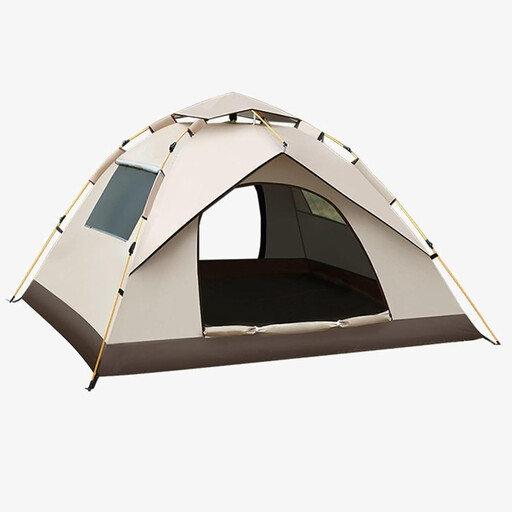
Why this product suits the profile: The pre-assembled pop-up tent appeals to users who need straightforward pitching and a relatively compact packed size.
The specifications list internal and external dimensions, packed size, two doors and two windows. This makes it easier to assess the space requirements before buying.
Two-layer construction, stated water column of 3,000 mm for the outer tent and a packed size of approximately 30 × 6.8 × 5.7 inches.
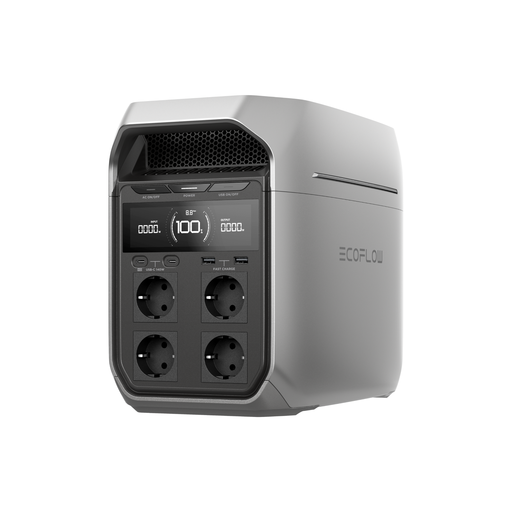
Why this product suits the profile: This power station is aimed at campers who need multiple connections, predictable charging times and documented battery capacity.
The product data distinguishes between 1,024 Wh capacity, 1,800 W output power and 3,600 W peak power. This makes it easier to check your own energy requirements.
11 connections, LiFePO4 battery, stated charging time of 56 minutes via AC and expandability up to 5 kWh.
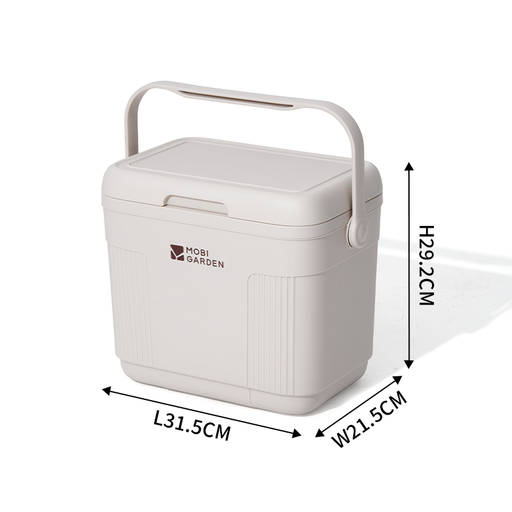
Why this product suits the profile: For picnics, fishing, camping and short trips, this compact cool box offers a manageable volume and an integrated carry handle.
The specifications explicitly state that the box does not actively cool. Cooling performance is therefore realistically linked to pre-chilling, ice and limited opening.
Food-grade PP plastic, PU insulation layer, 10-litre capacity and a stated cooling duration of 16–40 hours with an ice box.
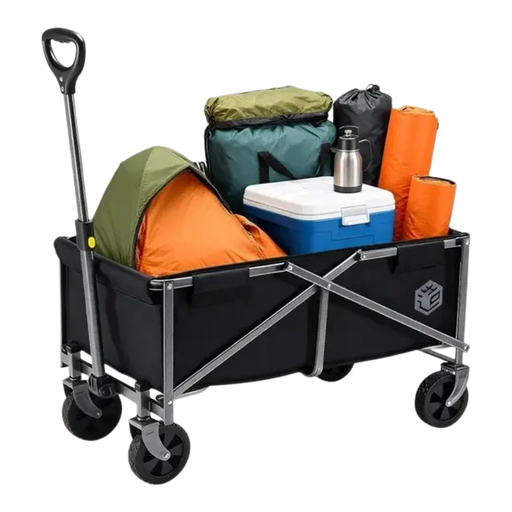
Why this product suits the profile: This folding trolley is designed for campsites, beach trips, shopping and transporting equipment over short distances.
The maximum load capacity of 100 kg is clearly stated. Buyers should still distribute the load evenly and secure the wheels while loading.
75-litre basket volume, folding construction, 360-degree swivel wheels and 600D Oxford fabric according to the product description.
For longer stays, a coordinated selection is worthwhile:
We have compiled a complete, regularly updated list of products that fully meet these strict selection criteria and the safety regulations in force in the EU.
For a simple weekend trip, a suitable camping tent, sleeping bag, camping pillow, seat, light source and weatherproof storage are usually enough. Depending on your destination, a cool box, camping table, power station and folding trolley can be added.
The lifespan depends on the material, load, weather conditions and care. Tents should be stored completely dry, cool boxes cleaned, and textile products should not be kept permanently damp or heavily compressed. For power stations, charge cycles, ambient temperature and proper storage are relevant.
The running costs depend on whether you charge via a mains socket, vehicle or solar panel. To estimate, first calculate the energy consumption of the connected devices in watts and the planned usage time. Then compare this value with the usable capacity in watt-hours. For damp environments and rain, the respective user manual is decisive.