
Lieferung heute & morgen

Qualitätsgarantie

Willkommens-Angebote freischalten: KOSTENLOSE Lieferung | Bis zu 80 % RABATT | Kostenlose 30-Tage-JoyPlus-Testphase
App herunterladen
Whether it’s a weekend trip, a festival, a hike, a fishing excursion or a family holiday, camping equipment needs to suit how you’ll transport it, where you’ll use it and the time of year you’re planning for. Many poor purchases happen not because of a lack of features, but because of unclear product specifications, the wrong size choice or materials that aren’t suitable for the intended use.
This buying guide shows you which details matter before you purchase a camping tent, sleeping bag, camping chair or folding transport trolley.
Terms like “waterproof” or “rainproof” aren’t enough on their own to make a buying decision. With tents, you should look at the hydrostatic head rating. This describes the pressure the fabric can withstand under laboratory conditions. A camping tent with PU2000 mm on the flysheet, for example, should be assessed differently from a model with PU4000 mm on the groundsheet.
Also important are:
The label “for 2 to 4 people” doesn’t automatically describe the comfort level. What really matters are the internal dimensions, the internal height, the number of entrances and the storage space for rucksacks. For two people on a hike, a compact trekking tent for 2 people can make sense. For families or longer stays, a larger camping tent with more sitting or moving space is more practical.
With a camping chair, it’s not just the material and colour that count. Check the static load capacity, the packed size, the footprint and the spare parts or care instructions. With a sleeping bag, the comfort range, filling material, zip and packed size are more important than a general label like “winter model”.
Similarly, a folding trolley shouldn’t be chosen based solely on its maximum load capacity. The wheels, width, folded size and how it performs on sand or uneven ground determine whether it’s actually usable in everyday situations.
When comparing tents, you should have at least the following details:
An automatic or hydraulic opening saves setup time, but doesn’t replace proper guying out. The VXOYO model, for example, is listed with two doors, two windows, a two-part construction and a packed size of approximately 30 × 6.8 × 5.7 inches. The product description also mentions a hydrostatic head rating of up to 3,000 mm for the outer fabric. These details should be compared with your actual space requirements and local weather conditions before buying.
A camping sleeping bag should be chosen based on the actual temperature range you’ll encounter. A rating of “comfort 8–14 °C” is not the same as being suitable for frost. For cold nights, you may also need an insulating sleeping mat or a camping mattress.
Look out for:
The Mobi Garden Winter Sleeping Bag is described with a comfort rating of 8–14 °C, a weight of approximately 1,800 g and a size of 190 × 84 cm. According to the product information, it is not intended for temperatures below zero or high-alpine winter camping. A winter sleeping bag must therefore always be chosen to match the specific weather forecast and your personal sensitivity to cold.
With a folding camping chair, a level, firm standing surface and the stated maximum static load capacity are crucial. A model with a 100 kg load capacity should not be confused with dynamic loading from jumping or leaning sideways.
For transport trolleys, you should also check:
On sand, gravel or damp ground, trolleys with small wheels can behave differently from models with wider wheels. The load capacity figures don’t replace the need for an even distribution of your luggage.
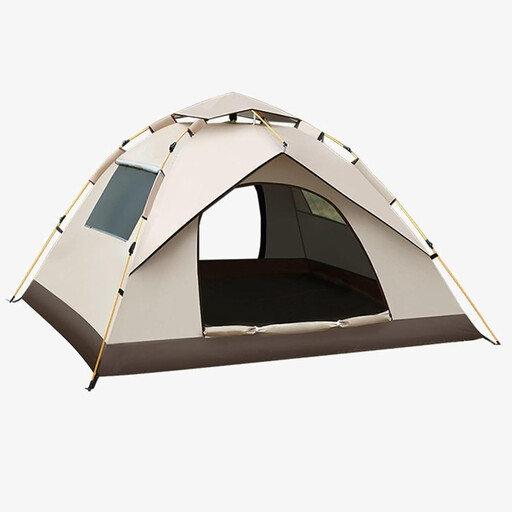
Why this product fits the profile: The pop-up tent is designed for quick setup and, according to the product details, offers space for two to three adults or up to four children.
The details on the flysheet, inner tent, doors, windows and packed size make it easier to compare with simple single-wall tents.
Automatic opening system, two doors, two windows and a two-part construction according to the product description.
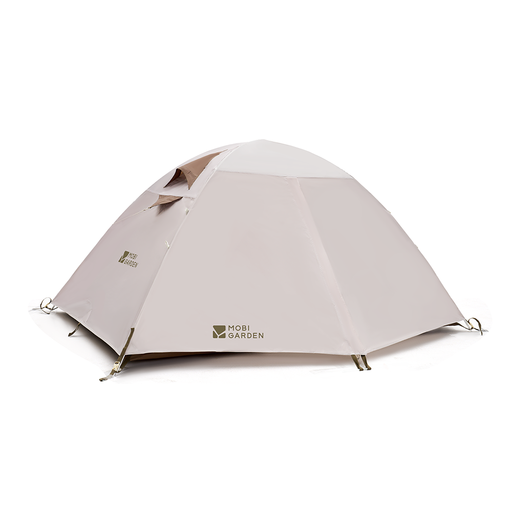
Why this product fits the profile: For hikers and backpackers, the weight of around 2.64 kg, the packed size of 41 × 16 × 16 cm and the two-person capacity are relevant comparison points.
The separate hydrostatic head ratings for the flysheet and groundsheet prevent “waterproof” from being assessed without technical context.
Aluminium poles, 68D polyester, PU2000 mm on the flysheet and PU4000 mm on the inner groundsheet according to the product data.
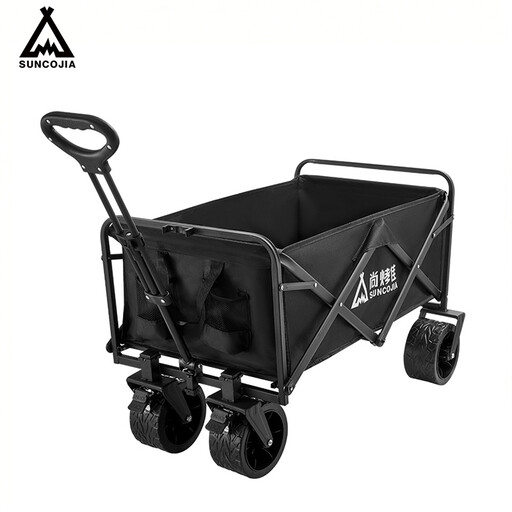
Why this product fits the profile: This trolley is aimed at users who want to transport camping gear, beach accessories, fishing equipment or shopping in larger quantities.
The stated load volume, maximum load capacity and the note about uneven surfaces make the usage limits clear.
Foldable design, 350 litre load volume, PVC wheels and a removable Oxford fabric container according to the product description.
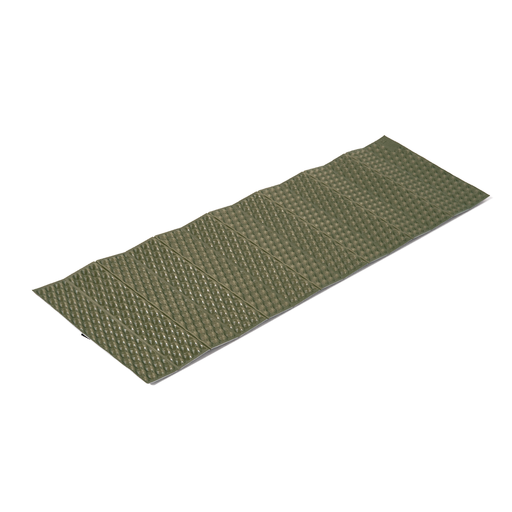
Why this product fits the profile: This foldable sleeping mat is suitable for camping, backpacking and picnics when a weight of around 750 g and a compact transport format are important.
The stated R-value of 2.6 allows for an objective assessment of insulation; for cold conditions, an additional inflatable mat is recommended according to the product information.
183 × 63 × 2.6 cm sleeping surface, XPE foam, foldable or rollable packed size and double-sided use.
We’ve put together a complete, regularly updated list of products that fully meet these strict selection criteria and the safety regulations in force in the EU.
The lifespan of outdoor accessories depends heavily on storage and cleaning. Tents, sleeping bags, camping chairs and mats should be completely dry before being stored away. Moisture can encourage mould, odours or material damage.
For a simple overnight stay, your basic kit should include at least a sleeping mat, sleeping bag, weather protection, a light source, drinking water and weather-appropriate clothing. Depending on the pitch, you may also need a cooking system, seating, a transport trolley and other outdoor accessories.
Even a tent that opens quickly should be set up on level ground, fully unfolded and secured with pegs and guy lines. Ventilation openings should not be blocked. Before taking it down, the material must be dry, or you should dry it at home afterwards.
It’s not possible to give a general lifespan. Wear and tear, UV radiation, moisture, transport and care all affect durability. Before each use, check seams, zips, poles, wheels and locking mechanisms for visible damage.