
Lieferung heute & morgen

Qualitätsgarantie

Willkommens-Angebote freischalten: KOSTENLOSE Lieferung | Bis zu 80 % RABATT | Kostenlose 30-Tage-JoyPlus-Testphase
App herunterladen
Camping equipment has to perform in real life, not just in product photos. On a road trip, you need a power supply that works with your vehicle; when hiking, a compact pack size is essential; and for family camping, a robust transport solution is key. However, if you focus only on large capacity claims or quick-set-up promises, you can easily end up with gear that doesn't suit your actual needs.
A large camping cool box or a spacious trolley sounds practical at first. But in the car, external dimensions, weight and storage space can be decisive. A model with 127 litres of volume needs considerably more room than a 75-litre transport solution. Before buying, you should measure your boot opening, seat spacing and available floor area.
A passive cool box stores temperature using ice or ice packs. It doesn't generate cold itself. An electric cool box for the car, on the other hand, works via a 12-volt connection, while a compressor cool box can, depending on the model, also be operated with 24 volts, mains power or a power station. These differences affect power consumption, temperature range and operating duration.
A camping tent with automatic or simple setup saves time. Nevertheless, you should consider the hydrostatic head, guying options, ventilation and materials. This is especially relevant for tall tents or larger family tents, where pegs and guy lines are important for stability. A short setup time alone says nothing about suitability in wind or changeable weather.
When it comes to camping accessories, three specifications should be considered separately:
For an outdoor storage bag, internal compartments and base material are also important. A bag with EVA padding can protect cookware from scratches; a waterproof PVC base reduces direct contact with damp ground.
A passive cool box requires ice packs or ice. The stated cooling time depends on the outside temperature, fill level, insulation and how often the lid is opened. With an electric cool box for the car, you should check whether a 12-volt DC connection is included and whether a mains adapter needs to be purchased separately.
Compressor cool boxes generally offer a wider temperature range. For the Foursun model, depending on the version, 35, 45 or 55 litres are available, along with a range of –20 °C to +20 °C. For longer trips, the power source, noise level and weight are also relevant.
The hydrostatic head is given in millimetres and describes the water pressure the material can withstand under laboratory conditions. It is not a sole indicator of weather resistance. Seams, floor, guying system and the condition of the coating also play a role.
A trekking tent should be as light and compact as possible. The Mobi Garden LUNTA 68D, according to product specifications, weighs approximately 2.64 kg, has a pack size of 41 × 16 × 16 cm and is designed for two people. For families or longer stays, a larger camping tent with more headroom may be more suitable.
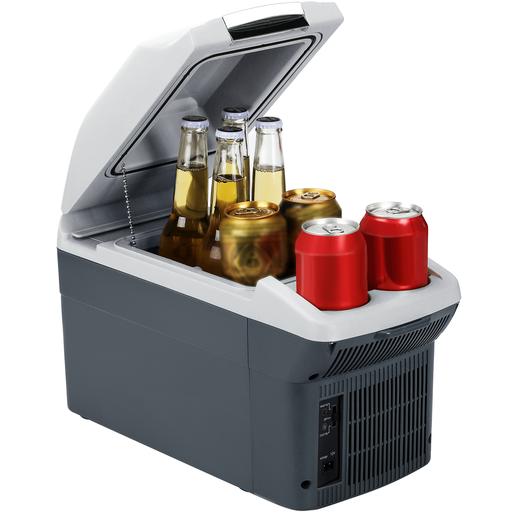
Why this product suits the profile: The 9-litre cool box is designed for drinks, snacks and lunchboxes in the car or on a picnic. The 12-volt connection works with many vehicles.
The capacity and vehicle format are clearly stated. In addition, the cooling and warming functions are mentioned, along with an optional 220–240 volt adapter.
12-volt operation, approximately 40 dB operating noise, two cup holders and an adjustable carrying strap.
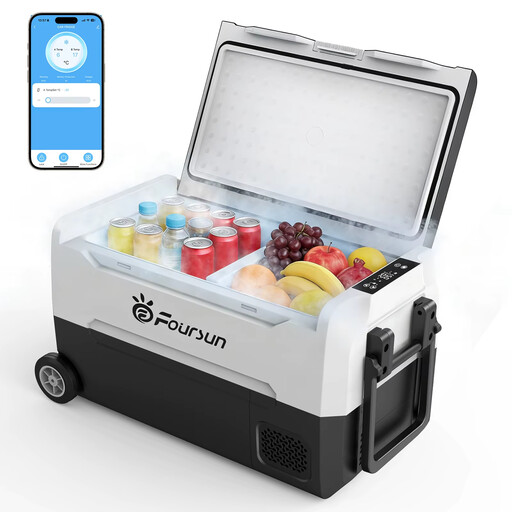
Why this product suits the profile: The compressor cool box is designed for longer journeys, campsites and trips with several people when a wider temperature range is needed.
The product data states the temperature range, capacity, weight and various power sources. This makes it easier to plan its use than with a purely marketing claim about cooling performance.
35-litre version, DC-12/24-volt and AC-100–240-volt compatibility, plus app control according to the product description.
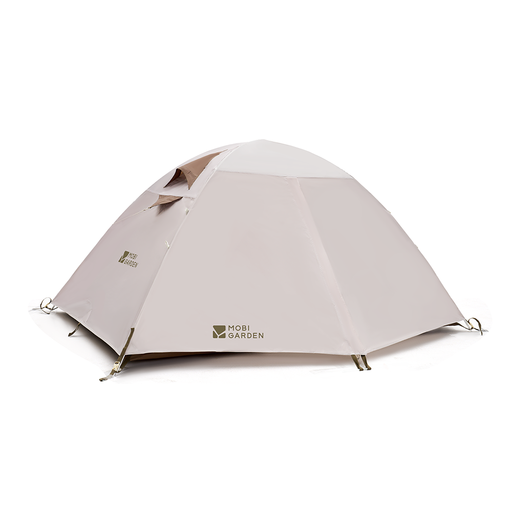
Why this product suits the profile: The two-person trekking tent is aimed at hikers and travellers who prioritise weight and pack size over additional interior space.
Pack size, weight, dimensions and hydrostatic head of the outer and inner fabric are stated. This makes it easier to weigh up mobility against protection.
Aluminium poles, 2.64 kg total weight and PU2000 mm outer material according to product specifications.

Why this product suits the profile: The foldable camping wagon helps transport tents, chairs, cool boxes and picnic equipment on campsites or during day trips.
Load capacity, capacity, folding time and brake equipment are specifically stated. Before use, the frame and locking mechanism must be fully opened and checked.
127 litres volume, stated load capacity of 200 kg and two front brakes with 360° swivel wheels.
We have put together a complete, regularly updated list of products that fully meet these strict selection criteria and the safety regulations in force in the EU.
The lifespan depends not only on the material but also on how you use it. Tents should be completely dry before being stored away. Sand and dirt should be removed from zips and wagon wheels. A camping roll bag should not be permanently filled beyond its maximum load.
For cool boxes, it is advisable to pre-cool food and open the lid as infrequently as possible. Electric models should only be operated from suitable power sources. With passive boxes, you should not assume that ice packs or ice are automatically included; check the contents before buying.
For two people, the basic equipment includes a suitable camping tent, sleeping system, lighting, cooking and picnic gear, water containers, and a cooling or storage solution. If you are travelling by car, a foldable camping wagon and an outdoor storage bag can make transport easier.
The running costs depend on the power consumption, operating time, outside temperature and power source. A 12-volt model is powered by the vehicle; for longer use, you should consider the capacity of your car battery or power station. Figures such as an ECO consumption value are manufacturer estimates and may vary depending on conditions.
It is not possible to give a general lifespan. The decisive factors are the material, how much it is used, weather conditions, cleaning and storage. If a tent is stored dry and away from strong UV exposure, the coatings and fabric will remain usable for longer. For wagons, bags and cool boxes, you should regularly check fastenings, wheels, cables and seals.