
Lieferung heute & morgen

Qualitätsgarantie

Willkommens-Angebote freischalten: KOSTENLOSE Lieferung | Bis zu 80 % RABATT | Kostenlose 30-Tage-JoyPlus-Testphase
App herunterladen
A camping folding chair should take up little space when you’re out and about, be quick to set up and still feel stable and secure. In practice, though, the differences often only become clear after several uses: a seat that’s too low makes it harder to get up, a heavy steel frame is a burden to carry, and unclear information about weight capacity can lead to the wrong purchase. So if you’re looking for a folding chair for camping, the beach, the garden or festivals, don’t focus only on colour and marketing claims.
A sturdy outdoor folding chair can weigh more than a model designed for trekking or short hikes. A camping chair weighing around 6.5 kg may be fine in the boot of your car, but impractical to carry over longer distances. For backpacking trips, weight and packed size are key. A lightweight folding chair weighing less than 1 kg may have a smaller seat and less padding, though.
A high static weight capacity doesn’t automatically mean a chair is comfortable, provides good back support or is resistant to tipping. It’s important to stick to the maximum static load stated by the manufacturer and fully unfold the chair. An adjustable camping chair with a footrest or reclining function also needs a firm, level surface, as the centre of gravity shifts when you lean back.
A camping chair with a cup holder and side pocket is handy for everyday use. But the frame, joints, feet, seat height and fabric tension matter most. A headrest is only useful if the backrest and seating position suit your needs. With a beach chair, also bear in mind that a low seat can make it harder to get up.
Steel frames are often sturdy and well suited to campsites, gardens and picnics where you’re staying in one place. However, they usually add weight. Aluminium frames can reduce the weight you need to carry, but still need sturdy joints and suitable feet.
Look for:
Fully open a fishing chair or picnic chair before each use. For models with several backrest positions, also check that the chair locks securely into the position you want.
A seat width of around 50 to 56 cm can give many adults enough room to move comfortably. However, how spacious it feels also depends on the armrests, padding and fabric tension. A seat height of around 40 cm makes for a very different chair from a low beach chair with a seat height of around 26 cm.
For longer periods of sitting, a sufficiently high backrest and a suitable headrest are important. A reclining chair with a headrest or reclining function also needs enough space in front and behind it. So check the chair’s dimensions when unfolded, not just the size of its carry bag.
The packed size determines whether a portable folding chair will fit in your car boot, bike trailer or rucksack. A chair with a packed length of 93 cm is suitable for car journeys, while a folded size of around 11 × 11 × 36 cm is much better suited to trekking and backpacking.
Also consider:
Remove sand and salt water after use. Make sure the fabric and metal parts are completely dry before putting the chair away.
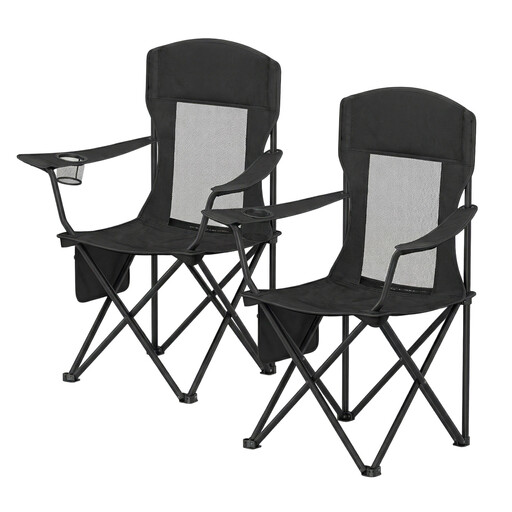
Why this product suits this profile: This set of two is designed for couples, families or picnics together, with each chair weighing around 2.5 kg.
The product details clearly state the chair’s own weight, maximum static load of 150 kg, included carry bags and materials used.
Two chairs, cup holders, organiser pockets and quick-drying mesh fabric.
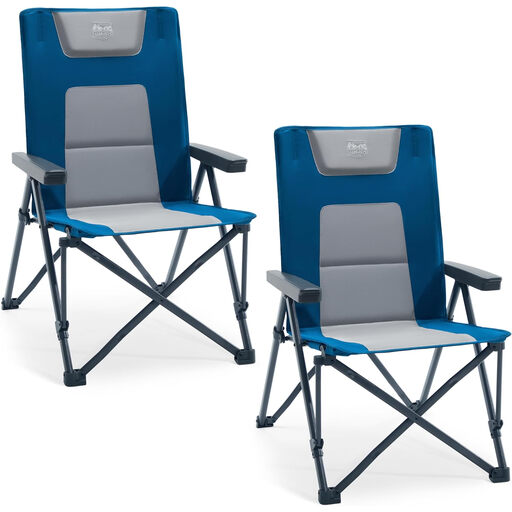
Why this product suits this profile: This model combines padded sections, four backrest positions and a stated weight capacity of 260 kg per chair.
The backrest, headrest and frame are described with specific measurements, material details and safety advice.
Steel frame, X-shaped bracing, padded armrests and two carry bags.
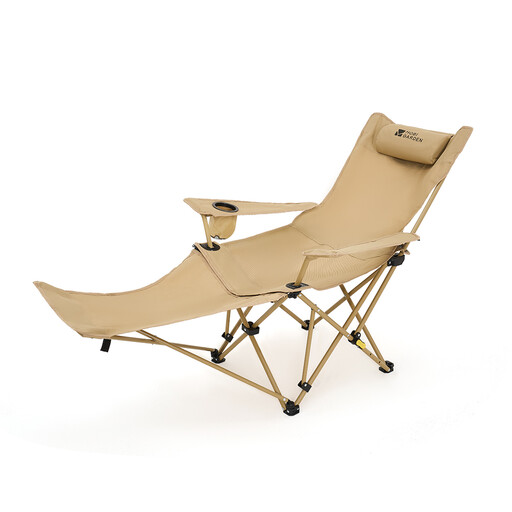
Why this product suits this profile: For camping, fishing, the balcony and longer breaks, this chair offers three positions, a wide 56 cm seat and a removable headrest.
The unfolded dimensions of 81 × 153 × 78 cm, packed size of around 24 × 23 × 93 cm and static weight capacity of around 110 kg are all stated.
Oxford fabric, carbon steel frame, cup holder and side pocket for personal items.
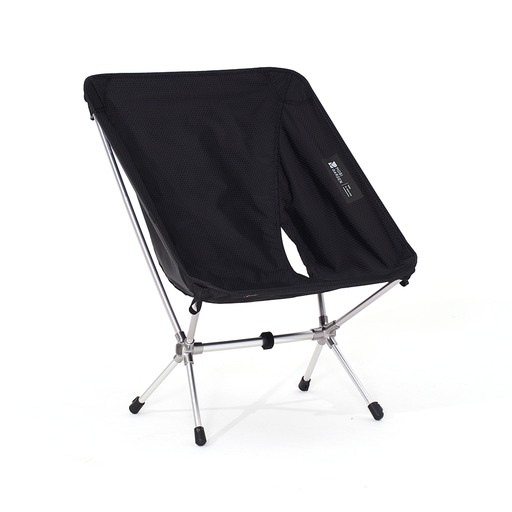
Why this product suits this profile: Weighing around 765 g and with a packed size of 11 × 11 × 36 cm, this portable folding chair is designed for short carries and trekking.
Its low weight is paired with an aluminium frame and triangular frame structure; it’s designed for use on firm, level ground.
Aluminium tubes, non-slip rubber feet, Oxford fabric and a stated static weight capacity of around 140 kg.
We’ve put together a complete, regularly updated list of products that meet these strict selection criteria and the safety regulations in force in the EU.
Before each use, fully open the camping folding chair and check it on stable ground. Also remember to:
Fully open the chair until all the legs touch the ground at the same time and the joints or backrest are securely locked in place. Only use it on a firm, level surface. If you have an adjustable camping chair, check that it’s in the position you want before sitting down.
How long it lasts depends on the load it carries, how often it’s folded, how well it’s cared for and how it’s stored. Keeping it somewhere dry, staying within the weight limit and removing sand or dirt can help reduce wear. Check any visibly damaged joints, tears in the fabric or bent parts of the frame before using the chair again.
There are usually no regular running costs beyond the purchase price. Transport, cleaning and any replacement parts are the main things to consider. With a set of two, the price per chair may be lower; with an especially lightweight model, you may have to compromise on seat size or padding. So choose a chair with a weight, packed size and features that suit the way you’ll actually use it.