
Lieferung heute & morgen

Qualitätsgarantie

Willkommens-Angebote freischalten: KOSTENLOSE Lieferung | Bis zu 80 % RABATT | Kostenlose 30-Tage-JoyPlus-Testphase
App herunterladen
The right camping gear is the foundation of any successful outdoor adventure. But the market is flooded with products making lofty promises that often don't hold up in practice. An ill-considered purchasing decision can not only strain your budget but also compromise the trip itself. So, before you buy a new tent or invest in a trekking backpack, it's wise to know the most common pitfalls.
Many buyers rely on marketing terms that obscure more than they clarify. Two of the most common problems are:
To ensure your camping accessories serve their purpose, you should focus on verifiable technical specifications rather than marketing slogans. Three factors are particularly crucial.
A tent is your shelter in the great outdoors. Its reliability depends heavily on the material and its waterproof rating.
A trekking backpack must do more than just provide storage space. A poor fit can quickly make a tour uncomfortable.
A camping sleeping bag is meant to provide a restful night's sleep. The crucial specification here is the comfort rating.
Based on these objective criteria, we have identified some products that represent a suitable solution for specific user profiles.
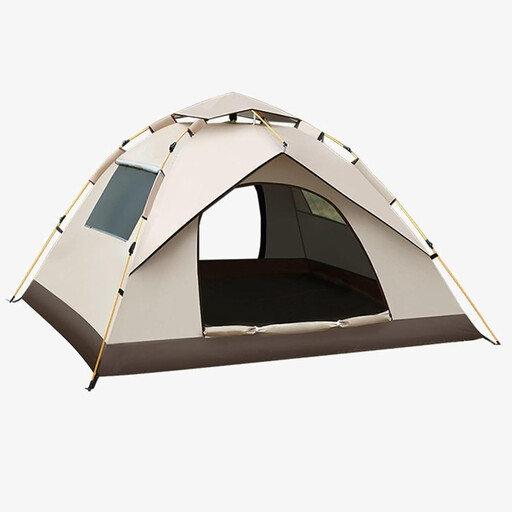
Why this product is a good fit: Ideal for users who value a quick and effortless setup. The automatic hydraulic system allows it to be pitched in minutes, which is a major advantage at festivals or on short trips.
Instead of a vague "waterproof" promise, the manufacturer specifies a water resistance index of up to 3,000 mm for the 210T polyester outer tent. This provides a reliable specification for rain protection.
Setup is handled by an automatic system. The two-layer design with a detachable outer tent allows for flexible use, for example, as a standalone sunshade.
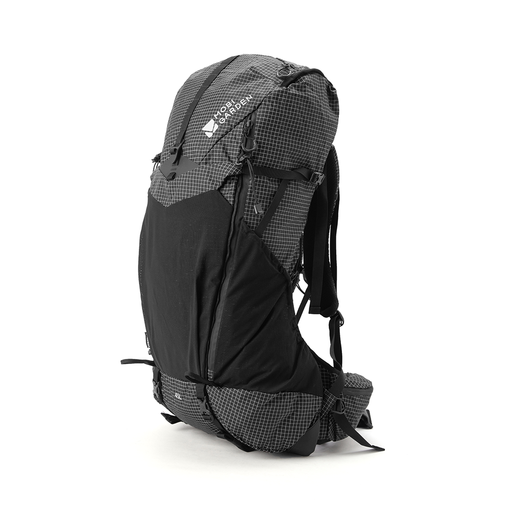
Why this product is a good fit: Designed for multi-day tours where low weight and high durability are crucial. The 45-litre volume is designed for 2-3 days of trekking.
This backpack bypasses the "ultralight" myth by combining a low weight (approx. 1.35 kg) with an extremely robust Dyneema composite fabric. It sacrifices neither stability nor carrying comfort, thanks to a 3D ventilated harness system.
The Dyneema fabric offers high tear and abrasion resistance. The harness system ensures good air circulation on the back, reducing sweat build-up.
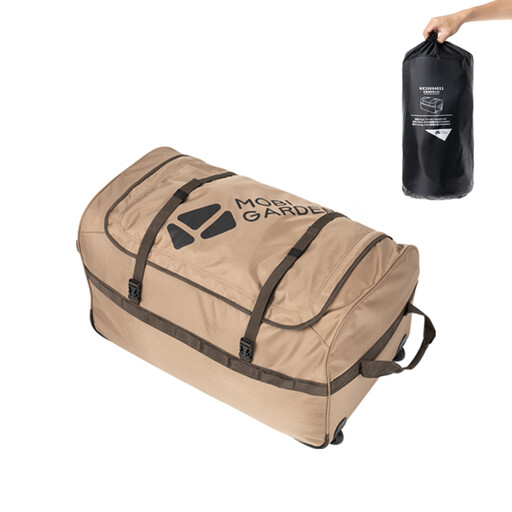
Why this product is a good fit: Perfect for campers who need to transport a lot of gear. The bag makes it much easier to move equipment from the car to the campsite and has room for an entire family's gear.
This product deliberately ignores the "ultralight" trend, focusing instead on maximum practicality. With 110 litres of volume and integrated wheels, it solves the real-world problem of transporting heavy and bulky equipment.
The enormous capacity allows you to consolidate all your gear into a single bag. The wheels reduce the physical effort required for transport.
A good camping bag is essential for transporting and organising your gear. We've put together a selection of products designed for durability and functionality.
For a 3-day trip, a backpack with a volume between 40 and 50 litres is usually a good choice. This provides enough space for clothing, a sleeping bag, a sleeping pad, and food without being overly bulky. Models like the PELLIOT 40L Trekking Backpack or the Mobi Garden Phantom Pro 45L are well-sized for such tours.
The water column rating is a unit of measurement for the waterproofness of technical fabrics. It indicates how high a column of water (in millimetres) can be placed on the fabric before water penetrates. A value of 1,500 mm is considered waterproof according to the DIN standard. However, for reliable protection against rain, ratings from 2,000 mm for the outer tent and 3,000 mm for the groundsheet are recommended.
Whether a sleeping bag is machine-washable depends on the fill material and the manufacturer's instructions. Many sleeping bags with synthetic fill, like the Mobi Garden Winter Sleeping Bag, can be washed on a gentle cycle. However, always read the care label carefully. Use a mild detergent and avoid high heat when drying. Air-drying completely is crucial to prevent mould growth.