
Lieferung heute & morgen

Qualitätsgarantie

Willkommens-Angebote freischalten: KOSTENLOSE Lieferung | Bis zu 80 % RABATT | Kostenlose 30-Tage-JoyPlus-Testphase
App herunterladen
Choosing the right camping gear can make or break an outdoor adventure. But the market is flooded with tempting offers whose advertised features often fail to live up to their promises in practice. Many buyers invest in products that prove to be impractical or unreliable after just a short time. This guide will help you identify the crucial features and avoid common pitfalls.
Before you make a purchase, you should familiarise yourself with the most common problems that often only become apparent during use.
To avoid these problems, you should focus on a few, but critical, technical features. These form the basis for functional and durable equipment.
Camping Tents: Material and Workmanship Don't just look at the water column rating (for 3-season camping in regions like Central Europe, values from 2000 mm for the flysheet and 3000 mm for the floor are a solid baseline), but pay special attention to taped or sealed seams. The poles should be made of aluminium or robust fibreglass to ensure stability even in windy conditions. Good ventilation through mesh panels reduces condensation inside the tent.
Sleep System: Insulation and Comfort A warm sleeping bag is defined by its temperature ratings: comfort, limit, and extreme. You should focus on the comfort rating, as this indicates the temperature at which an average person can sleep comfortably. For a camping sleeping pad, the R-value is the key metric for thermal insulation. A higher R-value (e.g., R-value > 2.5) provides better insulation against cold from the ground.
Outdoor Furniture and Accessories: Stability and Pack Size For a folding camping chair or table, the maximum load capacity and the stability of the frame (e.g., X-shaped frames) are crucial. Compare the net weight and the pack size (dimensions when packed). A good product combines a sturdy construction with a compact and portable design.
Based on these objective criteria, we have identified some products that are well-suited for specific use scenarios.
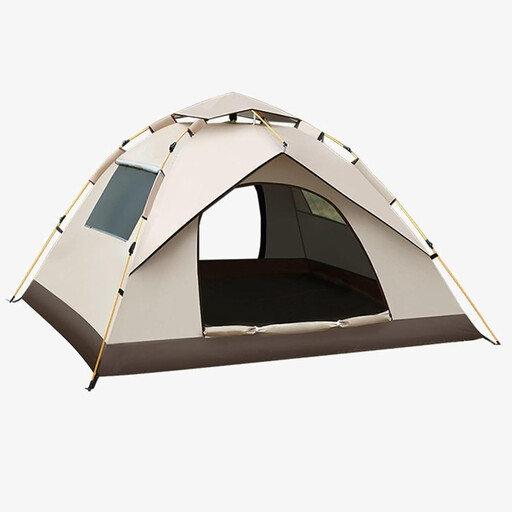
Why this product is a great fit: Ideal for users who prioritise a quick and straightforward setup. Perfect for weekend trips or festivals where you want to minimise setup time.
The hydraulic automatic system solves the problem of a complicated setup. Instead of fiddling with poles and instructions, the tent is ready in moments, thus avoiding the "impractical handling" pitfall.
The main advantage is its setup in seconds. The 210T polyester flysheet, with water resistance up to 3,000 mm, also offers sufficient protection for typical temperate weather conditions.
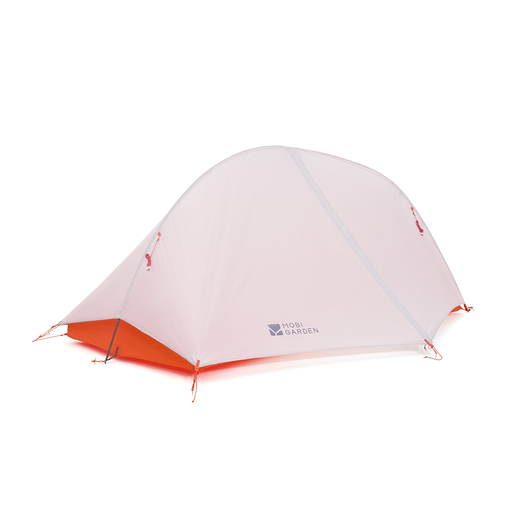
Why this product is a great fit: Designed for long-distance hiking and trekking tours where every gram counts. It offers a well-thought-out balance of weight, stability, and weather protection for two people.
This tent solves the "ultralight" dilemma by using robust materials despite its low weight of approx. 1.18 kg. The 20D ripstop nylon and aluminium poles provide the necessary durability that many other ultralight models lack.
The extremely low weight and small pack size (48 × 11 × 11 cm) are the main advantages. The PU2000mm water column and the large mesh inner tent ensure weather protection and good ventilation.
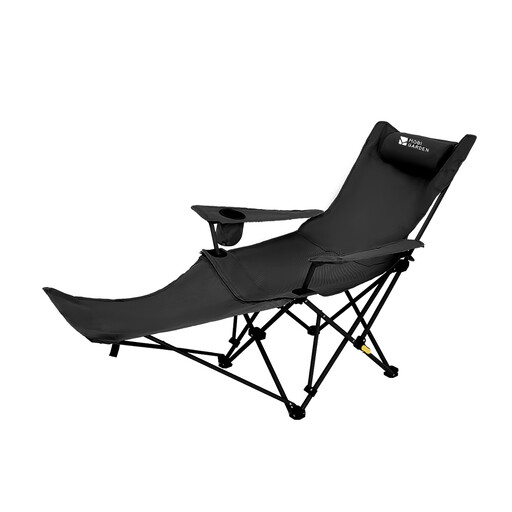
Why this product is a great fit: For anyone who doesn't want to sacrifice comfort when camping, fishing, or relaxing in their own garden. Weight is a secondary concern, as it will be transported by car.
This model directly addresses the issue of neglected comfort. Instead of a minimalist, uncomfortable stool, it offers an adjustable reclining position, a headrest, and a wide seat. It prioritises ergonomics over minimal weight.
The three-level adjustable reclining function and the sturdy steel tube frame with a load capacity of approx. 110 kg are its key advantages. A cup holder and a side pocket add to its practical utility.
We have compiled a complete, up-to-date list of products that fully meet these strict selection criteria and relevant safety standards.
1. What does the "water column" rating on tents mean? The water column is a unit of measurement for the waterproofness of technical fabrics like tent flysheets. The value, e.g., 2000 mm, indicates how high a column of water could be placed on the material before the first drop penetrates. According to the European standard, a fabric is considered waterproof from 1500 mm. A higher value (e.g., 3000 mm or more) is recommended for the tent floor, as body weight creates additional pressure. However, the quality of the seam sealing is more important than an extremely high rating.
2. How do I find the right sleeping bag for my needs? Use the manufacturer's comfort temperature rating as your guide. This should match the expected night-time temperatures at your destination. For summer camping in temperate climates, a model with a comfort rating around +10°C is often sufficient. For spring or autumn, a sleeping bag with a comfort rating around 0°C to +5°C is a safer choice. Also consider the material (down is lighter and more compressible; synthetic fibre is more resistant to moisture) and the shape (mummy bags are warmer; rectangular bags offer more freedom of movement).
3. What should I look for in folding outdoor furniture? For folding furniture like chairs and tables, three factors are crucial: stability, pack size, and weight. Check the specified maximum static load capacity and look for a robust frame construction, ideally made of steel or aluminium. Compare the pack size with the available storage space in your vehicle. The weight is particularly relevant if you need to carry the furniture over a longer distance, for example, from the car park to the beach or a fishing spot.