
Lieferung heute & morgen

Qualitätsgarantie

Willkommens-Angebote freischalten: KOSTENLOSE Lieferung | Bis zu 80 % RABATT | Kostenlose 30-Tage-JoyPlus-Testphase
App herunterladen
The right camping gear is the foundation of a successful outdoor experience. However, the market is flooded with products whose marketing promises often don't hold up in practice. Inaccurate material specifications or impractical designs can quickly lead to frustration and unnecessary expenses. As your Joybuy Product Recommendation Officer, I'll help you identify the crucial features and avoid common purchasing traps, ensuring your next trip is a success.
Before we delve into the important parameters, let's look at three typical problems that frequently arise when purchasing camping equipment.
To avoid these pitfalls, you should check three core aspects of your future outdoor gear before making a purchase.
The durability of your equipment depends directly on the material. For a camping bag, pay attention not only to the main fabric, such as polyester, but also to reinforcements at critical points. A base made of waterproof PVC protects the contents from ground moisture and dew. Likewise, double-stitched carrying handles and robust zips are indicators of meticulous craftsmanship. These details determine whether a product lasts for just one season or for many years.
The volume, often specified in litres, is an important but not the only factor. A rolling duffel bag with a 110-litre capacity is ideal for families who need to transport a complete set of equipment. However, it is oversized for a solo weekend trip. A good camping organiser should offer a structured shape for easy packing but also fold down compactly when not in use. Always check the dimensions when packed to ensure the gear fits into your vehicle and storage space.
Modern camping accessories are distinguished by thoughtful features. These include removable dividers in organiser bags, allowing you to flexibly adapt the interior space. Another example is sleeping bags that can be zipped together to form a large blanket for two people. Such modular features increase the utility of the equipment and allow it to be adapted to different situations without needing to purchase additional products.
Based on these criteria, we have identified some products that represent a suitable solution for specific user groups.
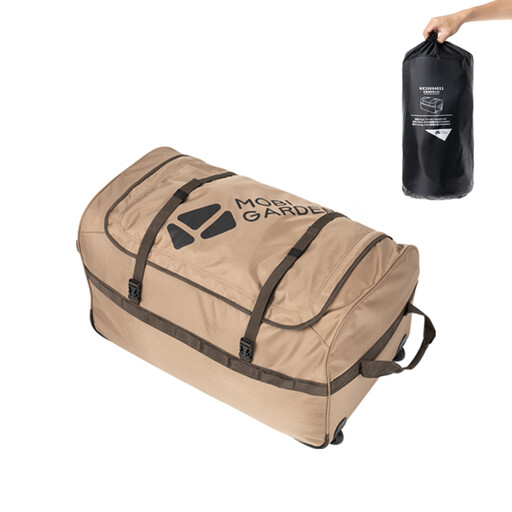
Why It's a Good Fit: Ideal for families who need to transport a lot of gear. The wheels make it much easier to move from the car to the campsite, and the large 110-litre volume provides space for a tent, chairs, and cooking equipment.
Bypasses the trap of cumbersome transport. Despite its high capacity, the bag is easy to move thanks to its wheels and folds down compactly for storage when not in use.
A combination of 110 L capacity and integrated wheels for transporting heavy loads. Foldable design for space-saving storage.
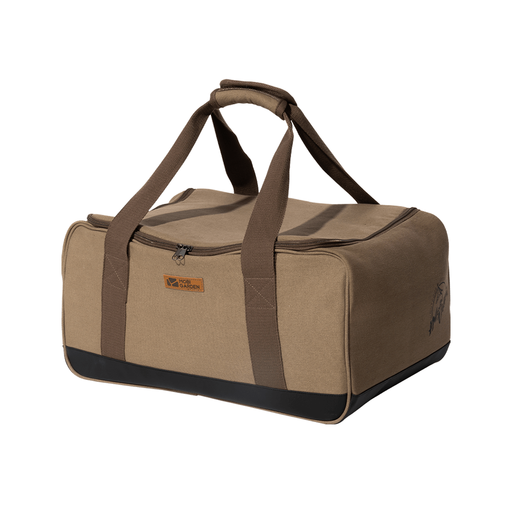
Why It's a Good Fit: Perfect for organising cookware, tools, and smaller accessories. Its structured shape makes it easy to pack in a car, and the padding protects delicate items.
Prevents the trap of unsuitable materials. The EVA padding and waterproof PVC base protect the contents from impacts and moisture from the ground.
Removable dividers for flexible interior organisation and all-around padding to protect metal cookware.
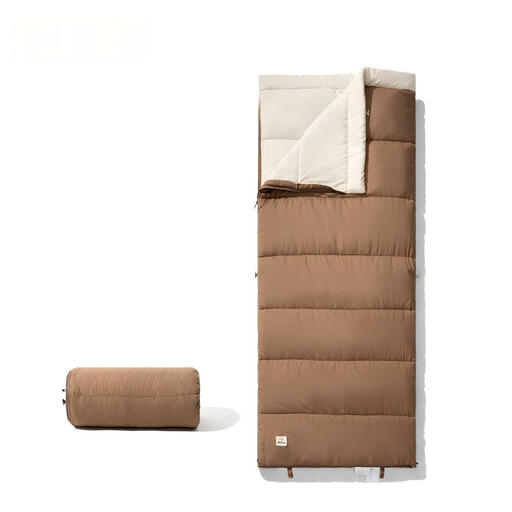
Why It's a Good Fit: A great choice for spring or autumn camping in regions like the UK, when nights can get chilly. The ability to connect two sleeping bags is ideal for couples.
Avoids the mistake of choosing an unsuitable sleeping bag by clearly stating the comfort temperature (8–14°C), which sets a realistic expectation of its thermal performance.
Modular design that allows it to be converted into a double sleeping bag. The extended blanket-style construction offers more freedom of movement.
We have compiled a comprehensive, up-to-date list of products that fully meet these strict selection criteria and relevant safety standards.
Proper storage is crucial. A camping sleeping bag should always be fully dried and stored loosely in a large storage sack, not in its compressed stuff sack. Camping bags should be cleaned of dirt before storage and also kept in a dry, cool place. Avoid permanently storing heavy items on top of your gear to prevent material fatigue and deformation.
The comfort temperature indicates the temperature range in which an average person, lying in a relaxed position on their back, can sleep comfortably without feeling cold. This value is a practical indicator of insulation performance and helps you choose the right sleeping bag for the expected night-time temperatures.
A rolling duffel bag is particularly useful when you need to transport heavy and bulky equipment over relatively flat surfaces, such as from the car park to your pitch on a campsite. The weight is transferred to the wheels, which saves your back. However, they are less suitable for rough terrain or backpacking trips. For families or campers with extensive equipment, it represents a significant convenience.