
Lieferung heute & morgen

Qualitätsgarantie

Willkommens-Angebote freischalten: KOSTENLOSE Lieferung | Bis zu 80 % RABATT | Kostenlose 30-Tage-JoyPlus-Testphase
App herunterladen
The excitement for a trip into nature, a festival weekend, or a garden party can quickly fade when newly purchased camping gear fails in the field. The market is saturated with products whose marketing promises often don't align with reality. To help you make informed decisions, we'll highlight the most common pitfalls and show you which features truly matter.
Many buyers invest in equipment that shows defects after only a short period of use. Three problems are particularly common:
To avoid these problems, you should base your purchasing decision on objective criteria. Focus on the following three aspects to find the right outdoor gear for your needs.
The longevity of camping furniture depends directly on its material and construction. A folding camping table should not only be lightweight but, above all, stable.
Hygiene and practicality are paramount when it comes to camp cookware. The material is the deciding factor here.
The specifications for pack size and weight should always be evaluated in the context of your planned activity. For a family holiday by car, a few extra kilograms are not a problem, but for a backpacking trip or a festival visit, every gram counts. Compare the folded dimensions of the product with the available storage space in your car or backpack. An included carrying bag makes transport easier and protects the gear.
To put theory into practice, we have selected products that meet specific requirements and avoid the pitfalls mentioned.
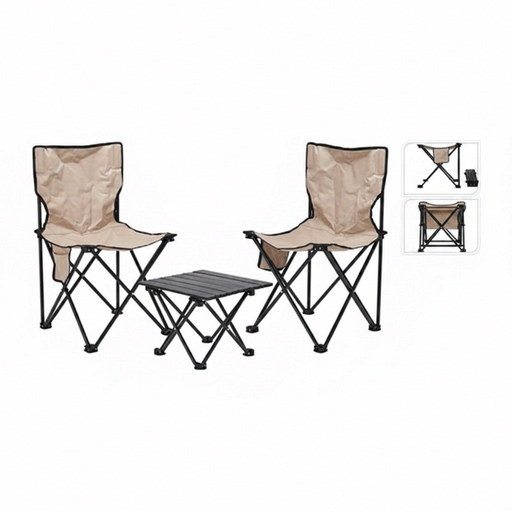
Why This Fits Their Persona: This set is a hassle-free, all-in-one solution for a first camping trip or the next festival. It provides a basic setup of camping furniture in an extremely lightweight and compact package.
It addresses the problem of unstable construction with a metal frame and a clearly defined maximum load capacity of 110 kg per chair. The low total weight of 2 kg is a realistic specification for easy transport.
With a total weight of just 2 kg, the set is extremely light and folds down to a very space-saving size. It offers a ready-to-use solution for two people.

Why This Fits Their Persona: Ideal for families or groups who need a large, stable table for shared meals or game nights while camping, barbecuing, or in the garden.
This table avoids the pitfall of unstable furniture with a robust iron tube frame featuring a triangular structure and a high load capacity of 80 kg. The aluminium tabletop is rustproof and waterproof, preventing material fatigue.
It offers a generous 116 x 70 cm tabletop for 4-6 people, yet folds down to a compact size. The included carrying bag simplifies transport.
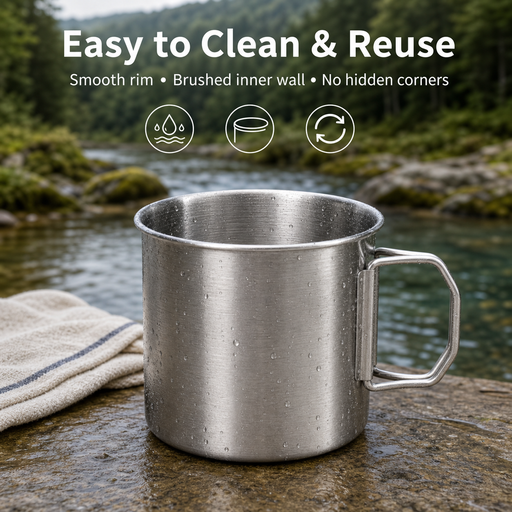
Why This Fits Their Persona: For campers who value durability, hygiene, and functionality. This cup is a one-time purchase that will endure countless trips while remaining reliable and safe.
It solves the problem of unsuitable materials in camp cookware by using food-grade 304 stainless steel. This material is impact-resistant, corrosion-proof, and taste-neutral—a significant upgrade over glass, ceramic, or plastic.
The foldable handle allows for a very compact pack size. The mirror-polished interior resists stains and is effortlessly easy to clean, ensuring hygiene on the go.
In addition to this basic equipment, there are specialised camping gadgets that can enhance comfort. One example is a portable projector like the TOPTRO X7, which is suitable for movie nights under the stars thanks to its dust-proof housing and integrated apps.
We have compiled a complete, up-to-date list of products that fully meet these strict selection criteria.
1. What is the essential gear I need as a camping beginner? To start, a few well-chosen items are often enough. A basic setup typically includes a tent, a sleeping bag, a sleeping pad, a light source (headlamp or camping lantern), a small camping table with chairs, and basic camp cookware and utensils.
2. How do I properly store camping gear to extend its lifespan? Always store your gear completely dry, clean, and in a dark, cool place. Residual moisture can lead to mould and mildew, especially on tents and sleeping bags. Metal parts should be wiped dry to prevent rust.
3. What is the difference between "waterproof" and "water-resistant"? Water-resistant materials initially cause water to bead up and roll off, but they can let moisture through during prolonged or heavy rain. Waterproof materials provide a complete barrier against water, thanks to a membrane or coating. For tents and rain jackets, a high waterproof rating (measured in mm) is an indicator of true waterproofness.