
Lieferung heute & morgen

Qualitätsgarantie

Willkommens-Angebote freischalten: KOSTENLOSE Lieferung | Bis zu 80 % RABATT | Kostenlose 30-Tage-JoyPlus-Testphase
App herunterladen
The right camping gear is the foundation of any successful outdoor adventure. However, the market is flooded with products whose marketing promises often fail to deliver in practice. Many buyers invest in equipment that shows defects after only a short time or is unsuitable for its intended purpose. This guide will help you identify common pitfalls and make an informed decision.
As a Joybuy Product Recommendation Officer, I analyse product information and filter out the key features to help you find gear that truly meets your needs.
Before you invest, you should be aware of three common issues that often lead to disappointment:
To avoid these problems, you should pay attention to a few core technical specifications. These objective criteria are more important than any marketing message.
The water column rating (or hydrostatic head) indicates how much water pressure a material can withstand before moisture penetrates. For unpredictable weather, a water column rating of at least 2000 mm is recommended for the outer tent. For regions with more frequent or heavier rainfall, a rating of 3000 mm offers reliable protection. When buying a tent, ensure that the groundsheet also has a high waterproof rating and that the seams are sealed. A good family tent should meet these standards to prevent your holiday from being a washout.
The choice of material affects durability, weight, and weather protection. PU-coated polyester is a common standard for tents as it is lightweight and water-repellent. Oxford fabric, often used for a foldable wagon, is particularly robust and abrasion-resistant.
Always compare the pack size and weight with your transport capabilities. A pop-up tent offers an extremely fast setup and is often lightweight, while larger tunnel tents provide more comfort but also mean more weight. For backpackers or travellers who are conscious of every gram, lightweight materials and a compact pack size are crucial. This also applies to accessories like a travel mosquito net.
Good outdoor equipment is distinguished by its practical details. These include:
bike storage shed can protect bicycles or garden tools from the elements.Here are some product recommendations tailored to specific user profiles that meet the criteria mentioned above.
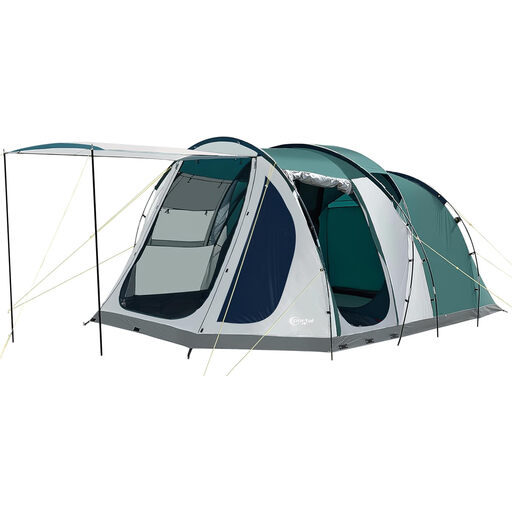
Why This Fits Their Persona: Ideal for families travelling by car who value separate living and sleeping areas. Offers ample space for up to five people and their luggage.
With a 3000 mm water column rating and a fully sewn-in groundsheet, it tackles the problem of poor weather resistance. The ventilation system with multiple vents reduces condensation.
Spacious, separate living (5.8 m?) and sleeping (7.05 m?) areas. Two entrances and an extendable canopy create additional sheltered space.

Why This Fits Their Persona: Perfect for those who don't want to sacrifice comfort and style while camping. The impressive standing height and generous space make it the ideal `glamping accessory`.
The 3-metre standing height solves the problem of cramped conditions. A 3000 mm water column rating, sealed seams, and a UV30 treatment on the fabric demonstrate its solid construction.
Enormous sense of space thanks to its height. The breathable inner tent with mosquito nets and vents ensures a pleasant internal climate.
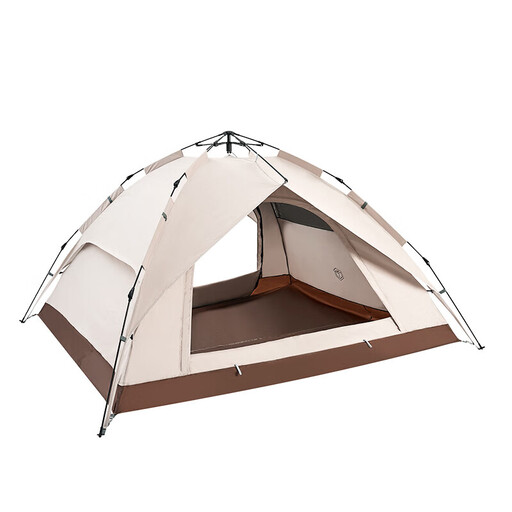
Why This Fits Their Persona: Ideal for short trips and as `festival gear`, where quick and easy setup is a priority. Offers space for 3-4 people.
The automatic pop-up mechanism eliminates complicated assembly. The double-layer construction counteracts condensation, and the 3000 mm water column rating provides weather protection.
Sets up and packs down in seconds. The double-wall structure offers better insulation and ventilation than single-layer pop-up tents.
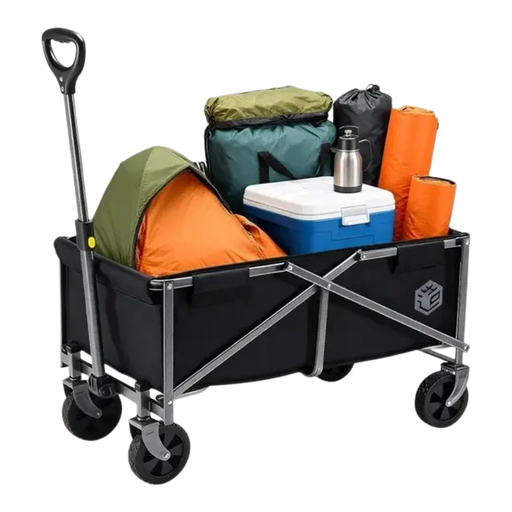
Why This Fits Their Persona: Solves the transport problem for heavy or bulky gear—from the campsite to the weekly grocery run. A practical helper for anyone who needs to move a lot of luggage.
Directly addresses the pitfall of impractical transport. Instead of relying on vague claims, it offers a clear 100 kg load capacity and robust 600D Oxford fabric, underscoring its durability.
Folds in one second and requires no assembly. The 360° swivel wheels ensure high mobility, even on uneven ground.
We have compiled a complete, up-to-date list of products that meet these strict selection criteria and current standards.
1. How important is the water column rating on a tent? The water column rating is a crucial quality indicator. A rating below 1500 mm is barely sufficient for typical European weather. From 2000 mm, a tent offers solid basic protection, while 3000 mm or more ensures you stay dry even during persistent rain and wind. It's always better to invest in a higher water column rating to avoid unpleasant surprises.
2. What is the difference between a single-wall and a double-wall tent? Single-wall tents, often simple pop-up models, are lightweight and quick to set up. However, they are highly prone to condensation forming on the inside. Double-wall tents consist of a breathable inner tent and a waterproof outer flysheet. The gap between them allows for air circulation, which effectively reduces condensation and significantly improves the internal climate. For multi-day trips, a double-wall tent is usually the more comfortable choice.
3. Do I need special equipment for a festival? For festivals, quick and easy setup is often the top priority. A pop-up tent or a tent with an automatic setup mechanism is ideal. Since space is often limited, a compact size is advantageous. A foldable wagon can make transporting your tent, drinks, and supplies from the car park to the campsite much easier. Also, consider a travel mosquito net to protect yourself from insects at night.