
Lieferung heute & morgen

Qualitätsgarantie

Willkommens-Angebote freischalten: KOSTENLOSE Lieferung | Bis zu 80 % RABATT | Kostenlose 30-Tage-JoyPlus-Testphase
App herunterladen
The right camping gear is the foundation of any successful outdoor adventure. However, the market is flooded with products that make bold claims but often fail to deliver in practice. Misleading material specifications or impractical designs can quickly lead to frustration. This guide will help you identify the crucial features and assemble a functional setup tailored to your needs.
Before you invest, it's important to recognise common marketing traps that often lead to poor purchasing decisions.
To avoid these pitfalls, you should focus on a few core technical features. These objective criteria will help you evaluate the quality and functionality of outdoor equipment.
When you buy a tent, the waterproof rating (measured in mm) is a key indicator of its water resistance. It specifies how much water pressure the material can withstand before water penetrates.
The functionality of your gear depends heavily on how easy it is to transport.
A sleeping bag for camping should be matched to the expected temperatures.
Here are some product recommendations tailored to specific use cases and needs.
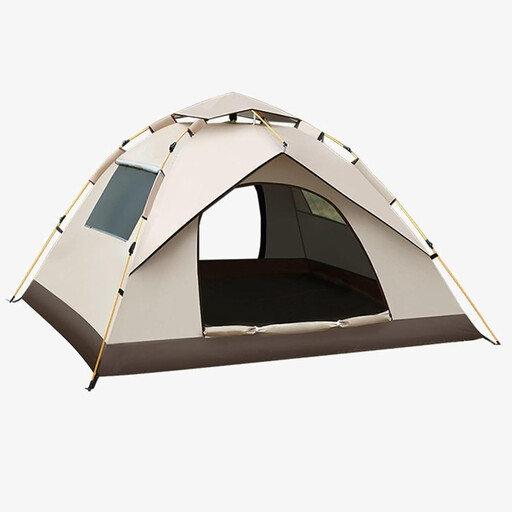
Why it's a great fit: Ideal for camping novices or festival-goers looking for a hassle-free, quick solution. According to the manufacturer, setup takes just a few seconds, which eases the entry into camping and avoids frustration.
The automatic hydraulic system solves the problem of a complicated setup. The flysheet's 3,000 mm waterproof rating (according to the manufacturer) offers solid protection that exceeds the minimum standard.
Sets up in seconds thanks to its pop-up mechanism. The double-wall construction with two doors and windows ensures good ventilation and flexibility.
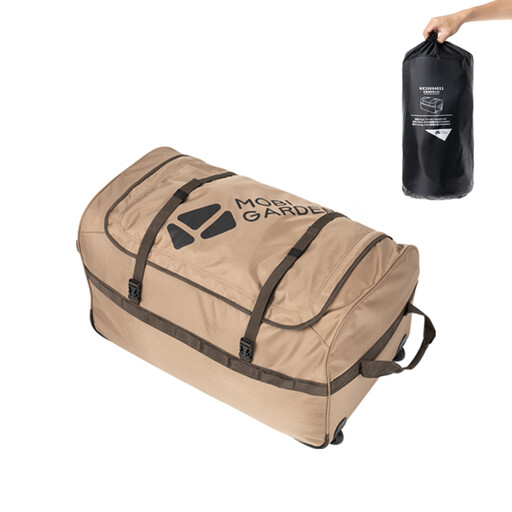
Why it's a great fit: Perfect for families or groups who need to transport a lot of gear. The bag significantly simplifies the logistics of car camping, as everything from the tent and chairs to cooking utensils can be stored in one place.
This bag solves the problem of transporting bulky camping accessories. Instead of many small, unwieldy bags, all the gear is consolidated into a single, rollable unit. The foldable design also ensures space-saving storage.
110-litre capacity for a complete set of camping equipment. The integrated wheels make transporting heavy loads from the car park to the campsite significantly easier.
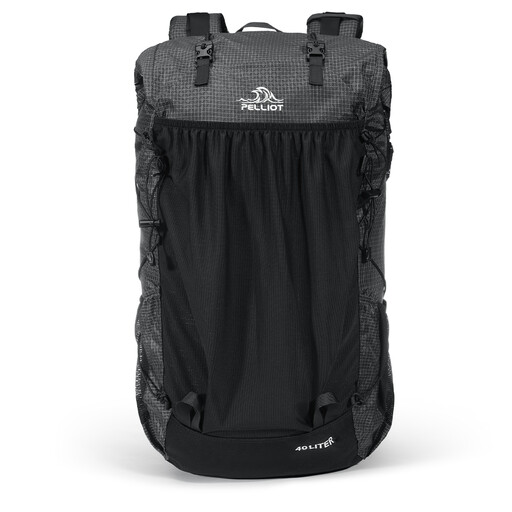
Why it's a great fit: Designed for multi-day hikes where ergonomics and load distribution are critical. At 40 litres, it offers enough space for 2-3 days of gear without being excessively large.
This backpack directly addresses the problem of poor carrying comfort. Instead of a simple design, it features an aluminium support frame and a dynamic suspension system that transfers the load from the shoulders to the hips, reducing fatigue.
The dynamic suspension system adapts to your walking motion, ensuring natural load distribution. The 3D ventilated back panel maximises airflow, keeping your back dry.
Well-organised gear is the key to a stress-free adventure. Discover functional bags that create order and make transport easier.
For the outer tent (flysheet), a rating of 1,500 mm is the minimum according to the DIN standard. For reliable protection in regions with frequent rain, 3,000 mm is a safe bet. Even more important is the tent floor, which is stressed by the weight of its occupants. It should have a rating of at least 5,000 mm to prevent moisture from being pushed up from the ground. Always look for sealed seams as well.
To start, focus on the four core areas:
Proper storage significantly extends the life of your equipment. Always store tents and sleeping bags completely dry, clean, and loose. Do not keep a sleeping bag in its compression sack for months, as this damages the fill. Instead, hang it up loosely or store it in a larger storage sack. Tents should also be loosely folded and kept in a dry, dark place to prevent material fatigue and mould growth.