
Lieferung heute & morgen

Qualitätsgarantie

Willkommens-Angebote freischalten: KOSTENLOSE Lieferung | Bis zu 80 % RABATT | Kostenlose 30-Tage-JoyPlus-Testphase
App herunterladen
Choosing the right camping gear can be the difference between an unforgettable adventure and a frustrating weekend. But the market is flooded with products making bold promises. Many buyers only discover during their first use that their equipment can't withstand real-world conditions. This guide will help you avoid common purchasing pitfalls and identify the features that truly matter.
Before investing in new gear, it's helpful to know the three most common issues that lead to bad buys:
To make an informed decision, you should focus on objective, technical specifications rather than marketing messages.
The waterproof rating, measured in millimetres (mm), indicates how much water pressure a material can withstand before moisture penetrates. For typical European weather conditions, the following guidelines apply:
The durability and stability of your tents depend heavily on the materials used.
Good air circulation is crucial to minimise condensation inside the tent. Look for vents that can remain open even in the rain, as well as the use of mesh fabric ( mosquito net ) on windows and doors. This ensures a comfortable climate while keeping insects out.
Instead of making a one-size-fits-all recommendation, we've selected products for specific user profiles.
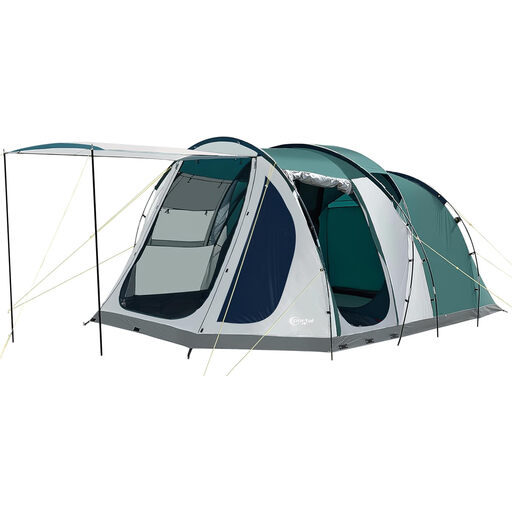
Why This Fits Their Persona: Ideal for families who go car camping. The clear separation between a 7.05 m? sleeping area and a 5.8 m? living area provides real comfort and storage space, so no one is stepping on each other's toes. The standing height of 200 cm significantly enhances living comfort.
It solves the problem of unrealistic capacity ratings by offering a dedicated living space. This keeps the sleeping area free of gear, and the tent doesn't feel cramped even at full occupancy.
A waterproof rating of 3000 mm and a fully sewn-in groundsheet provide reliable protection from rain and ground moisture. The ventilation system, with two doors and additional vents, reduces condensation.

Why This Fits Their Persona: Perfect for the glamping tent experience. With an impressive standing height of 3 metres and a spacious interior, this tipi offers a luxurious sense of space that goes far beyond standard tents. Ideal for festivals or comfortable weekend getaways with friends.
It bypasses the "cramped space" trap with its exceptional height and open floor plan. No one has to stoop, and there's plenty of room for comfortable sleeping arrangements and personal belongings.
The robust 150D Oxford polyester with a waterproof rating of 3,000 mm, sealed seams, and a UV30 treatment ensures durability and weather protection. The steel frame guarantees high stability.

Why This Fits Their Persona: A functional solution for anyone needing weatherproof storage for bikes, garden tools, or a lawnmower. This bike garage is a practical alternative to a permanent shed and protects valuable equipment from rain, wind, and UV radiation.
It solves the often-overlooked problem of gear storage. Instead of leaving bikes unprotected or taking up valuable space in the basement, it provides a dedicated, stable, and weatherproof outdoor storage solution.
The combination of a sturdy aluminium frame and a high-quality PE tarp ensures stability. Integrated vents prevent condensation and mould, extending the lifespan of the stored items.
We have compiled a complete, up-to-date list of products that fully meet these strict selection criteria and relevant safety standards.
1. How important is a tent's waterproof rating, really? The waterproof rating is one of the most critical indicators of a tent's weather resistance. While a rating of 1,500 mm for the flysheet is technically considered waterproof, a value of 3,000 mm or more offers significantly more security in heavy or prolonged rain, which is common in many regions. An even higher rating is recommended for the groundsheet to prevent moisture from seeping up from the ground.
2. What is the difference between a pop-up tent and a regular tent? A pop-up tent features an integrated, flexible frame that allows it to be set up in seconds—often just by tossing it into the air. This makes it ideal for festivals or short trips. Conventional tents require manual assembly of the poles and often offer greater stability in wind, as well as a wider variety of shapes and sizes, such as large tunnel tents for families.
3. How do I properly care for my camping gear to make it last? Proper care is crucial. Never store your tent while it's damp, as this leads to mould and material damage. Let it dry completely after each use. Clean it only with a damp cloth and plain water; harsh detergents can damage the waterproof coating. Regularly check seams, zips, and poles for wear and tear.